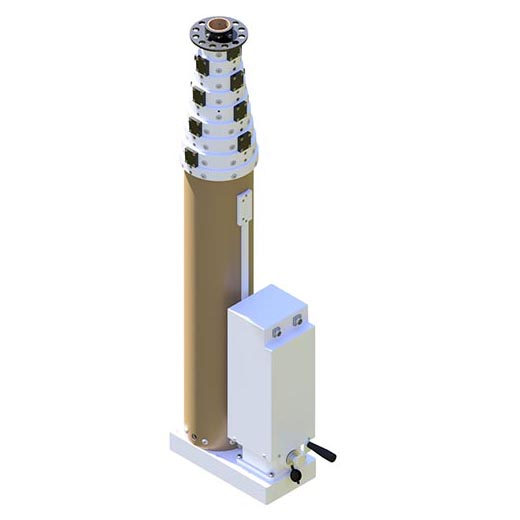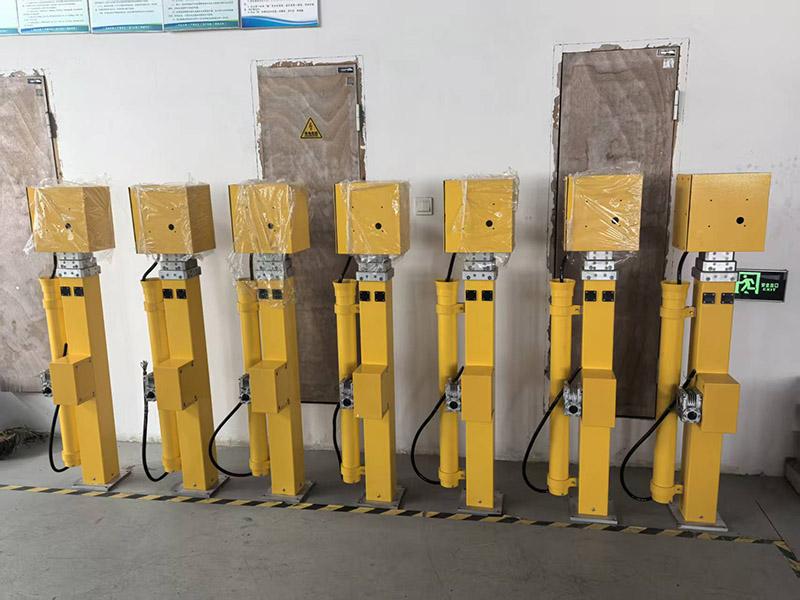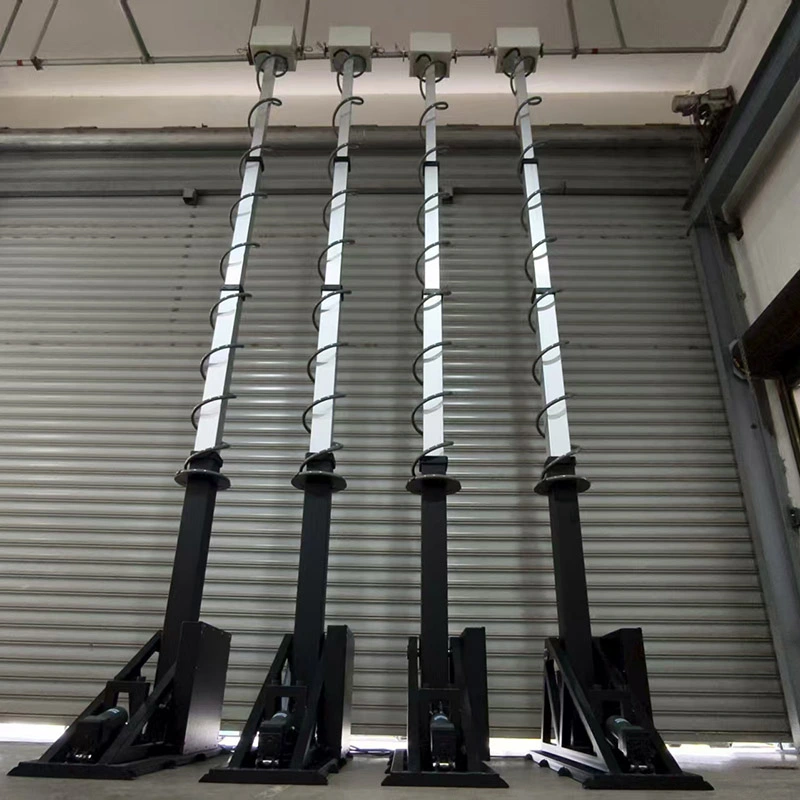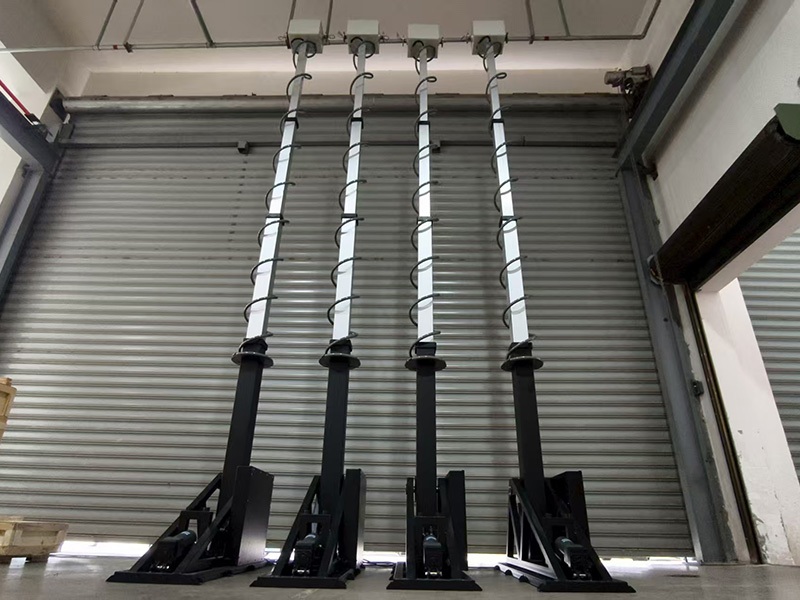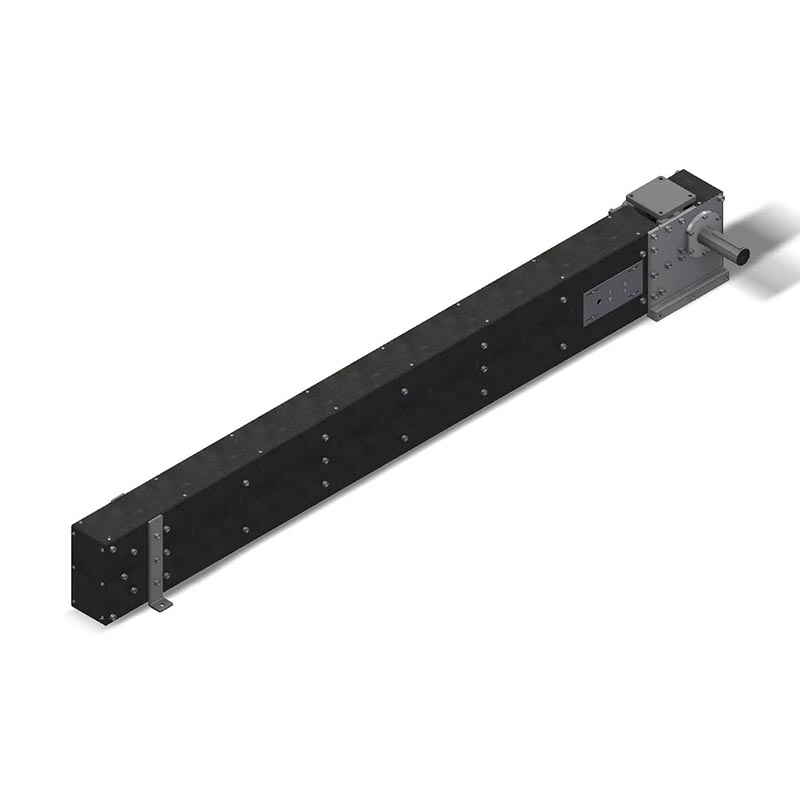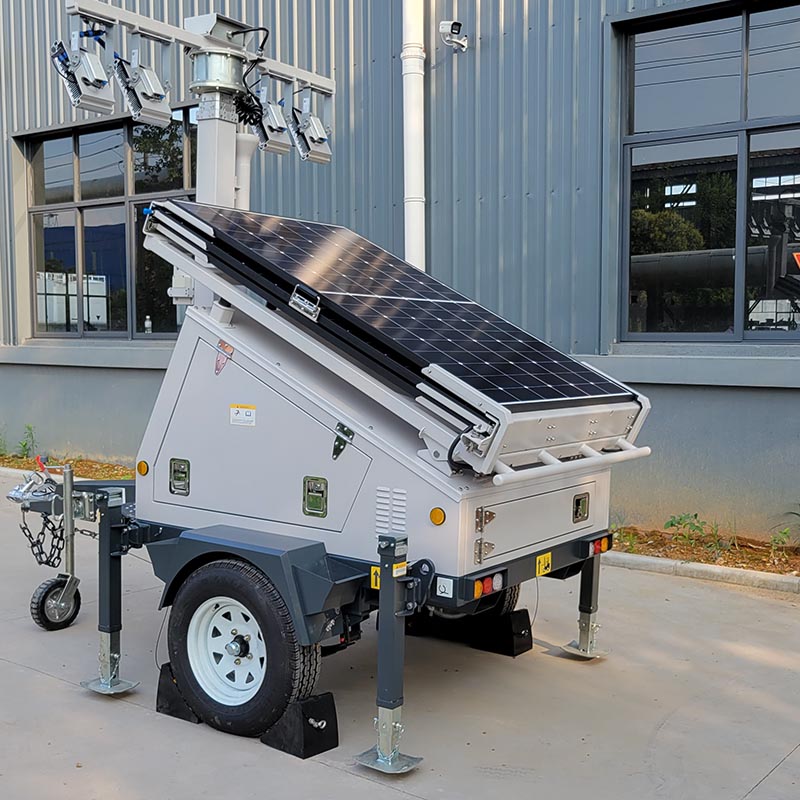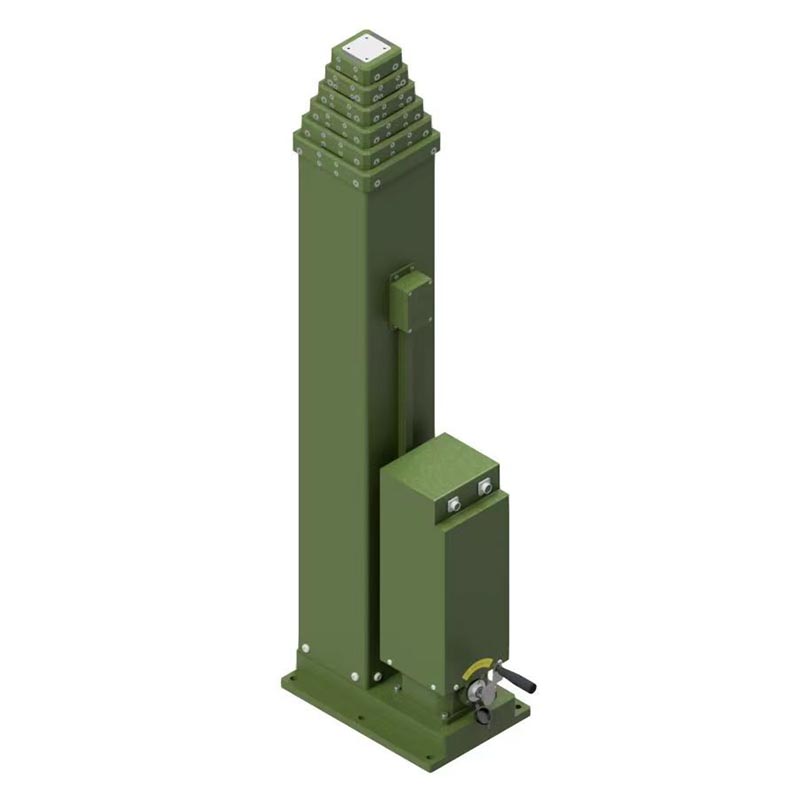

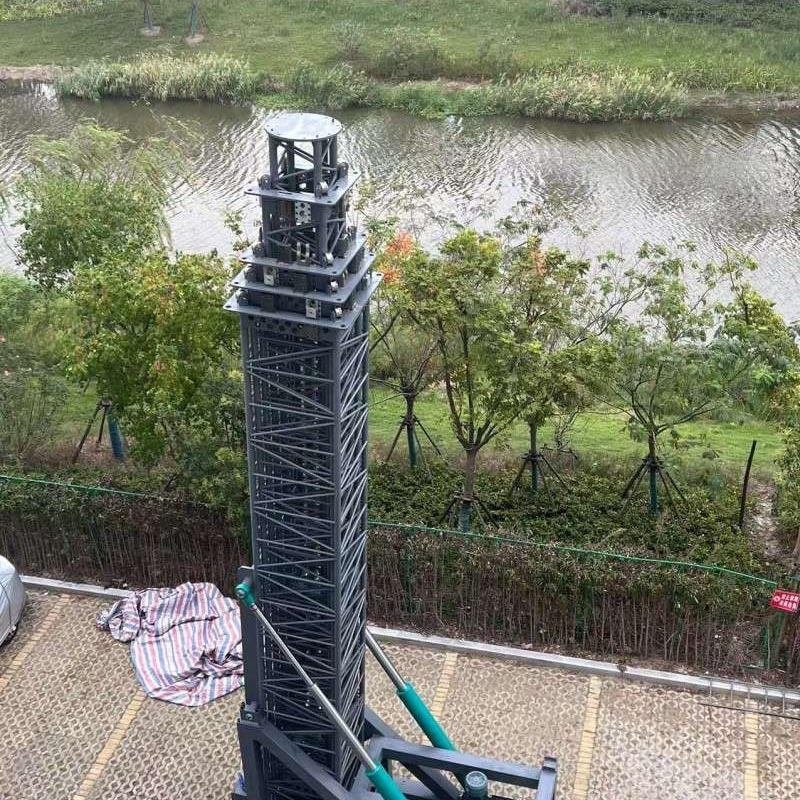
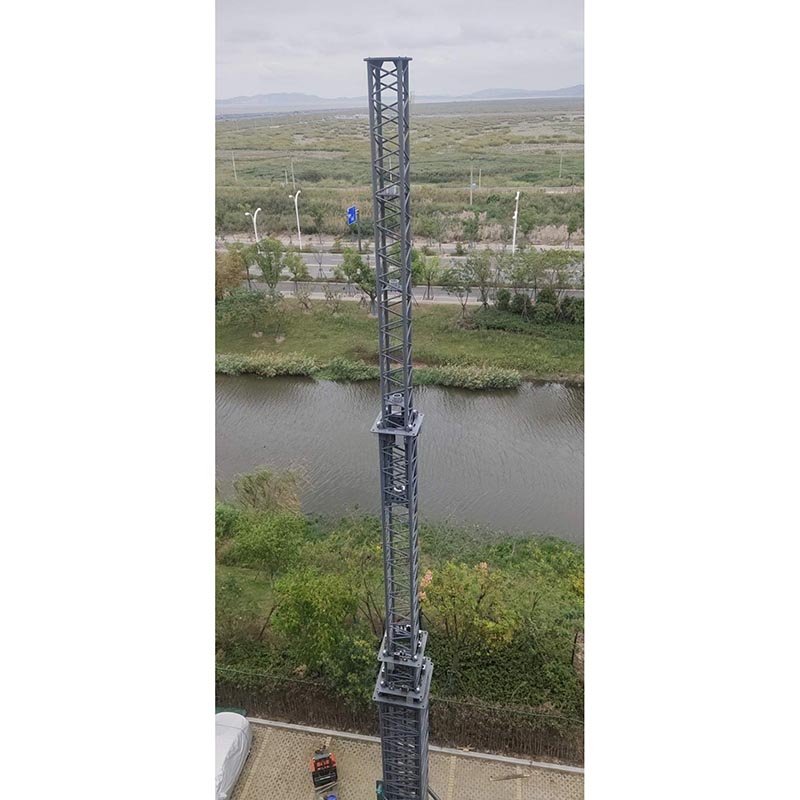
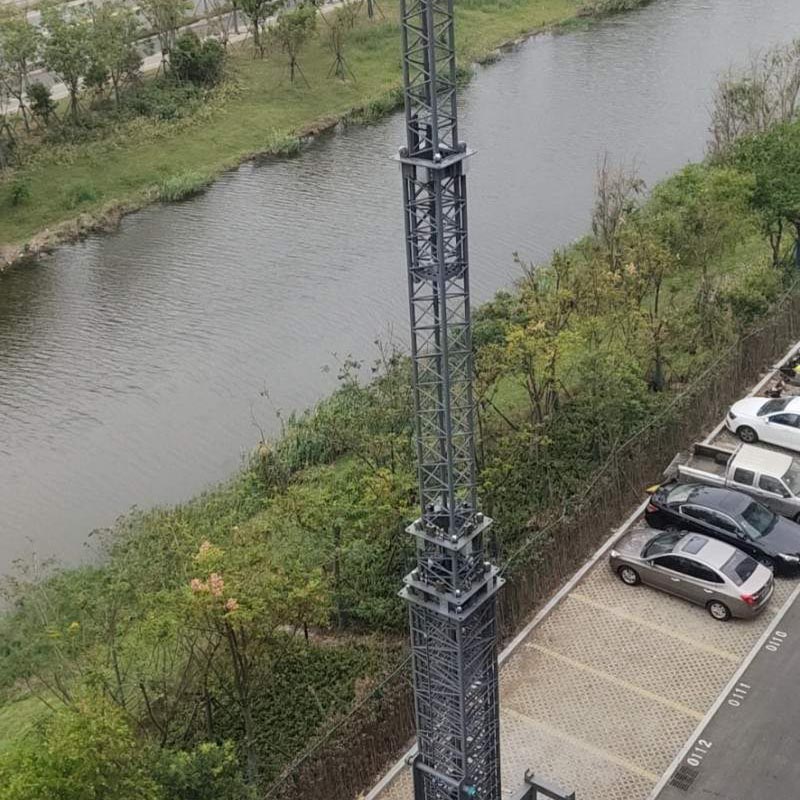
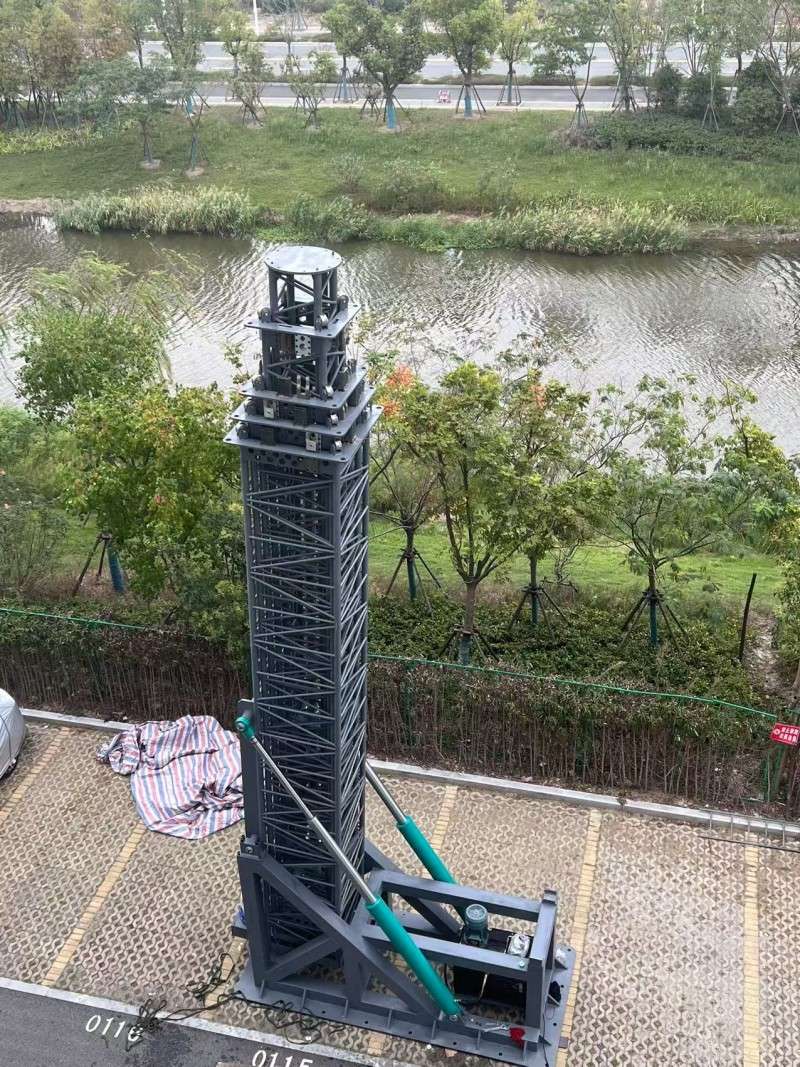
When Homall Factory was manufacturing the 30M Telescopic Lattice tower, it adopted a dual-drive adaptation solution. It could be equipped with screw motor drive or hydraulic drive systems according to the outdoor working environment and load requirements, suitable for the lifting and erection of large-scale high-altitude equipment such as radar arrays, microwave antennas, and cellular communication base stations. It also ensured precise fine-tuning, rapid deployment, and all-weather safety operation capabilities, and was widely applicable in professional scenarios such as field engineering, outdoor communication, and security monitoring.
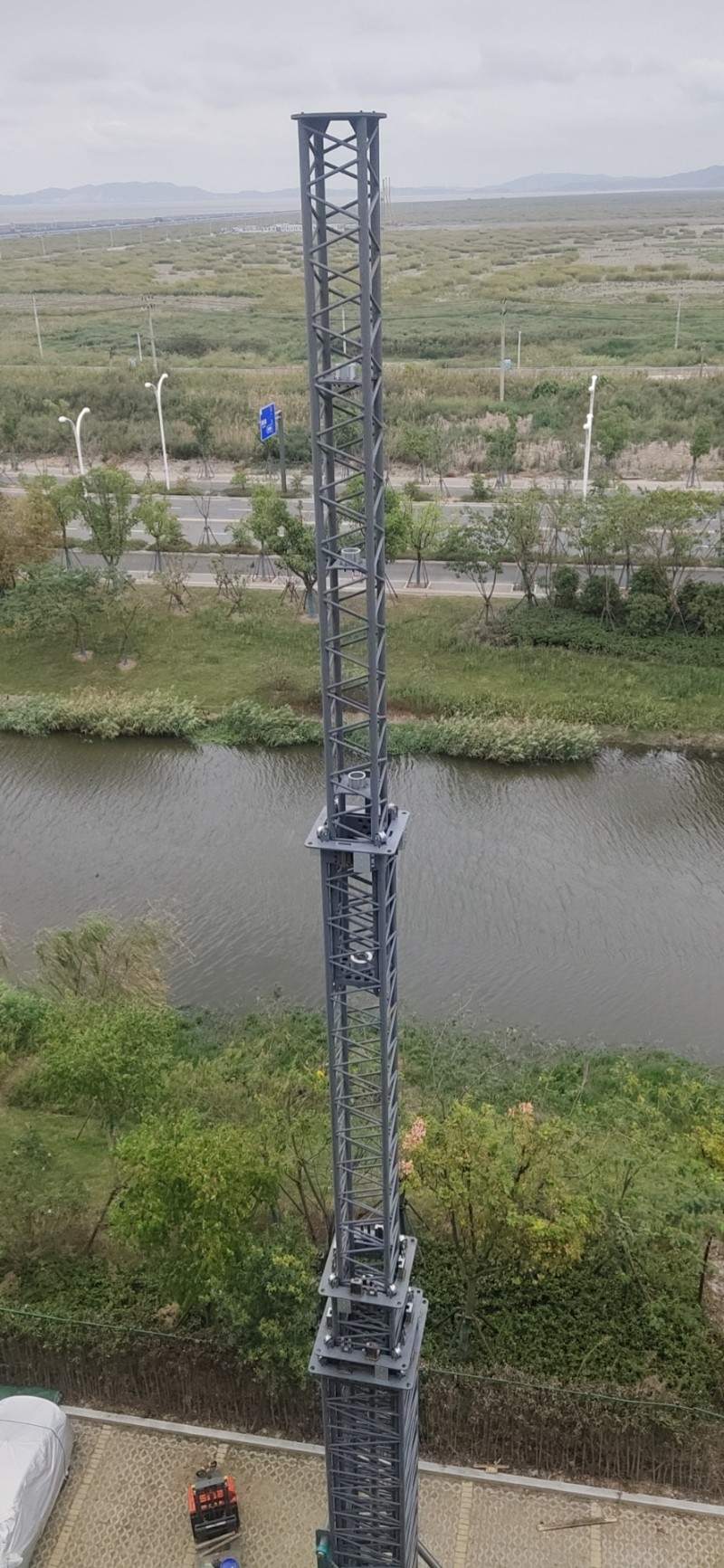
Our 30M Telescopic Lattice tower is suitable for the installation and adjustment of multi-sector cellular network base stations and outdoor microwave antennas. Precise height adjustment can meet the signal coverage requirements, and it can quickly complete the network deployment, suitable for outdoor base stations, temporary communication sites, and emergency communication projects.
Designed specifically for long-distance radar arrays, outdoor monitoring radars, and security scanning radars, the high-strength anti-wind structure can ensure the stable operation of radar equipment in windy weather, without shaking or offset, and guarantee the accuracy of monitoring data, suitable for security, meteorological monitoring, and field exploration scenarios.
It can be equipped with lighting equipment, monitoring equipment, and sensing equipment, used for site security monitoring, outdoor project lighting, and environmental data collection. The telescopic structure can be quickly deployed and quickly retracted, suitable for short-term temporary operation scenarios, with flexibility far exceeding fixed towers.
Suitable for emergency communication and emergency monitoring equipment installation, quick lifting deployment, not restricted by the site, can quickly build high-altitude operation points in complex outdoor environments, ensuring the smooth progress of emergency operations.
Can be permanently fixedly equipped with various heavy-duty high-altitude equipment. With stable structure and wind resistance performance, it is suitable for long-term outdoor deployment in mountainous areas, wilderness, and coastal areas with strong winds.
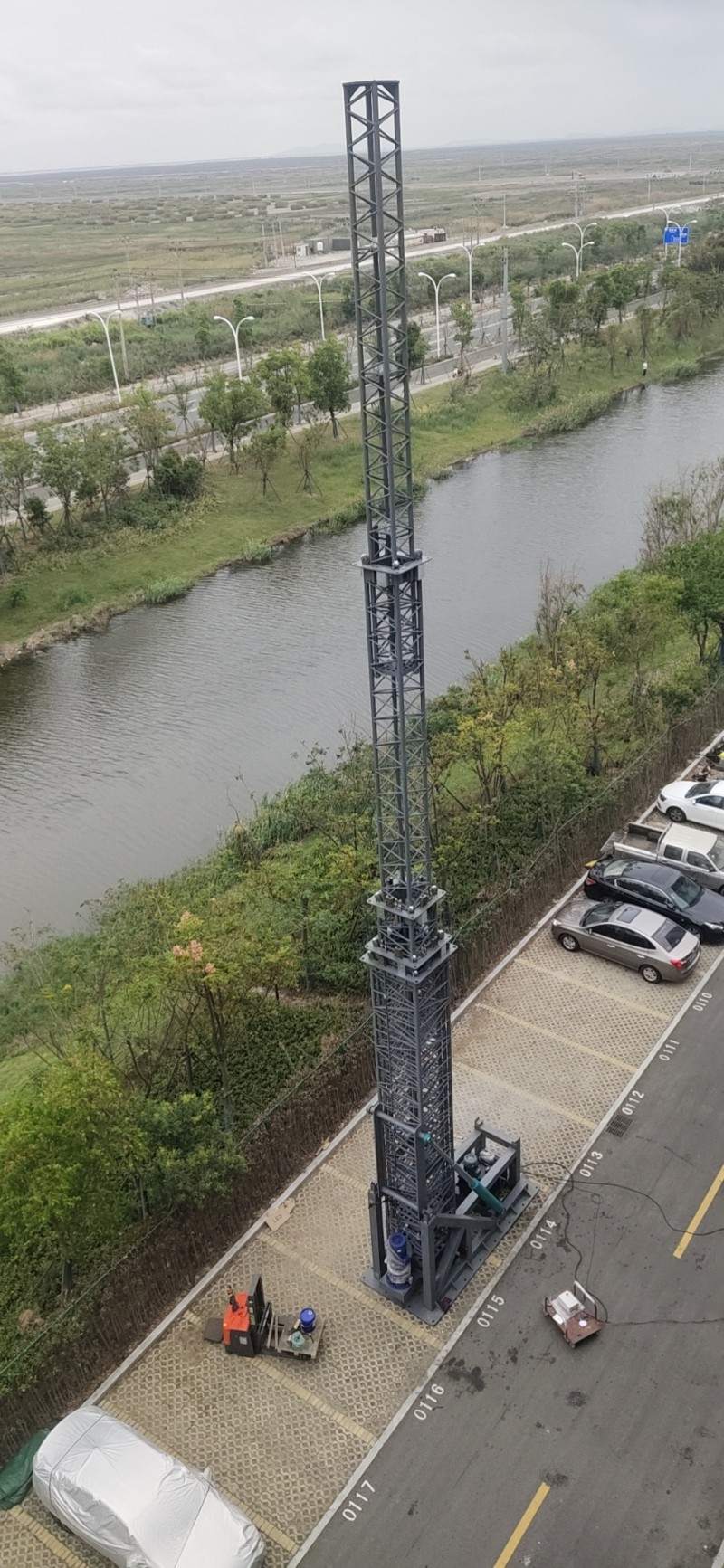
Before operation, it is necessary to confirm that the ground is flat and solid. On soft ground, foundation reinforcement should be carried out to prevent tilting or subsidence during lifting or static placement, which may affect the stability of the equipment.
According to the weight of the carried equipment and the working environment, the driving mode should be reasonably selected. Light and high-precision equipment should preferentially use screw drive, while heavy equipment and scenarios requiring rapid deployment should use hydraulic drive. Overloading operation is strictly prohibited.
In extreme weather conditions such as strong winds, it is recommended to retract the tower body to a safe height to reduce the wind area and avoid long-term static placement at high altitudes to prevent damage to the equipment's lifespan.
Regularly inspect the truss nodes, transmission screws, hydraulic cylinders and locking components, promptly clean dust, rust and other debris, add special lubricating oil, and avoid jamming and lock failure.
The hydraulic system should be regularly checked for the hydraulic oil level and quality to prevent oil leakage and pressure loss; the screw drive system should avoid being hit by hard objects to prevent the screw from deforming and affecting the lifting accuracy.
During storage and telescopic operations, no one is allowed to stand around or pile up debris to avoid collision and crush accidents during the lifting process. Strictly follow the single-person operation and dedicated supervision regulations.
When the equipment is idle for a long time, it is necessary to fully retract and position the tower body in a dry and ventilated environment, take measures to prevent rust and dust, and conduct regular trial runs to test the equipment's condition.
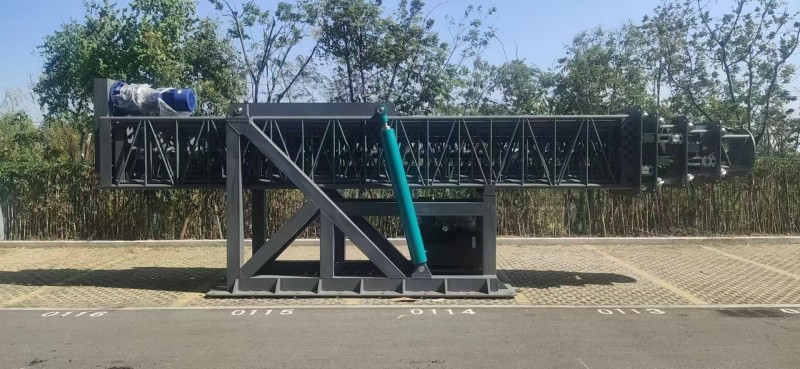
The open-lattice truss engineering drastically reduces the tower's effective surface area. This ensures that even when fully extended to 30 meters, the platform maintains pinpoint directional accuracy for sensitive alignment equipment in crosswinds exceeding 120 km/h.
The triangular lattice structure naturally resolves lateral, torsional, and axial forces directly into the vehicle or trailer chassis. This minimizes twisting, making it the premier choice for directional point-to-point microwave alignments and PTZ thermal tracking arrays.
Address
Room B, 16/F, Euro Trade Centre, 9 Chiu Lung Street, Central, Hong Kong
Tel