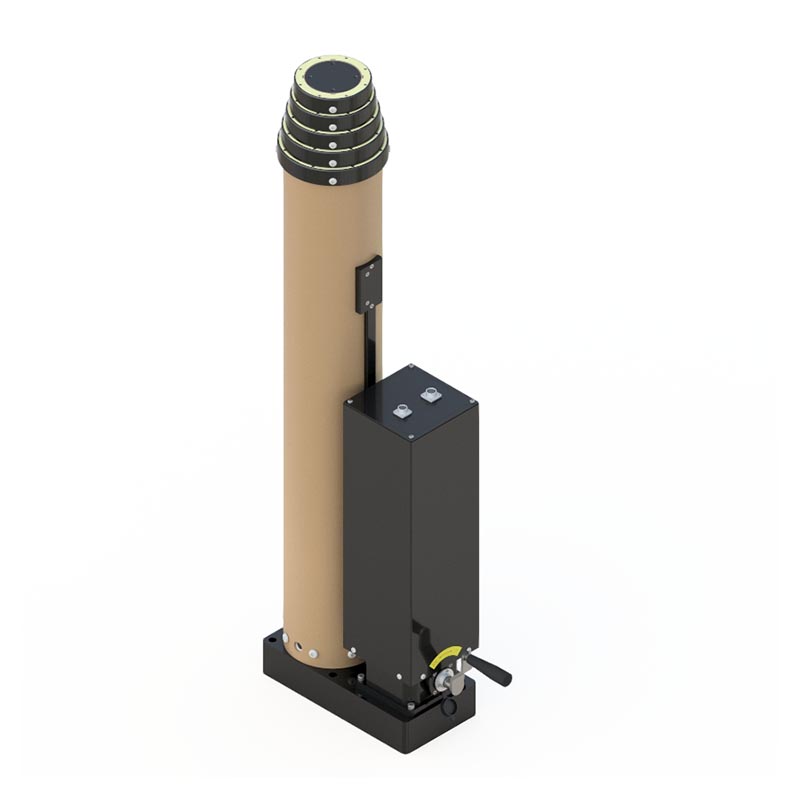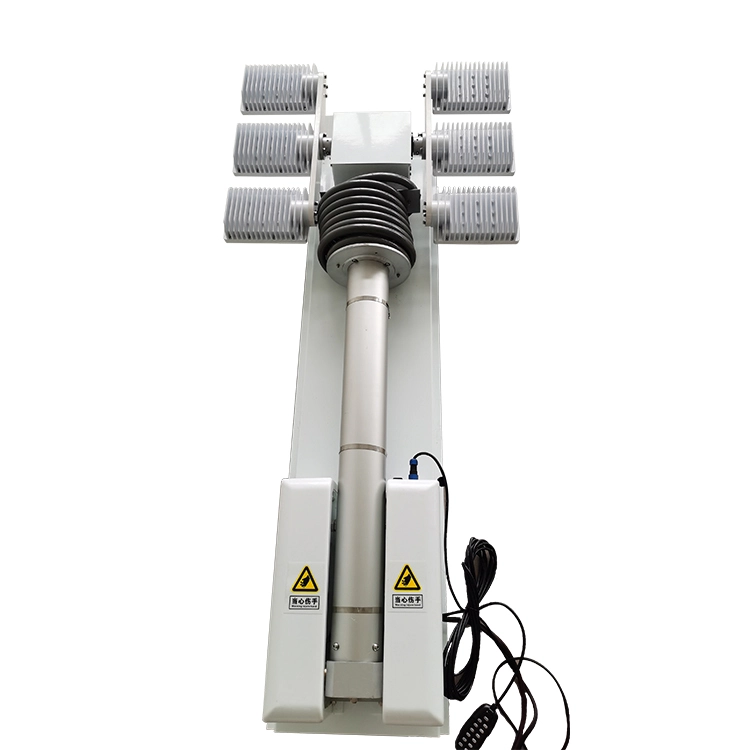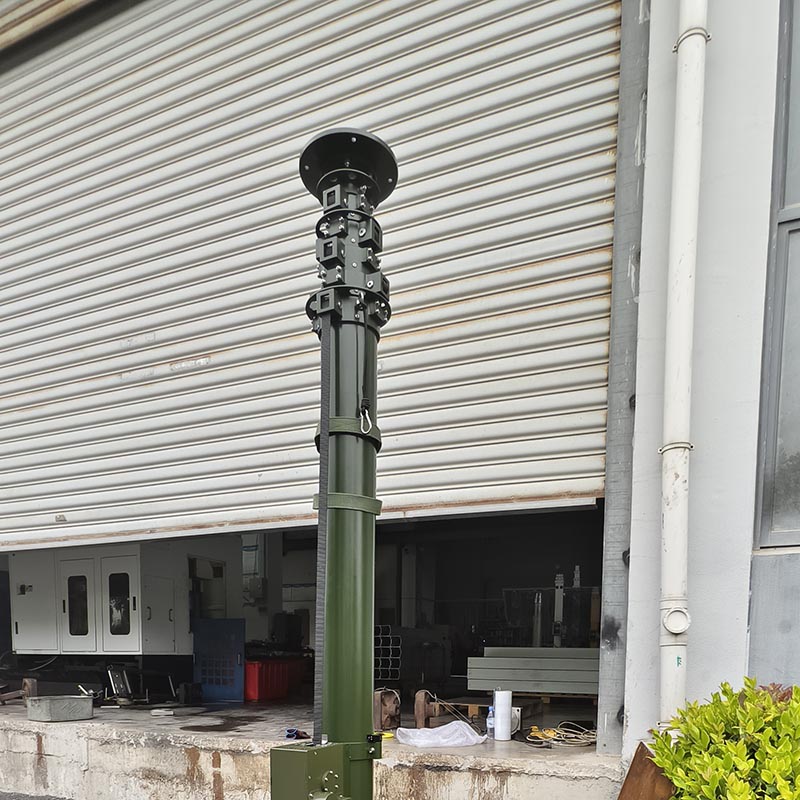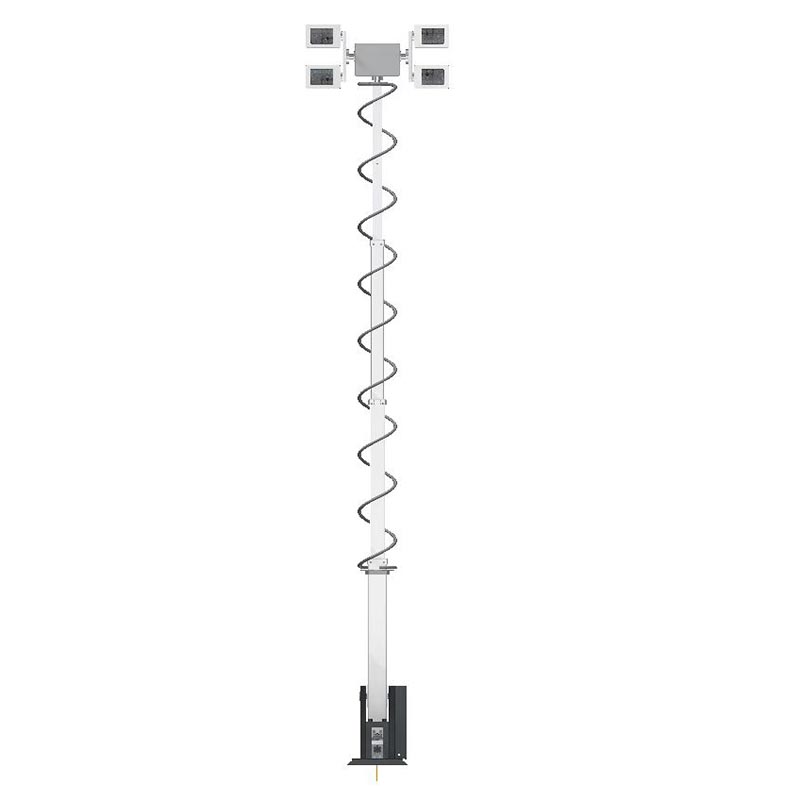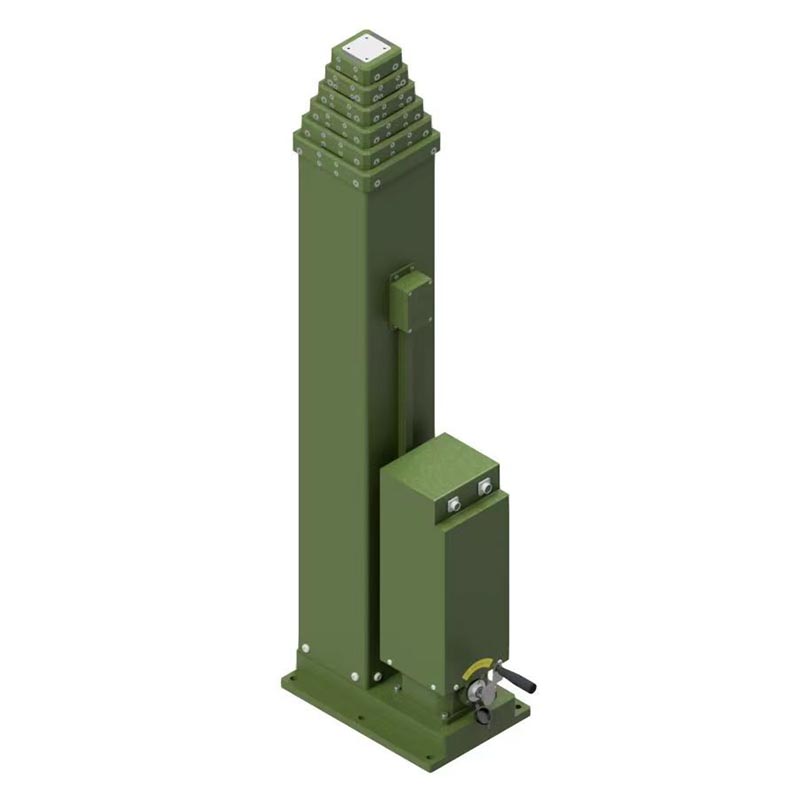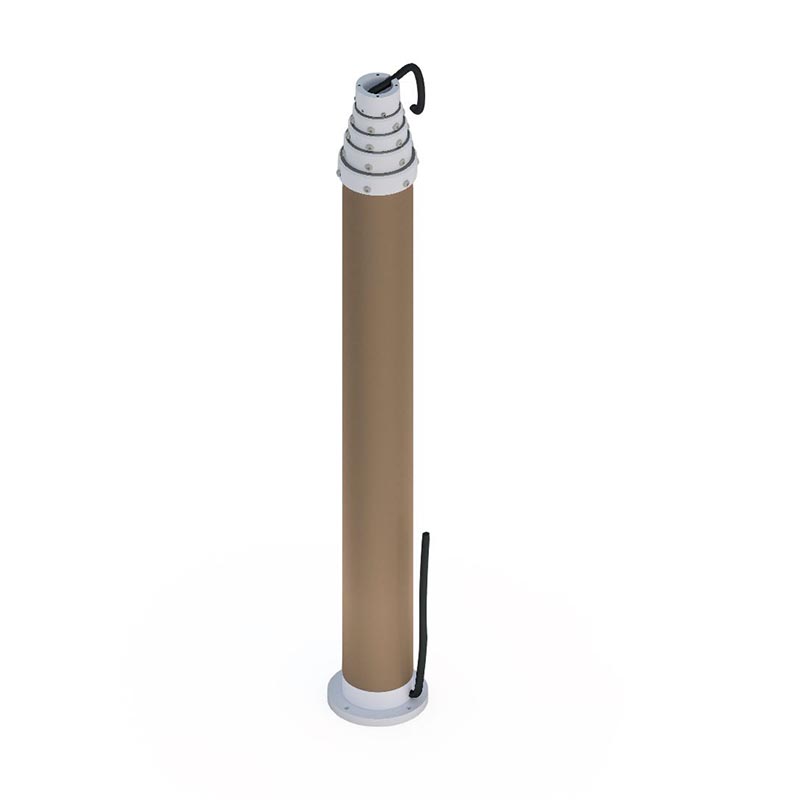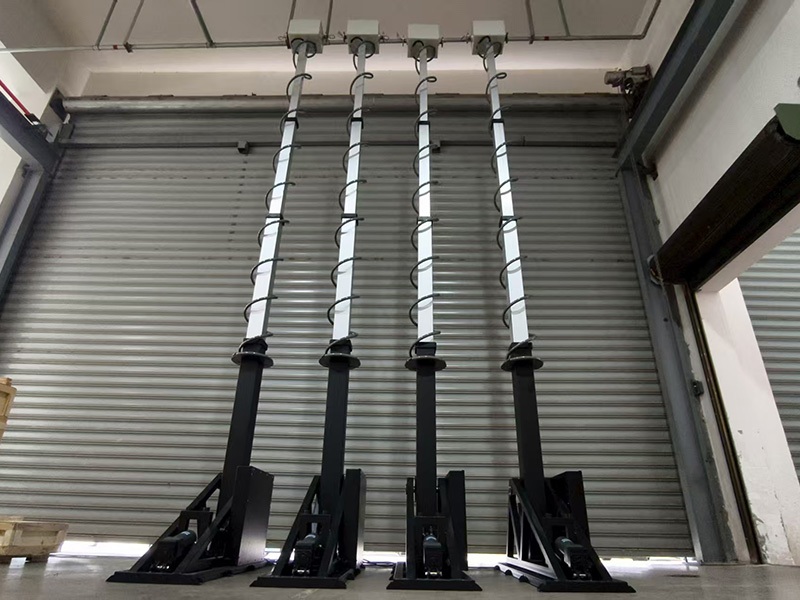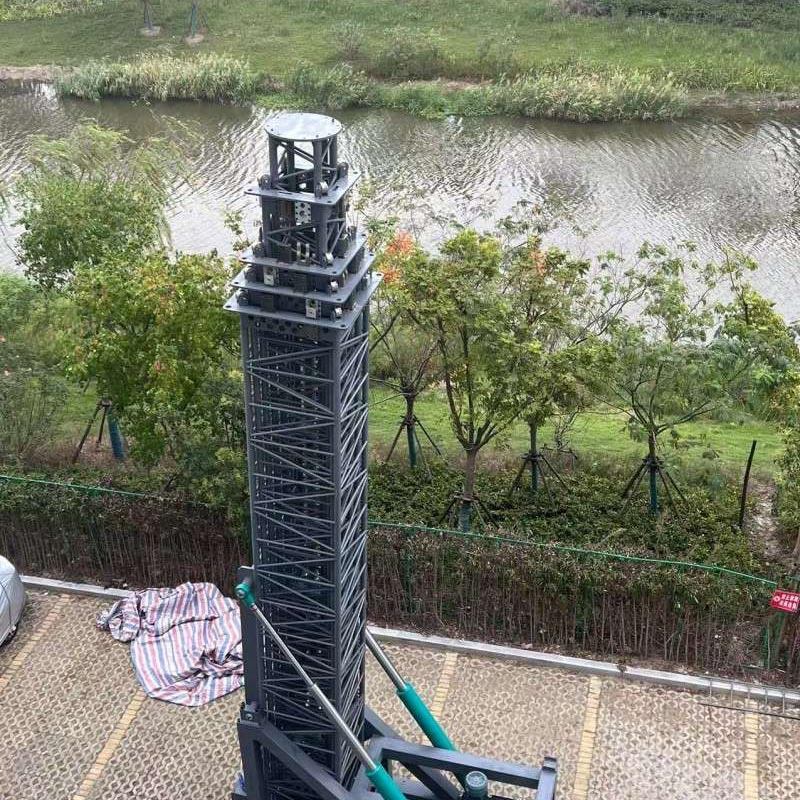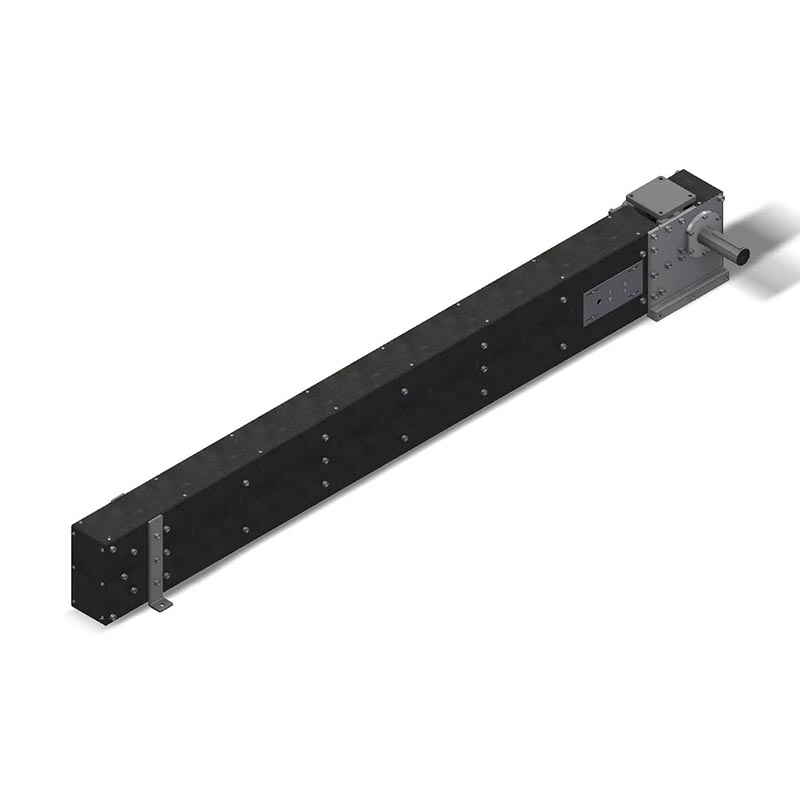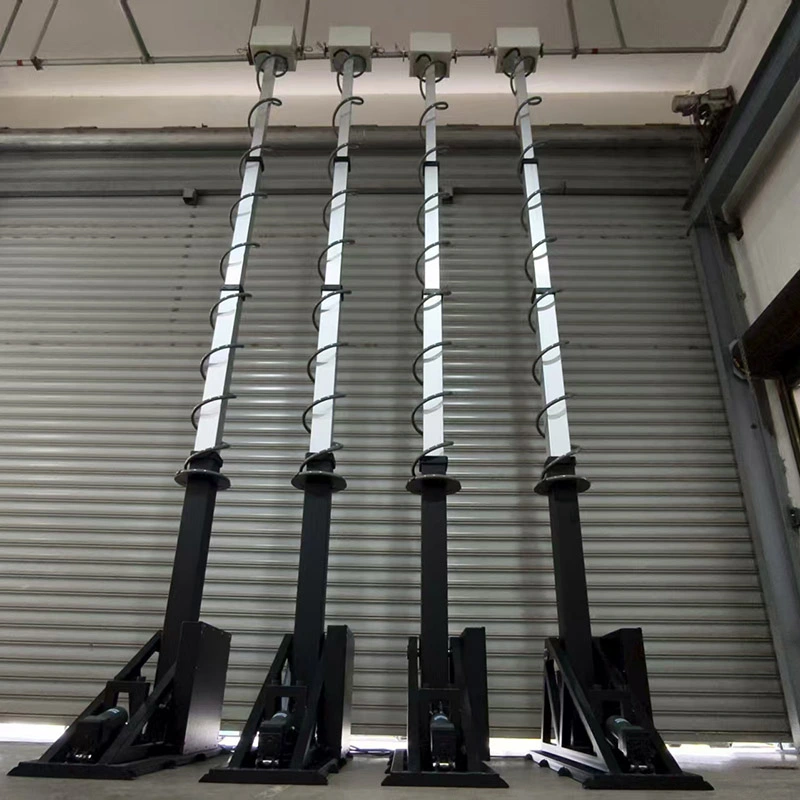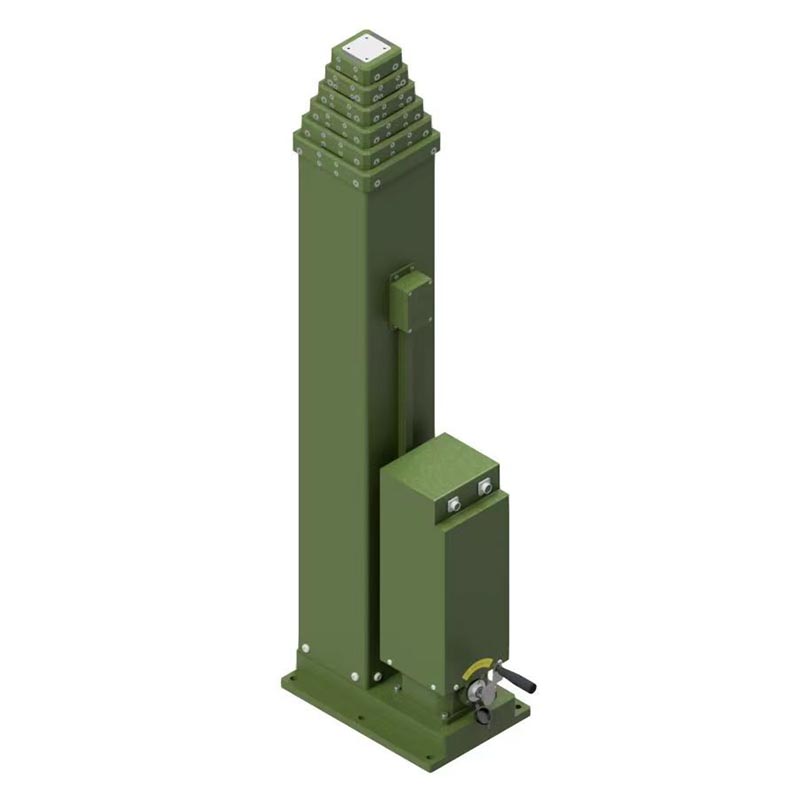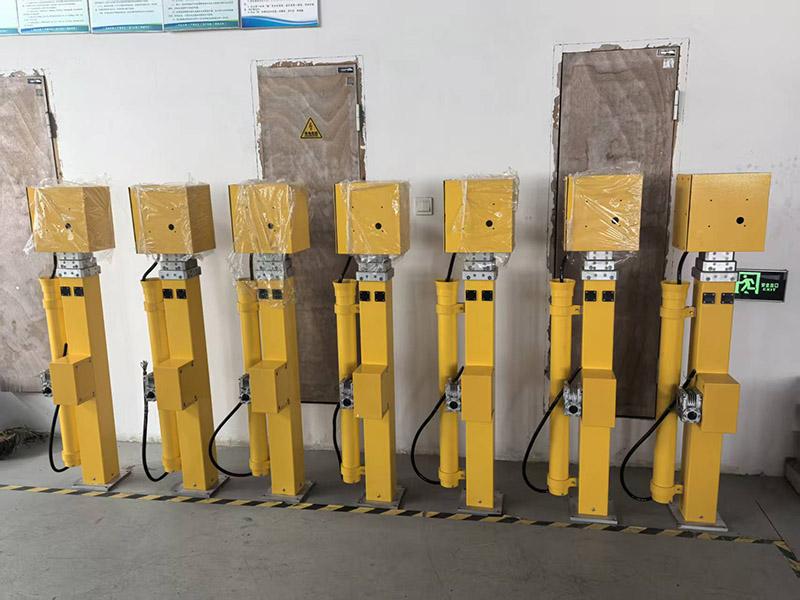

A Foldable Electric Mast provides a practical way to elevate cameras, antennas, lights, sensors, communication equipment, and other payloads while keeping transportation and storage requirements low. By combining powered deployment with a compact folding structure, it helps users reduce setup effort, improve operational flexibility, and adapt equipment to temporary or mobile environments. This guide explains how foldable electric masts work, where they are used, which specifications matter, and how to select a configuration that matches real operating conditions.
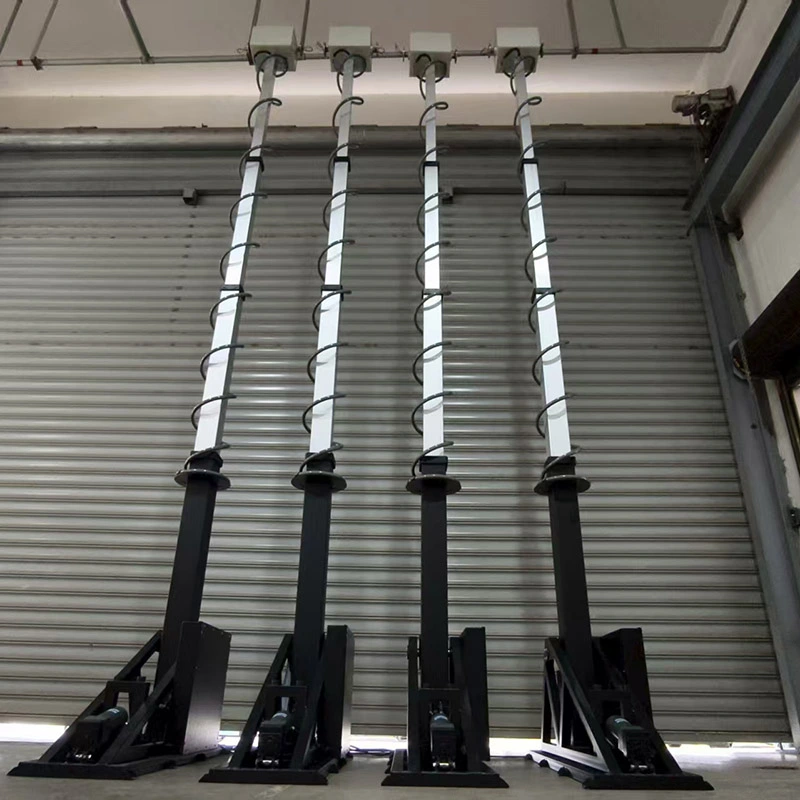
Many mobile systems need to place equipment higher than the vehicle, trailer, temporary structure, or working platform that carries it. Cameras need a wider field of view. Wireless antennas need additional height to reduce obstructions. Lighting equipment needs elevation to illuminate a larger area. Sensors can also perform more effectively when positioned above surrounding objects.
The challenge is that a conventional tower or permanent pole is not always practical. Mobile projects may require frequent transportation, rapid deployment, limited storage space, or installation in locations where permanent construction is not appropriate.
A telescopic mast addresses part of this problem by allowing a long working height to be achieved from a relatively compact structure. Electric operation adds another layer of convenience because the mast can be raised and lowered using a powered mechanism rather than relying entirely on manual lifting.
For mobile applications, the ability to combine elevation, compact storage, and powered operation can make a substantial difference in deployment efficiency. Existing commercial mast systems demonstrate that electric telescopic structures can support applications including communications, surveillance, lighting, and other elevated payloads. :contentReference[oaicite:0]{index=0}
A Foldable Electric Mast is a deployable support structure designed to raise equipment to an elevated position while allowing the system to be folded, lowered, or compacted for transportation and storage.
The system normally combines several major elements:
Commercial electric mast systems illustrate how different combinations of extended height, retracted height, section count, payload capacity, voltage, and mast weight can be configured for specific applications. :contentReference[oaicite:1]{index=1}
The operating process is relatively straightforward, although the internal mechanical design can vary considerably between products.
Some electromechanical designs use screw-driven mechanisms, while other mast architectures use cables, winches, hydraulic systems, or pneumatic systems. The appropriate mechanism depends on payload, height, speed, available power, environmental conditions, and installation constraints. :contentReference[oaicite:2]{index=2}
One of the biggest challenges with elevated equipment is transportation. A structure designed to operate several meters above ground can become inconvenient if its transportation height is equally large. A foldable or telescopic configuration reduces the required storage envelope.
For example, published commercial mast specifications show that some systems can reach working heights several times greater than their retracted dimensions. :contentReference[oaicite:3]{index=3}
Electric deployment minimizes the physical effort required to raise heavy or tall equipment. This can be particularly useful when the system is operated by a small team or when repeated deployment is required during a working day.
Mobile operations often depend on how quickly equipment can become operational. An electrically driven mast can provide repeatable raising and lowering without requiring the operator to manually assemble multiple sections.
The same basic mast concept can support different payloads, including surveillance cameras, communication antennas, lighting equipment, sensors, weather instruments, and other devices. Telescopic mast applications documented by industry suppliers cover communications, emergency services, surveillance, lighting, construction, agriculture, broadcasting, and events. :contentReference[oaicite:4]{index=4}
Mobile command vehicles, temporary workstations, trailers, and specialized vehicles often have strict space limitations. A compact mast can provide elevation without permanently occupying a large footprint.
| Application | Typical Payload | Primary Requirement |
|---|---|---|
| Security & Surveillance | PTZ cameras, thermal cameras, sensors | Elevated viewing position and stability |
| Mobile Communications | Antennas, wireless communication devices | Additional elevation and reliable deployment |
| Emergency Response | Lighting, cameras, communication equipment | Rapid setup and mobility |
| Construction | Lighting and monitoring equipment | Temporary elevated support |
| Events | Lighting, cameras, wireless equipment | Easy transportation and setup |
| Industrial Monitoring | Sensors, cameras, measuring equipment | Stable positioning and repeatable operation |
| Weather Monitoring | Weather stations and environmental sensors | Elevated sensor positioning |
The practical value of elevation depends heavily on the payload. A camera can gain a broader observation area, an antenna can improve line-of-sight conditions, and a lighting fixture can illuminate a larger area when positioned at an appropriate height. Industry applications include mobile communications, surveillance, emergency services, construction, entertainment, and agricultural monitoring. :contentReference[oaicite:5]{index=5}
Choosing a Foldable Electric Mast should begin with the application rather than simply the maximum height. A tall mast is not automatically suitable for every project.
Determine the actual height required for the payload. Consider surrounding buildings, trees, vehicles, terrain, communication requirements, camera viewing angles, and lighting coverage.
The payload includes more than the visible equipment. Camera housings, brackets, cables, connectors, adapters, and other accessories can contribute to the total load.
Published commercial products demonstrate that payload capacity can decrease as extended height increases, making it important to select the mast based on both parameters rather than height alone. :contentReference[oaicite:6]{index=6}
Measure the available transportation and storage space. A mast that reaches the required height but cannot fit into the intended vehicle or enclosure may not be practical.
Check whether the application uses 12 VDC, 24 VDC, 48 VDC, AC power, or another source. Mobile systems frequently use vehicle-based electrical supplies, so voltage compatibility is important.
Outdoor systems may experience rain, dust, salt spray, temperature changes, ice, vibration, and strong wind. Material selection, surface treatment, sealing, structural design, and electrical protection should therefore match the operating environment.
Wind affects both the mast and its payload. A camera, antenna, or large lighting fixture can significantly change the effective wind area. Wind resistance should therefore be evaluated together with payload size and mounting position.
A mast used once a month has different requirements from one deployed dozens of times each week. Frequent operation makes motor durability, mechanical wear, control reliability, and maintenance accessibility increasingly important.
| Feature | Foldable Electric Mast | Conventional Fixed Mast |
|---|---|---|
| Mobility | Highly suitable for mobile platforms | Usually designed for permanent locations |
| Transportation | Compact when folded or retracted | More difficult to transport |
| Deployment | Powered deployment | Usually requires installation equipment |
| Temporary Applications | Well suited | Less flexible |
| Installation | Can be integrated into mobile equipment | Often requires permanent foundations or structures |
| Storage | Compact configuration available | Requires dedicated space |
This difference explains why deployable mast designs are frequently used where equipment needs to move between locations. Mobile mast systems are specifically developed for vehicle, trailer, field, and temporary installations. :contentReference[oaicite:7]{index=7}
Installation should start with a complete assessment of the mounting environment.
For vehicle-mounted systems, the vehicle structure and mast should be considered as one integrated system. A suitable mast may still require additional reinforcement, stabilization, or load-distribution measures depending on the platform.
Regular inspection helps prevent small mechanical or electrical issues from becoming operational failures.
Environmental protection is particularly important for outdoor equipment. Some commercial electric mast designs use anodized aluminum, sealing systems, corrosion-resistant hardware, or other protective treatments for demanding environments. :contentReference[oaicite:8]{index=8}
Different industries have very different requirements, so a standardized mast may not always provide the ideal solution. Customization can involve mechanical dimensions, electrical systems, mounting interfaces, materials, control methods, and environmental protection.
Existing industrial mast manufacturers demonstrate that custom solutions can be developed around specific height, payload, voltage, mounting, and environmental requirements rather than forcing every application into one standard configuration. :contentReference[oaicite:9]{index=9}
Common payloads include surveillance cameras, communication antennas, LED lighting, sensors, weather-monitoring equipment, wireless devices, and other relatively lightweight elevated equipment. The permissible payload depends on the mast's structural design, height, wind conditions, and mounting arrangement.
There is no single standard height. Commercial electric mast products are available across a broad range, with examples extending from several meters to around 15 meters and beyond depending on the design. :contentReference[oaicite:10]{index=10}
Yes. Vehicle and trailer mounting are common configurations for mobile mast systems. The vehicle structure, mast base, payload, center of gravity, and stabilization requirements should all be evaluated during system design. :contentReference[oaicite:11]{index=11}
Not necessarily. Increasing height can affect payload capacity, wind loading, mast weight, transportation dimensions, deployment time, and structural requirements. The correct height should be determined by the application's actual line-of-sight, coverage, lighting, or sensing requirements.
The required power depends on the motor and control system. Some commercial systems use 24 VDC, while other configurations can be designed around different electrical supplies. :contentReference[oaicite:12]{index=12}
Some electric mast designs incorporate manual override functionality, but this is not universal. If emergency manual operation is important, it should be specified as a design requirement before purchase.
Consider the total mass of the equipment, mounting brackets, cables, adapters, and accessories. Wind area and the location of the payload also matter because a large or offset load can create additional bending and torsional forces.
Aluminum alloys are commonly selected when low weight and corrosion resistance are important. Steel can be suitable where additional structural strength is required, while composite materials can provide a combination of low weight and rigidity for specialized systems.
A Foldable Electric Mast solves a practical problem: how to achieve useful elevation without sacrificing mobility. By combining a compact folded configuration with powered deployment, it can support cameras, antennas, lighting systems, sensors, and other equipment in situations where permanent towers are inconvenient or unsuitable.
The most important selection factors are not simply maximum height. Payload, retracted dimensions, power supply, wind conditions, mounting method, deployment frequency, environmental exposure, and maintenance requirements all influence whether a mast will perform effectively in its intended application.
For businesses developing mobile surveillance systems, communication platforms, emergency equipment, temporary lighting systems, industrial monitoring solutions, or specialized vehicle equipment, working with an experienced manufacturer can help align the mast structure with the complete application.
Homall Industry Limited can provide application-oriented support for customers looking for practical elevated equipment solutions. If you are planning a new mobile platform or need a Foldable Electric Mast adapted to your required height, payload, mounting structure, or operating environment, contact us to discuss your requirements and develop a suitable configuration.