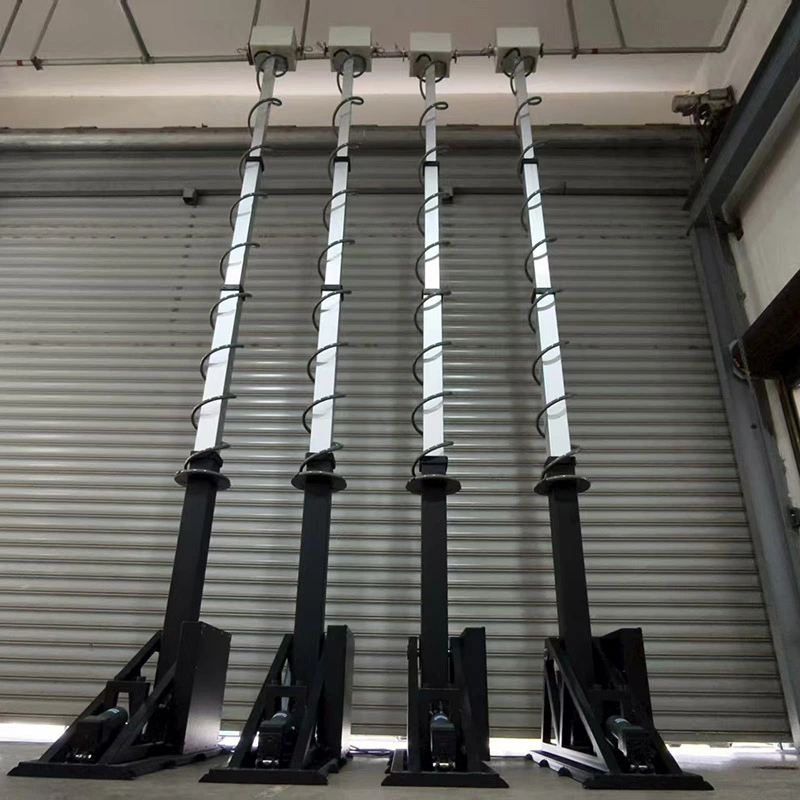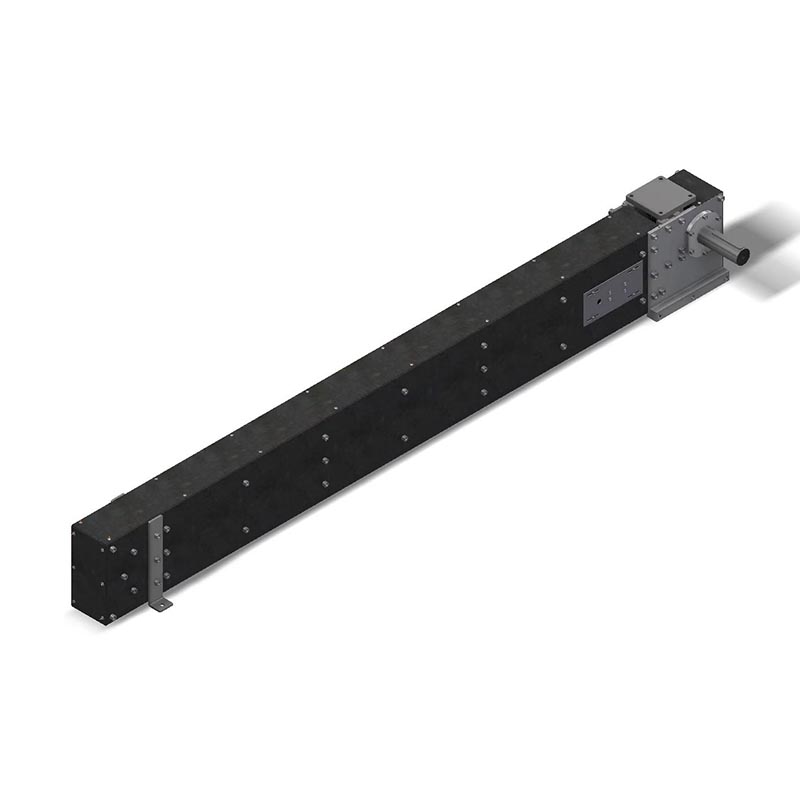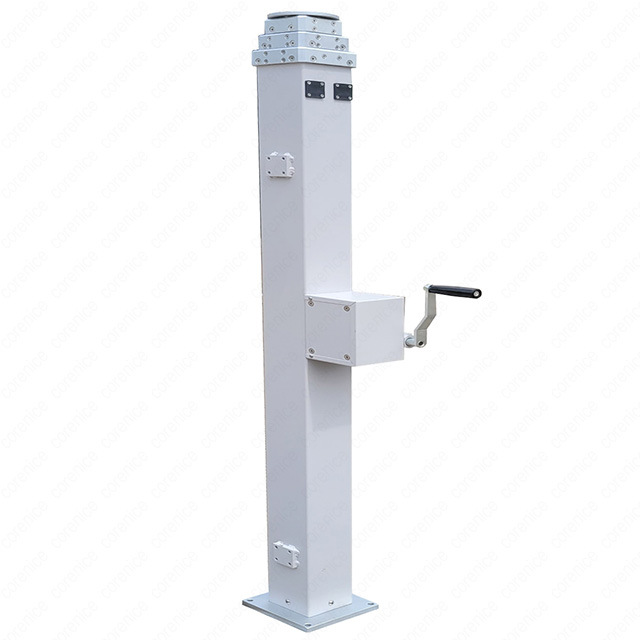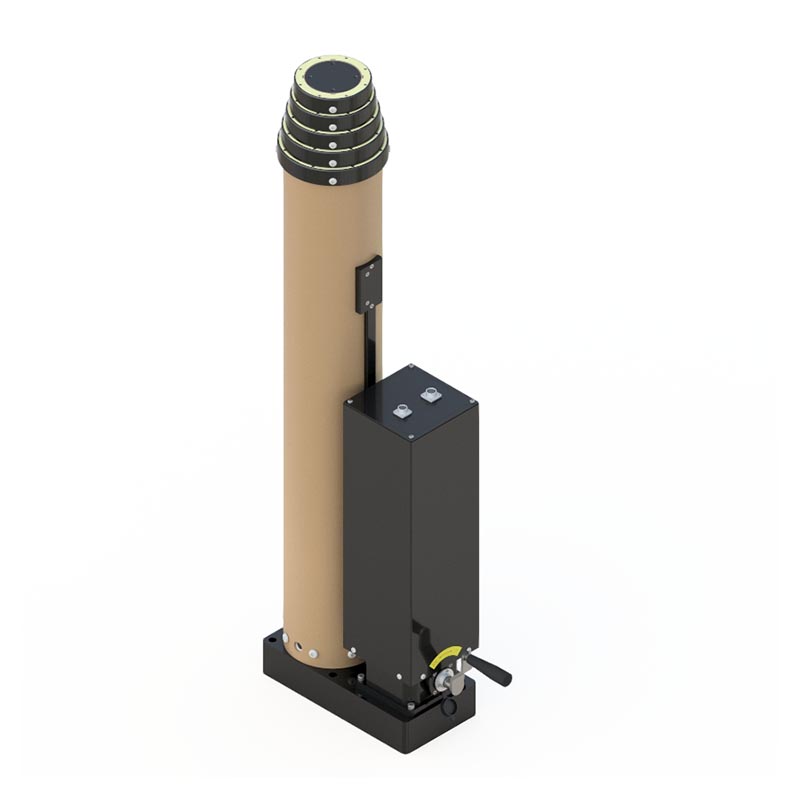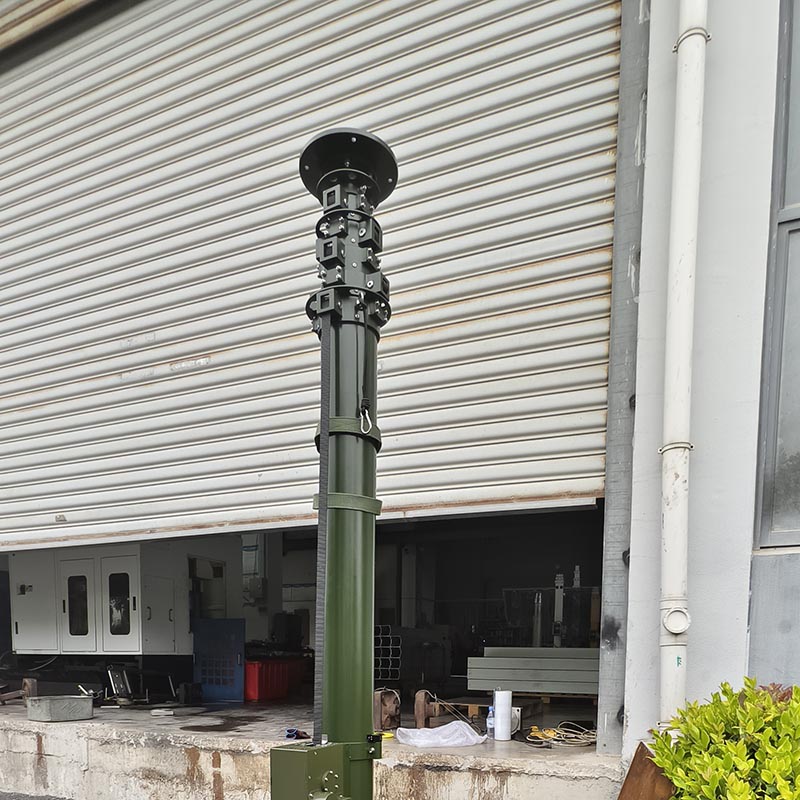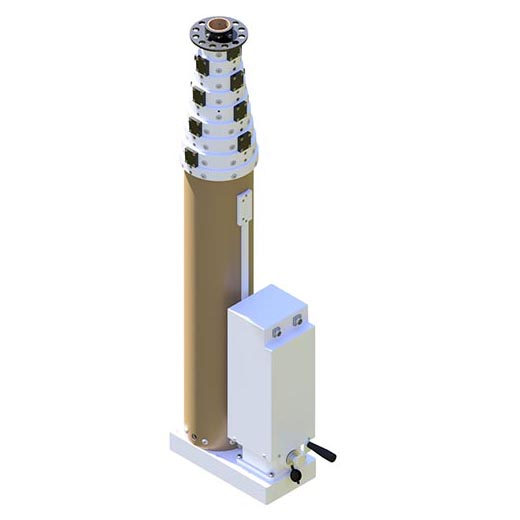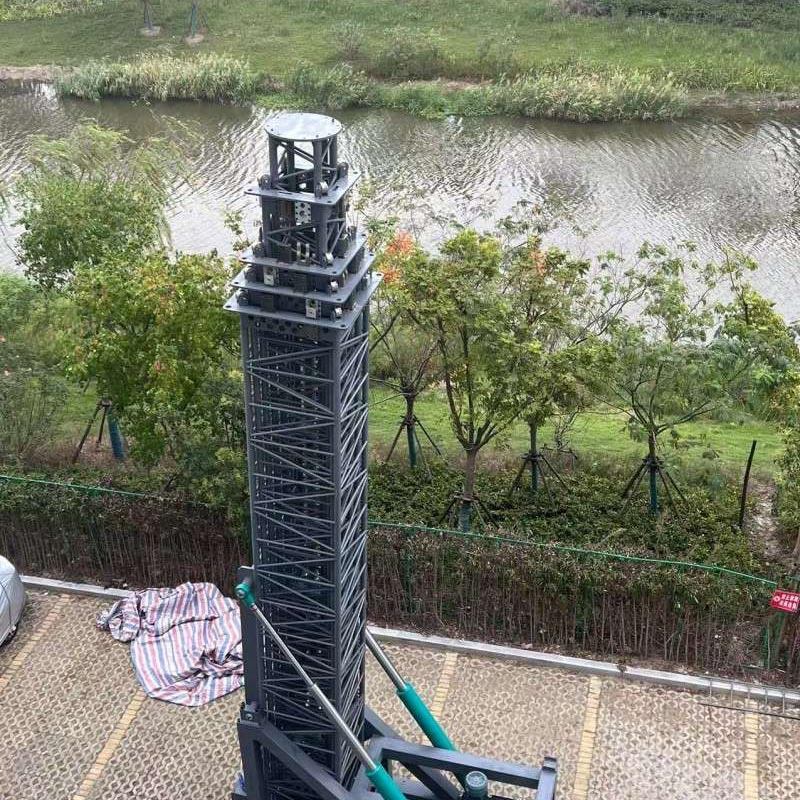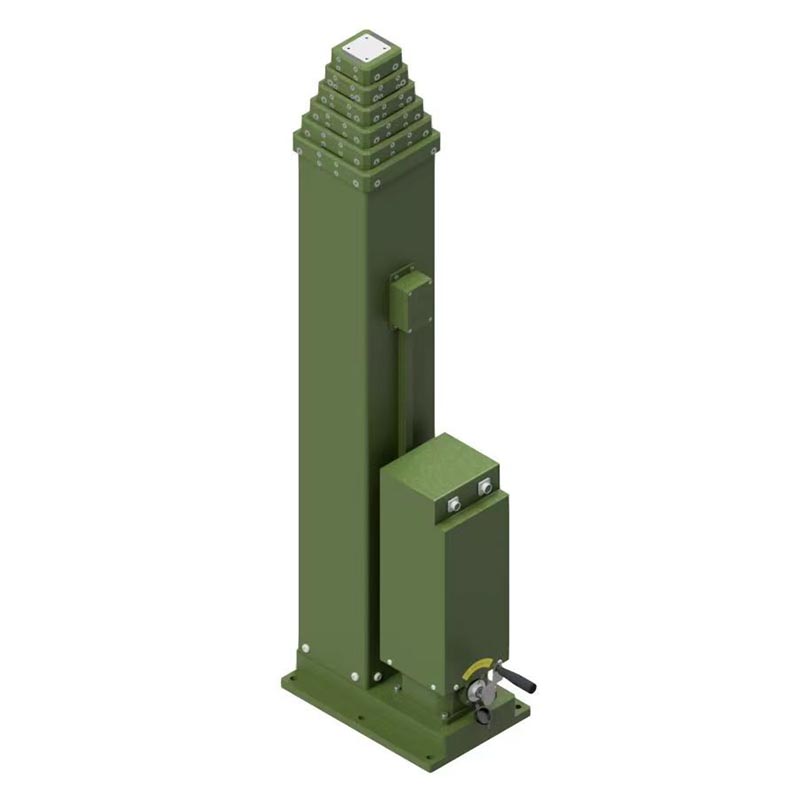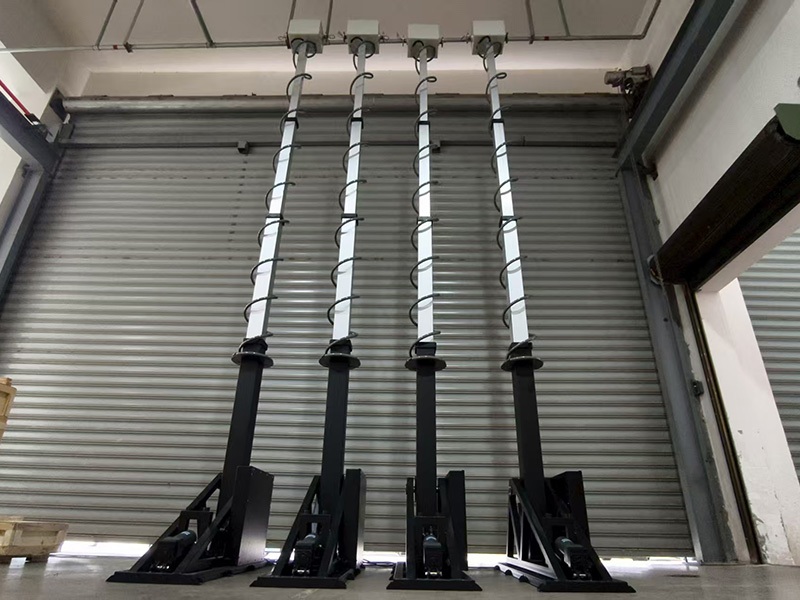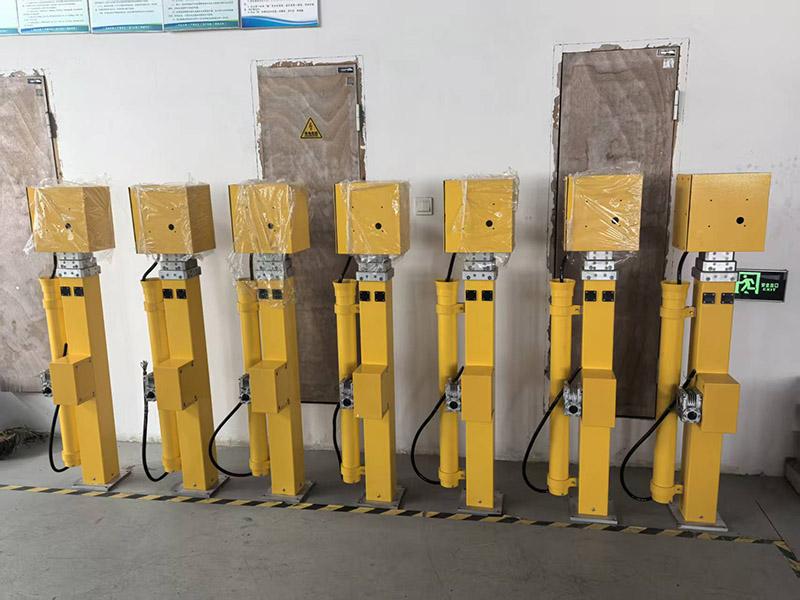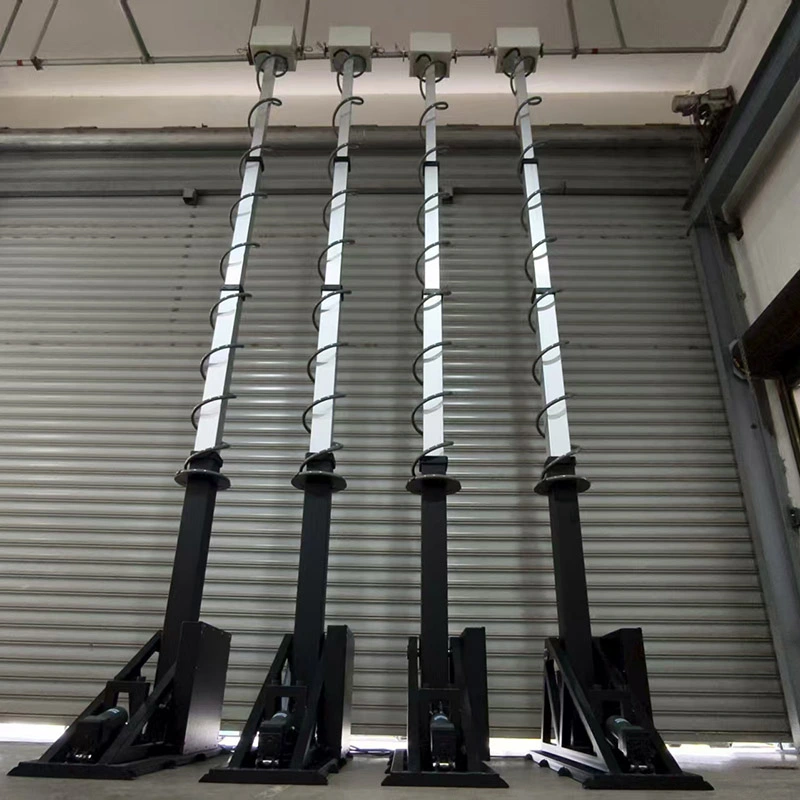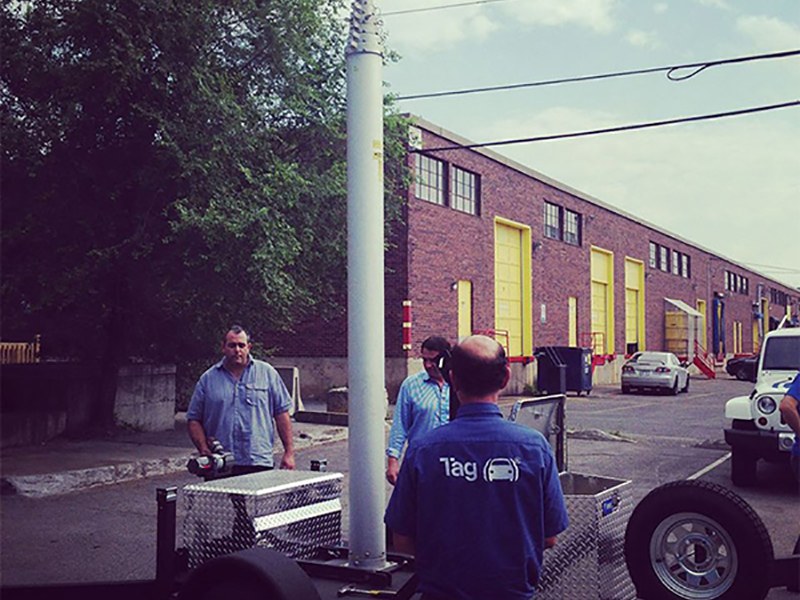

For industries that demand immediate, reliable elevation in the field, a telescopic mast is the backbone of mobile communication, surveillance, and emergency response. Homall has engineered a full range of masts that merge lightweight portability with remarkable structural rigidity. Whether you need to lift a PTZ camera 12 meters into the air or deploy a weather station at 25 meters within minutes, Homall’s systems are purpose‑built to perform under real‑world pressure. Every mast leaving our facility undergoes a multi‑stage quality inspection that covers weld integrity, section concentricity, and locking‑mechanism endurance, so crews can concentrate on the mission instead of the equipment. This series is further divided into Electric Telescopic Mast series and Pneumatic Mast series, and so on.
A telescopic mast extends by sliding nested tube sections upward, locking securely at predetermined intervals. The core principle is simple, but the engineering that delivers wobble‑free elevation in gusty winds is far from trivial. Homall tubing is drawn from 6061‑T6 aluminium alloy, chosen for its high strength‑to‑weight ratio and natural corrosion resistance. Each tube section overlaps the next by at least 15% of its length when fully extended, creating a continuous load path that resists bending moments. Internal guide bushings made from glass‑reinforced nylon eliminate metal‑on‑metal galling and keep alignment within 0.2 mm, even after thousands of cycles. The locking mechanism on Homall masts uses a patent‑pending cam‑lock ring that engages a machined seat with an audible click, removing any doubt about whether the section is truly secure. For operators who prefer automated deployment, we equip select models with integrated 12V or 24V linear actuators, complete with a handheld remote and manual override in case of power loss.