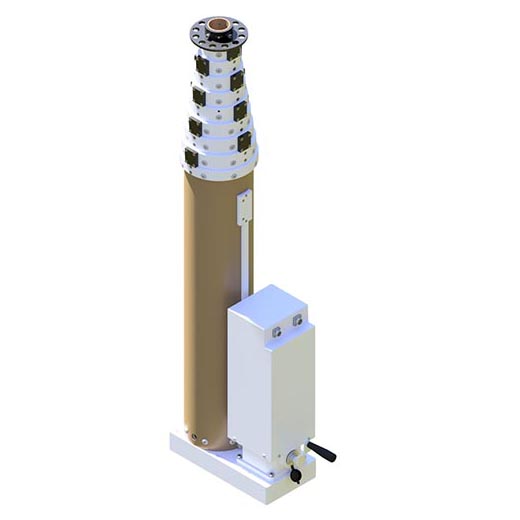
A 6m electric lockable spindle telescopic mast is a compact vertical lifting system designed to raise cameras, communication equipment, lighting fixtures, sensors, antennas, and other payloads to an elevated working position.
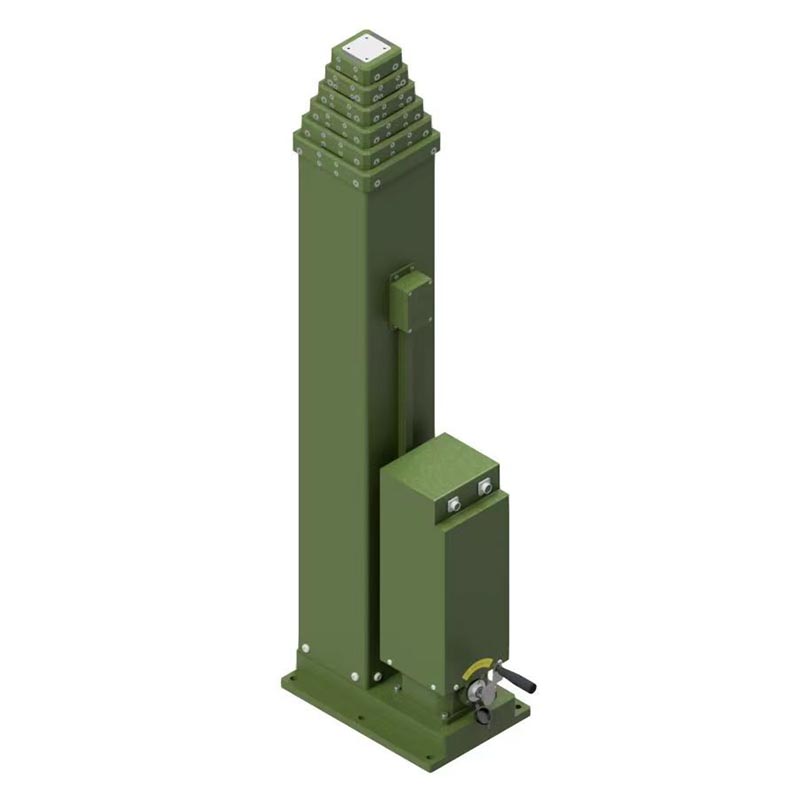
A spindle rope driven telescopic mast combines a compact multi-section mast structure with a mechanical lifting and retraction mechanism. This design can provide controlled height adjustment while helping equipment such as antennas, cameras, sensors, lighting systems and communication devices reach an elevated operating position without requiring a permanently tall structure.
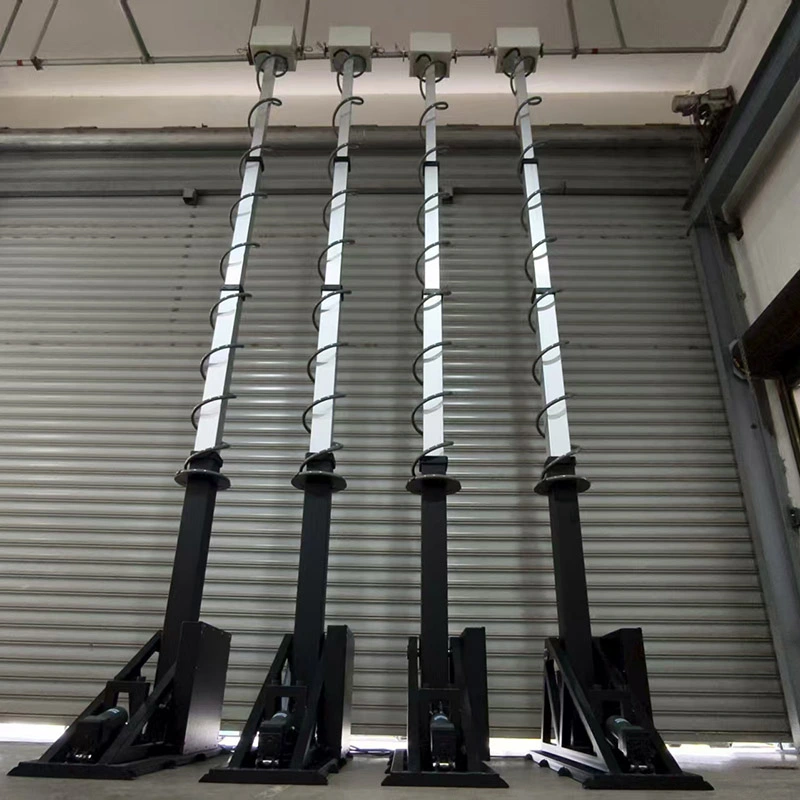
A Foldable Electric Mast provides a practical way to elevate cameras, antennas, lights, sensors, communication equipment, and other payloads while keeping transportation and storage requirements low. By combining powered deployment with a compact folding structure, it helps users reduce setup effort, improve operational flexibility, and adapt equipment to temporary or mobile environments. This guide explains how foldable electric masts work, where they are used, which specifications matter, and how to select a configuration that matches real operating conditions.
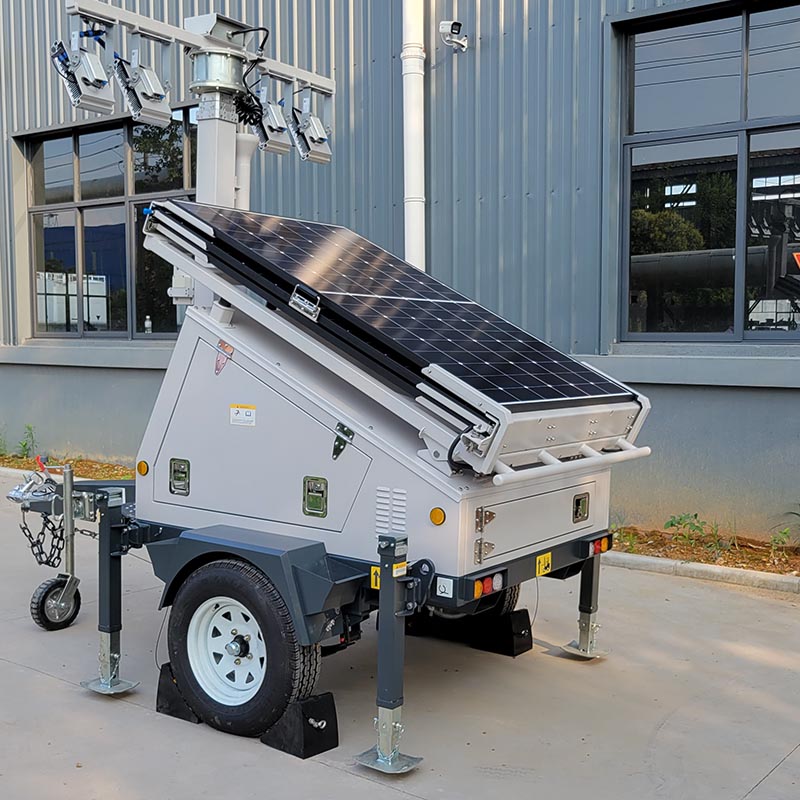
Construction machinery distributors and rental‑fleet owners often approve large‑volume Trailer Light Tower purchases based on static showroom sample inspection. Showroom‑condition units deliver smooth mast lifting, bright lighting output and solid trailer appearance. Real‑world rental cycles combine highway towing shock, construction‑site dust‑sand erosion, drastic temperature swings and repeated lifting‑retraction cycles. Multiple latent risks stay invisible during sample acceptance and only emerge after fleet deployment, bringing high repair cost and rental‑business downtime losses.
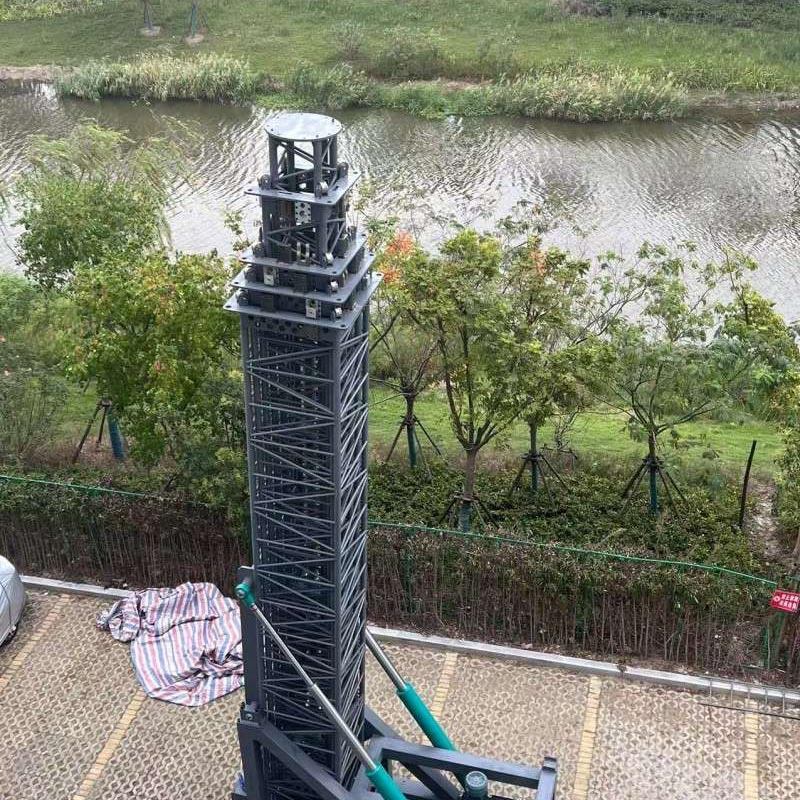
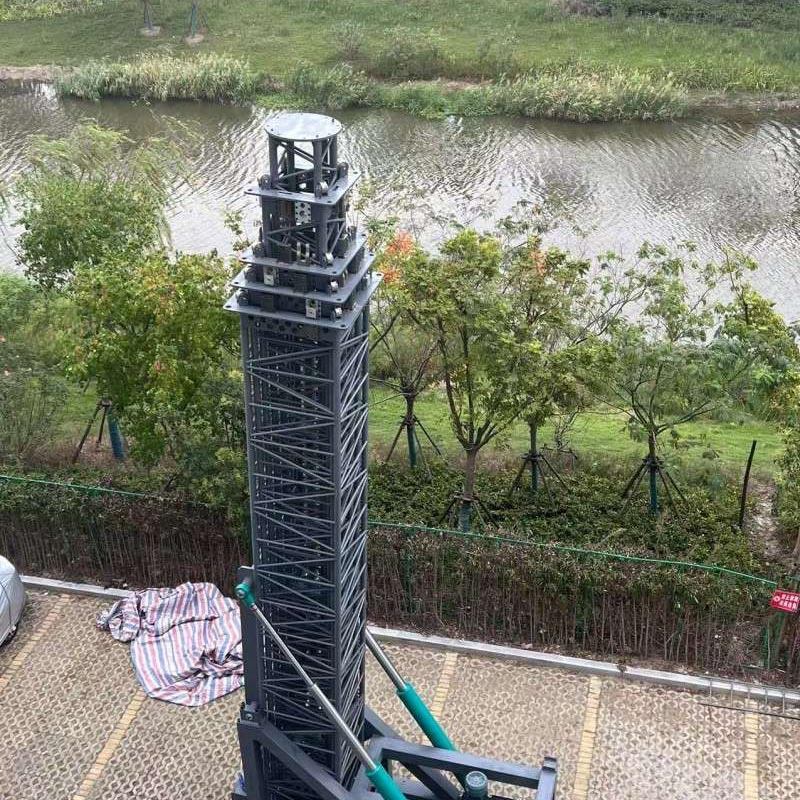
Selecting a suitable Lattice Tower is not simply a matter of choosing a structure with sufficient height. Tower performance depends on several interconnected factors, including site conditions, wind loading, equipment weight, antenna arrangement, foundation design, corrosion protection, transportation requirements, and installation conditions. A well-designed lattice tower distributes loads efficiently through its interconnected steel members while keeping structural weight relatively low. This makes it suitable for applications where height, stability, accessibility, and cost control are important.
We use cookies to offer you a better browsing experience, analyze site traffic and personalize content. By using this site, you agree to our use of cookies. Privacy Policy


 08 2026-10
  29 2026-09
  18 2026-09
  02 2026-09
  02 2026-09
  01 2026-09