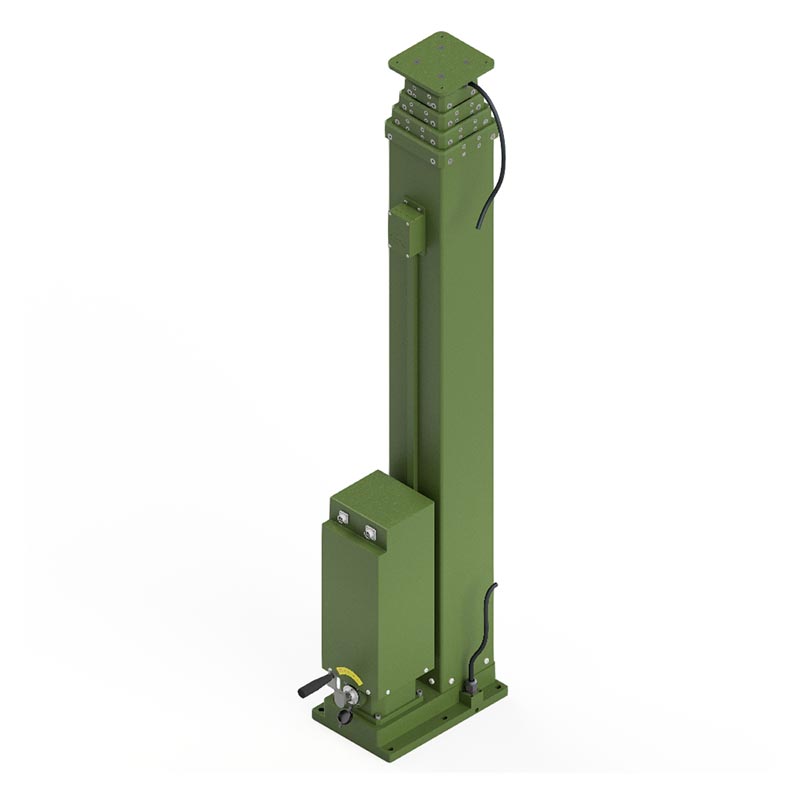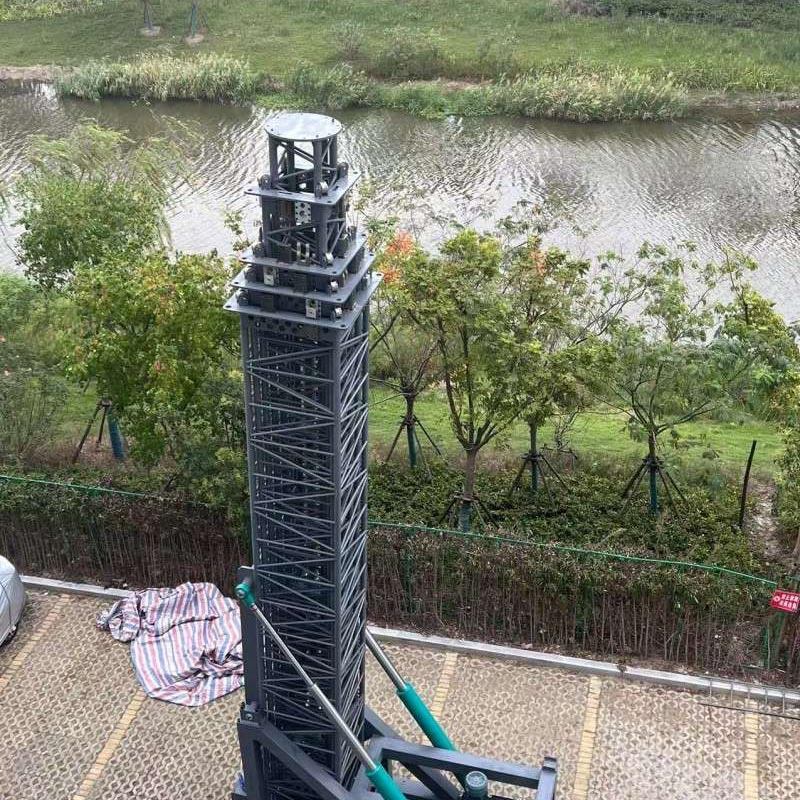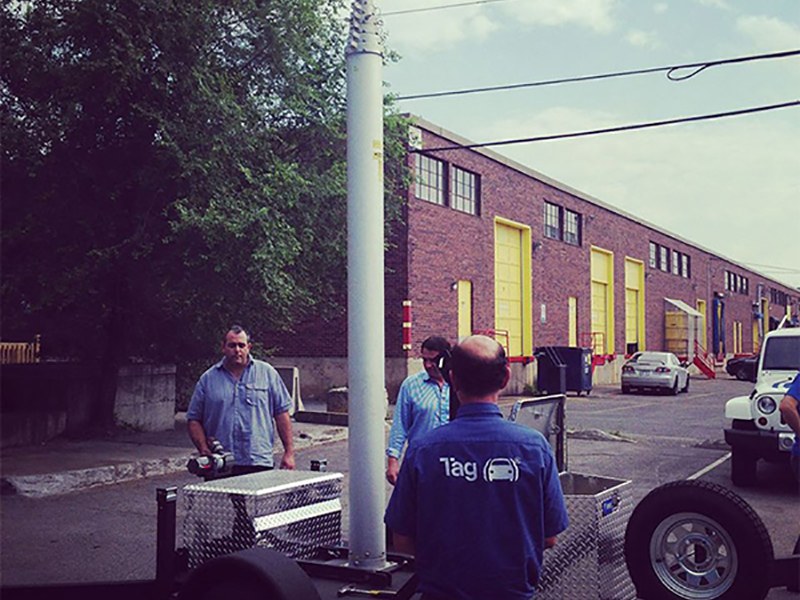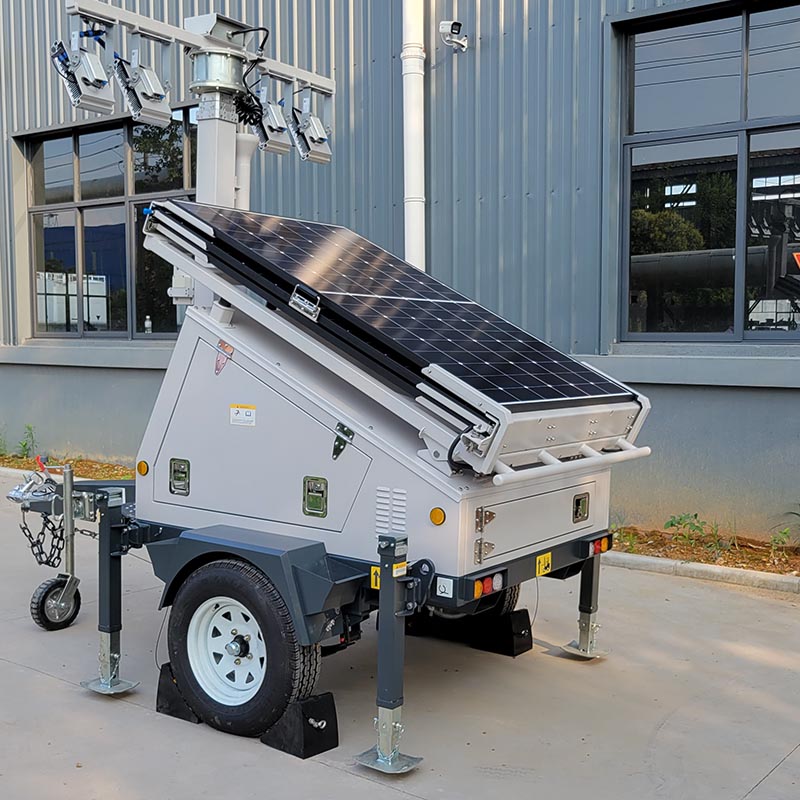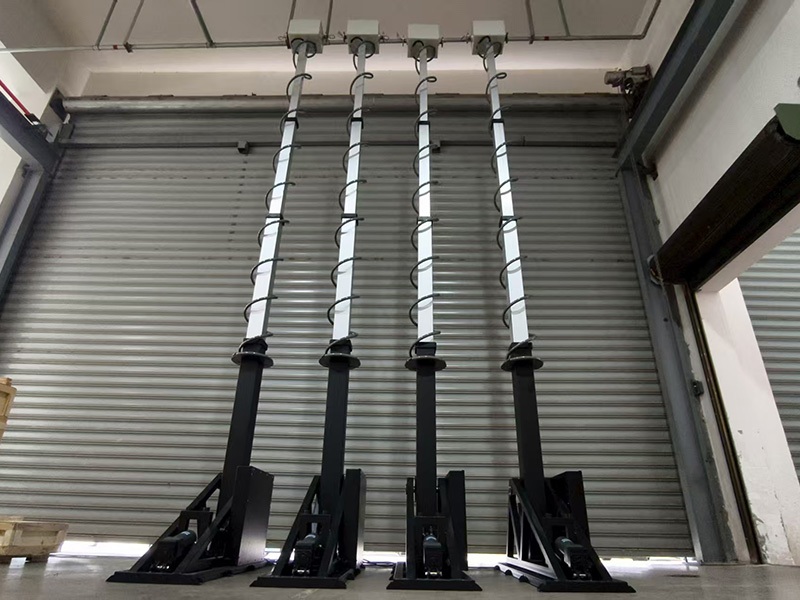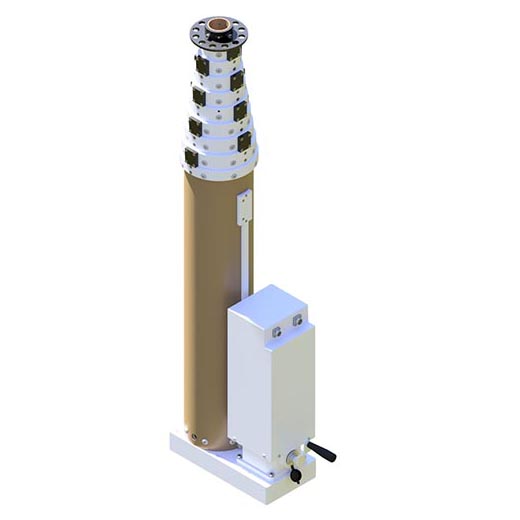

Selecting a suitable Lattice Tower is not simply a matter of choosing a structure with sufficient height. Tower performance depends on several interconnected factors, including site conditions, wind loading, equipment weight, antenna arrangement, foundation design, corrosion protection, transportation requirements, and installation conditions. A well-designed lattice tower distributes loads efficiently through its interconnected steel members while keeping structural weight relatively low. This makes it suitable for applications where height, stability, accessibility, and cost control are important.
For project owners and engineering teams, the key is to evaluate the complete structural system rather than focusing only on the tower itself. The following sections provide practical guidance for understanding construction, applications, design considerations, installation, maintenance, and purchasing decisions.
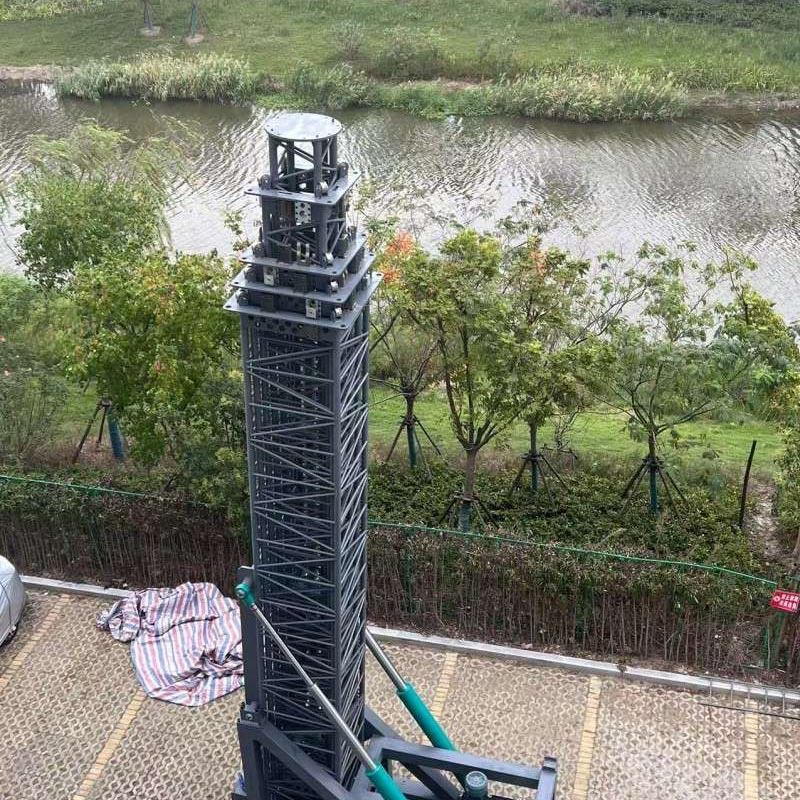
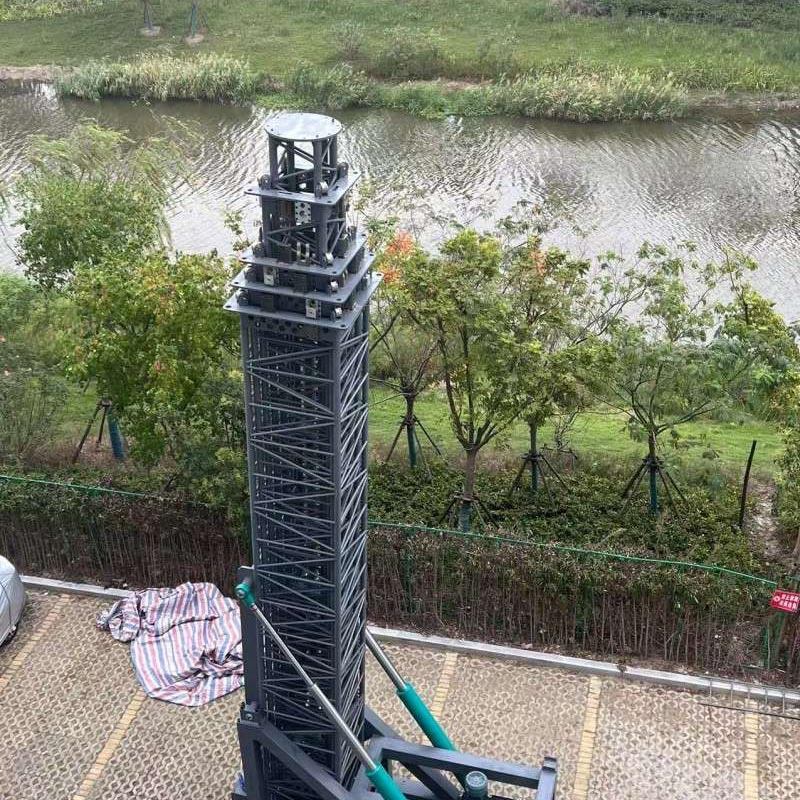
A Lattice Tower is a freestanding or supported structural tower made from interconnected steel members arranged in an open framework. Instead of using a large solid shaft, the structure relies on multiple vertical and diagonal members to carry compression, tension, shear, and bending forces.
This open configuration is one of the most important characteristics of a lattice tower. By reducing the amount of solid surface exposed to wind, the structure can achieve favorable aerodynamic behavior while maintaining the required load-bearing capacity. At the same time, the interconnected members create a stable three-dimensional framework capable of supporting antennas, cables, lighting equipment, platforms, transmission components, cameras, and other loads.
Most towers are fabricated from structural steel because steel offers high strength, predictable mechanical properties, and good compatibility with protective surface treatments. Depending on the project, members may be connected using bolted joints, welded components, or a combination of both.
The performance of a lattice tower comes from the interaction between its individual components. Although configurations vary according to height and application, a typical structure includes several essential elements.
The geometry of the tower is equally important. A wider base generally provides greater stability, while carefully designed tapering can reduce material requirements as the tower rises. Engineers must balance structural efficiency with equipment loading, site restrictions, transportation, and installation requirements.
The versatility of lattice construction allows these towers to serve a wide range of infrastructure projects. Their applications are determined mainly by required height, loading capacity, environmental conditions, and equipment configuration.
| Application | Typical Requirements | Why Lattice Construction Helps |
|---|---|---|
| Telecommunications | Antennas, cables, equipment platforms | Efficient height-to-weight ratio |
| Power transmission | Conductors and electrical hardware | Strong framework for distributed loads |
| Lighting | Floodlights and lighting fixtures | Lightweight elevated structure |
| Security and monitoring | Cameras, sensors, communication devices | Flexible equipment mounting |
| Industrial facilities | Specialized equipment and access systems | Adaptable structural configuration |
The open framework allows structural steel to be positioned where it contributes most effectively to load transfer. Instead of creating a heavy solid wall, the tower uses a network of members to achieve stiffness and stability. This can help reduce unnecessary structural mass while maintaining performance requirements.
Wind is a major consideration for tall structures. The open geometry of a lattice tower allows air to pass through the framework, reducing the solid projected area compared with many closed structural forms. Actual wind response still depends on tower geometry, mounted equipment, terrain, and applicable design standards, so engineering calculations remain essential.
Telecommunications and monitoring projects often need multiple mounting points. A lattice framework provides numerous opportunities for installing antennas, cables, platforms, lights, and accessories. Proper load assessment is essential whenever equipment is added or modified.
Many lattice towers can be manufactured in modular sections. Components can therefore be transported separately and assembled at the project site. This approach can be particularly useful when access roads, transportation dimensions, or installation conditions limit the movement of large prefabricated structures.
With suitable corrosion protection and a planned inspection program, steel lattice structures can provide long-term service. Their individual components can also be inspected and, where necessary, repaired or replaced more selectively than some monolithic structural systems.
A common purchasing mistake is to select a tower primarily according to height and price. A reliable specification should instead consider the complete operating environment.
Different tower configurations can be suitable for different projects. The correct choice depends on structural requirements rather than appearance alone.
| Factor | Lattice Tower | Solid/Closed Structure |
|---|---|---|
| Structural form | Open framework | Continuous or enclosed surface |
| Material distribution | Focused along structural members | Distributed through a larger surface |
| Wind interaction | Open geometry can reduce exposed solid area | Larger continuous surface may increase wind exposure |
| Equipment mounting | Highly adaptable | Depends strongly on structural design |
| Assembly | Often modular | May involve larger prefabricated sections |
Even a properly engineered tower can experience problems if installation and maintenance are overlooked. Site preparation should begin with foundation verification, anchor bolt positioning, access planning, and component inspection.
During assembly, each structural section should be installed according to the approved engineering drawings. Bolted connections should be correctly aligned and tightened using appropriate procedures. Unauthorized drilling, cutting, welding, or modification can change the load path and should not be performed without engineering approval.
After installation, periodic inspection should focus on structural members, connections, corrosion protection, ladders, platforms, anchor areas, and equipment mounting points. Special attention is useful after severe weather events or when additional equipment is installed.
Check foundation, components, drawings, access, and site conditions.
Verify alignment, connections, lifting procedures, and structural integrity.
Inspect corrosion, connections, equipment mounts, and safety-access components.
Manufacturing quality directly influences the consistency and service performance of a lattice tower. Buyers should evaluate more than the final appearance of the finished structure.
A dependable supplier should also be able to discuss project-specific requirements rather than offering a one-size-fits-all structure. For international projects, communication regarding loading assumptions, technical drawings, packaging, shipping, installation instructions, and local requirements is particularly important.
A lattice tower provides an elevated structural platform for equipment such as antennas, transmission components, lights, cameras, and monitoring devices. Its open framework is designed to provide structural stability while using material efficiently.
Yes. They are widely used for telecommunications because their framework can support antennas, cables, platforms, and other equipment while providing multiple mounting locations and an efficient structural configuration.
In many projects, the tower can be engineered according to required height, equipment loads, site conditions, mounting arrangements, access systems, foundation requirements, and corrosion-protection needs. Customization should always be based on engineering calculations.
Useful information includes tower height, location, equipment type and weight, antenna dimensions, wind conditions, foundation information, access requirements, preferred surface protection, quantity, and delivery destination.
Galvanizing and other suitable protective coatings can help protect steel components from environmental exposure. The appropriate system depends on the local climate, humidity, salt exposure, industrial conditions, and expected service environment.
Inspection intervals depend on the tower's environment, usage, local regulations, manufacturer recommendations, and structural importance. Routine inspections should check members, connections, corrosion, foundation areas, access systems, and mounted equipment, with additional checks after significant weather events where appropriate.
A well-designed Lattice Tower can provide a practical combination of strength, structural efficiency, installation flexibility, and long-term serviceability. Its open framework makes it especially valuable for telecommunications, power infrastructure, lighting, security monitoring, and other applications that require elevated equipment support.
The most important purchasing decision is not simply selecting the tallest or lowest-cost tower. Project owners should consider structural loads, environmental conditions, foundation requirements, equipment configuration, corrosion protection, manufacturing quality, installation procedures, and future maintenance from the beginning.
For businesses requiring dependable tower solutions, working with an experienced manufacturer can simplify technical coordination and help ensure that the final structure is matched to the actual project conditions.
Homall Industry Limited can support customers looking for practical and project-oriented lattice tower solutions. Share your required tower height, application, equipment load, site conditions, quantity, and delivery requirements to discuss a suitable configuration. Contact Us.