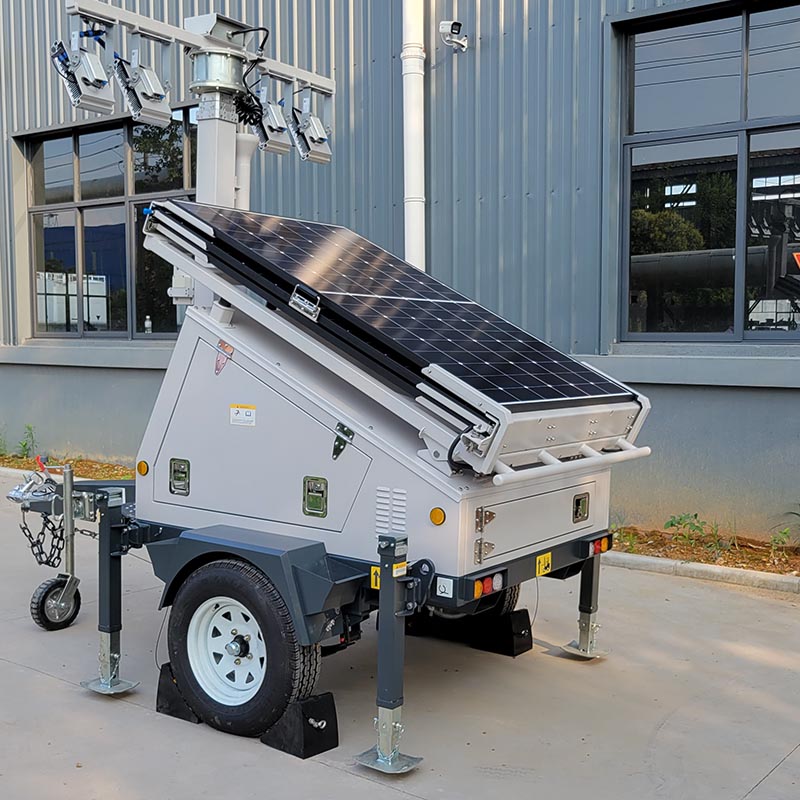

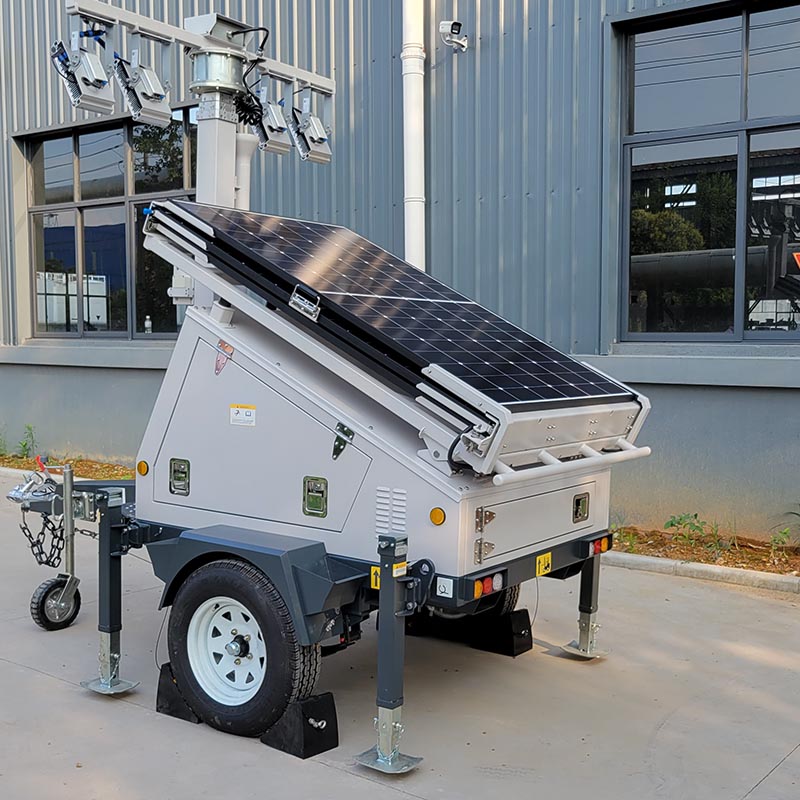
Construction machinery distributors and rental‑fleet owners often approve large‑volume Trailer Light Tower purchases based on static showroom sample inspection. Showroom‑condition units deliver smooth mast lifting, bright lighting output and solid trailer appearance. Real‑world rental cycles combine highway towing shock, construction‑site dust‑sand erosion, drastic temperature swings and repeated lifting‑retraction cycles. Multiple latent risks stay invisible during sample acceptance and only emerge after fleet deployment, bringing high repair cost and rental‑business downtime losses.
Sample units never undergo real road‑towing stress inside showrooms.
Rental fleets frequently tow light towers between multiple construction job‑sites. Sustained multi‑axis road vibration can loosen bolted connections, crimp internal wiring and shift hydraulic‑hose fitting positions. Visible damage does not show up until first or second field‑deployment.
Robomast completes lab‑accelerated highway‑towing simulation for finished units:
Sample evaluation runs under clean indoor environments without construction‑site contaminants.
On‑site sand, cement dust and muddy splashes invade telescopic‑mast sealing gaps, generator air‑intake and lamp‑fixture housing. Gradual abrasive wear on mast seals will cause stiff lifting action or mast seizing after dozens of lifting‑cycles. Simple visual sample‑check cannot reproduce this abrasive‑wear failure‑mode.
Dust‑grit cyclic exposure test reproduces typical construction‑site pollution conditions, verifying seal‑system anti‑contamination robustness before mass shipment.
Prototype samples perform limited mast lift‑lower demonstration cycles under wind‑free lab conditions.
Once deployed on open‑air construction sites, extended telescopic masts keep receiving alternating cross‑wind force. Superimposed with thousands of lift‑retract operations, high‑stress weld joints between mast base and trailer chassis slowly develop micro‑fatigue cracks. This creates major safety hazards for rental‑fleet operators.
Individual generator, hydraulic cylinder and trailer‑axle may each pass their own separate incoming‑spec check.
Mismatched tolerance ranges from different component batches will create hidden assembly pre‑stress after full‑unit integration. The complete trailer light tower may show intermittent hydraulic leakage, abnormal mast noise even if each spare‑part meets standalone drawing‑requirements.
Robomast enforces component‑batch pairing rules for OEM orders; finished full‑units run integrated system‑level testing rather than only discrete‑part inspection.
Showroom samples get tested under mild room‑temperature conditions only.
Rental fleets deliver equipment to geographically‑diverse sites: hot desert construction zones, cold high‑altitude mining locations and humid coastal projects. Large temperature swings degrade hydraulic‑oil viscosity, rubber sealing elements and lamp‑driver electronics. Units working fine indoors can face starting‑failure or lamp‑flicker in extreme‑climate job‑sites.
Climatic‑chamber testing covers high‑heat, sub‑zero and high‑humidity working scenarios to validate cross‑climate adaptability of each production batch.
Single showroom sample‑test‑reports have zero validity for serial‑production rental‑fleet bulk‑orders.
International construction‑equipment incoming‑QA and rental‑company asset‑audit require aggregated batch‑linked technical‑records: towing‑vibration logs, dust‑ageing‑test‑data, weld‑fatigue‑inspection‑reports and climate‑endurance‑records.
Robomast compiles unified project‑tied English‑language traceability‑dossiers, removing documentation‑gap‑caused shipment‑hold‑up risks for cross‑border construction‑equipment buyers.