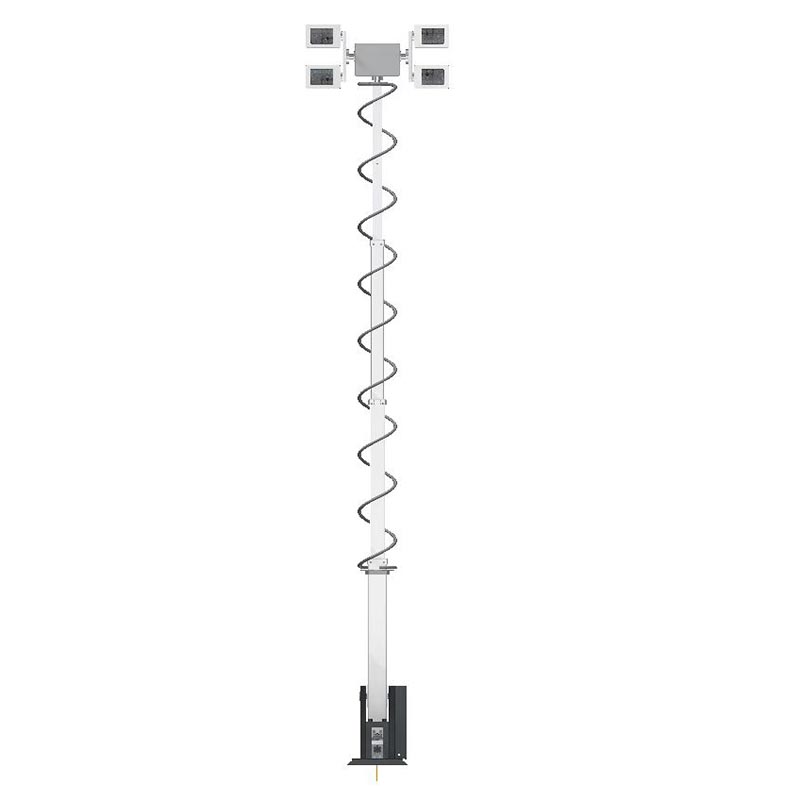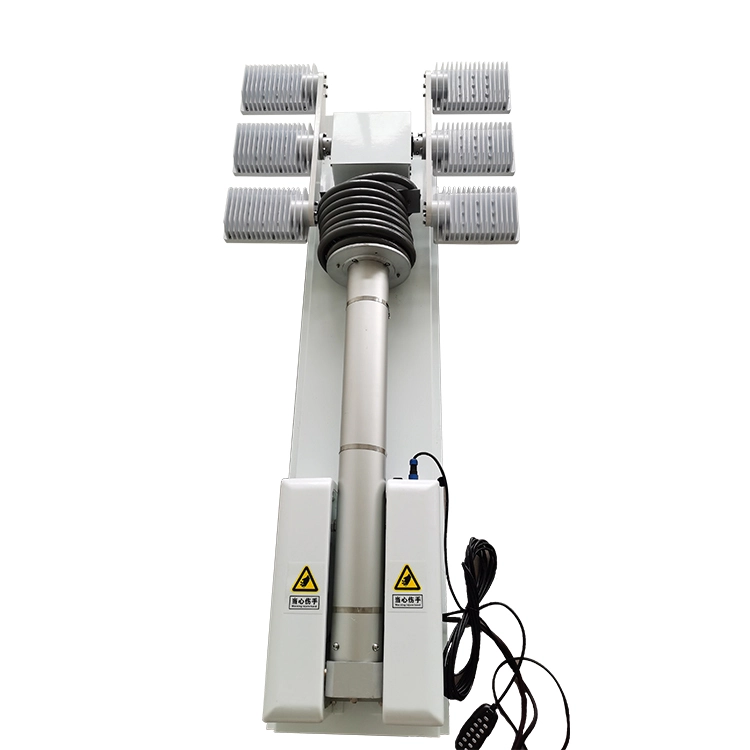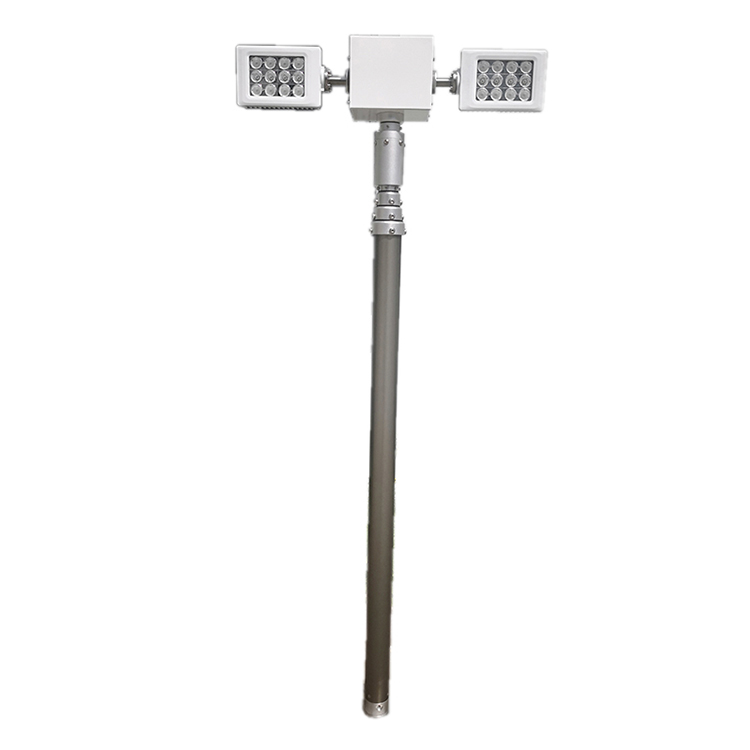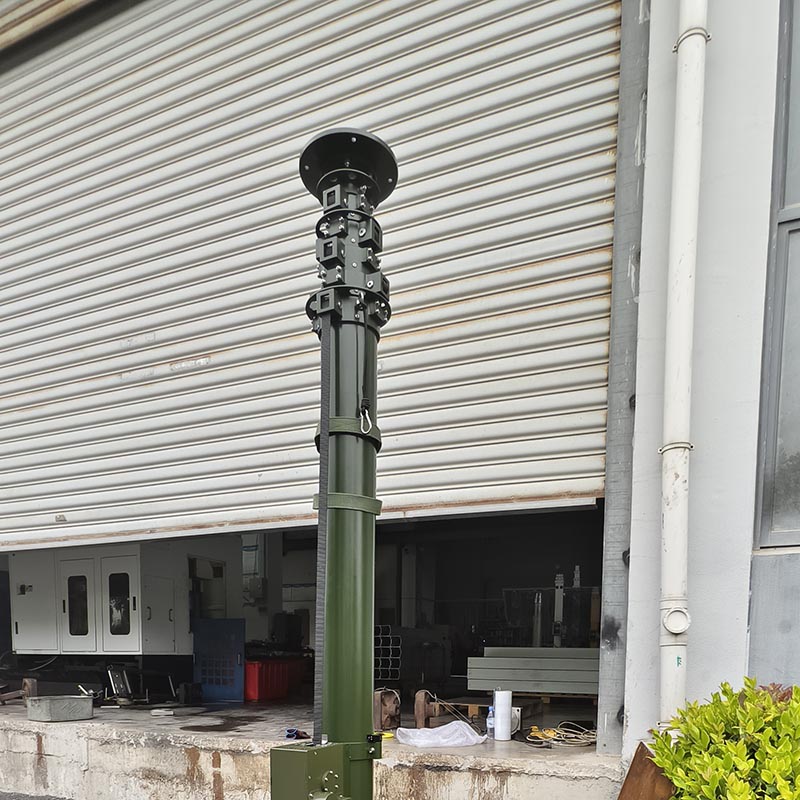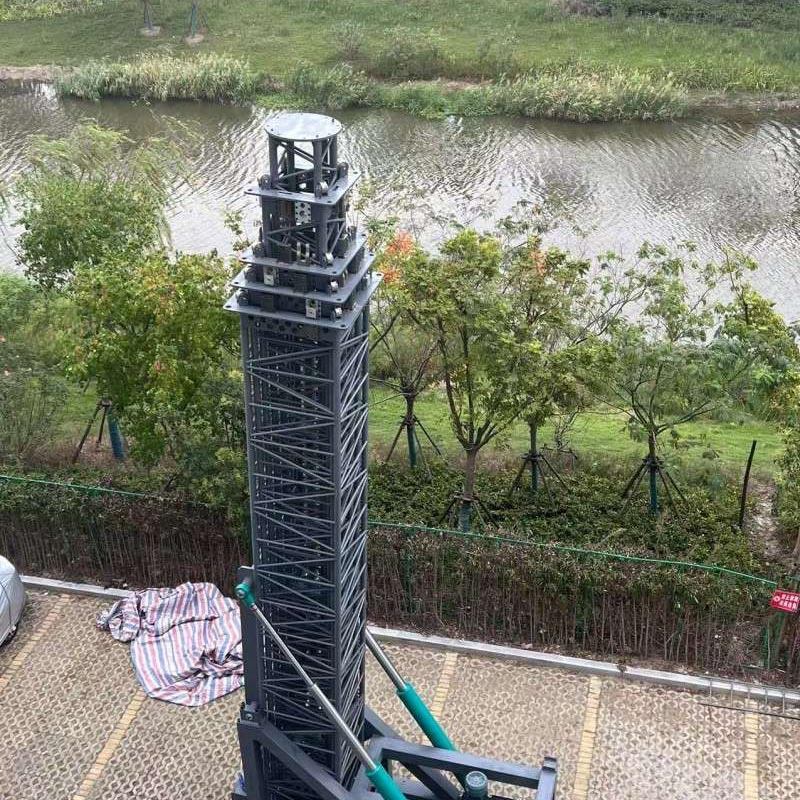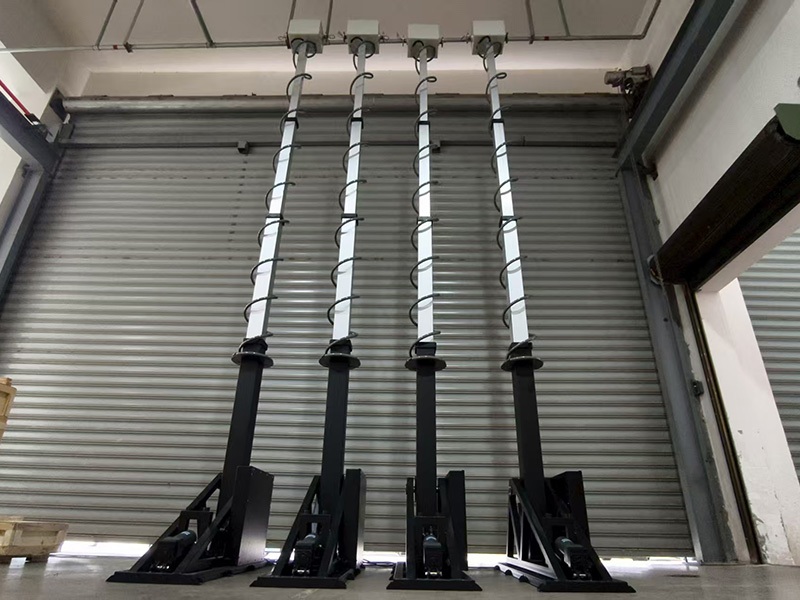

Telecom integrators and steel‑structure distributors frequently approve bulk orders for 30m telescopic lattice towers relying solely on static workshop prototypes. Assembled samples deliver precise dimensional accuracy, smooth telescopic movement and intact hot‑dip galvanized surfaces. Real‑world operating conditions including sustained wind cycling, coastal salt‑laden atmosphere, repeated extension‑retraction cycles and long‑distance ocean shipment expose hidden weaknesses never observed during sample inspection, bringing costly rework and project schedule delays for infrastructure buyers.
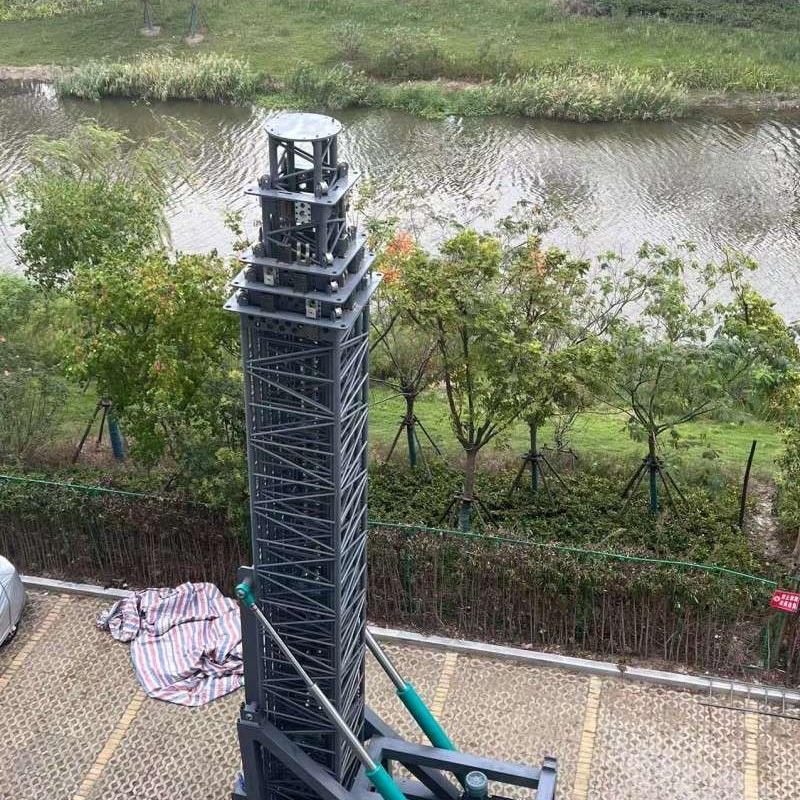
Most procurement teams only judge galvanizing quality by outer visual appearance of prototypes.
Similar surface look cannot guarantee consistent zinc thickness inside gaps, weld seams and bolt hole interiors. These hard‑to‑reach spots easily become corrosion initiation points, especially for seaside telecom roll‑outs.
Robomast carries out multi‑position zinc‑thickness inspection for every production batch:
Workshop prototypes receive careful manual adjustment by experienced assembly technicians.
Mass‑produced steel members each carry their own permissible tolerance range. When dimensional deviations stack in one direction, multi‑segment lattice parts build up internal mechanical pre‑stress. Static display looks normal, yet sticking or binding occurs during real full‑height extend‑retract operations.
Complete pre‑assembly fit‑check at full height validates inter‑segment clearance, eliminating accumulated‑tolerance‑related jamming risk prior to packing and shipping.
Prototype quality control only checks external weld visual appearance.
A 30‑meter lattice tower endures continuous alternating wind load. Tiny incomplete‑penetration defects at weld toes stay invisible to naked eyes. Gradual crack propagation under long‑term wind vibration threatens overall structural safety.
Prototype samples remain static inside workshops without logistics shock exposure.
Ocean container transport brings persistent multi‑direction vibration. High‑strength bolts at lattice joints lose part of pre‑tension force. Construction teams may erect towers directly without re‑torque, leaving concealed structural hazards.
Accelerated vibration‑chamber testing evaluates bolt pre‑load retention, optimizing locking solutions for cross‑border transportation scenarios.
Prototype assessment runs under mild indoor ambient temperature.
Global infrastructure projects cover frigid high‑latitude zones and humid tropical coastlines. Minor steel‑batch variation lowers low‑temperature impact resistance, making certain batches more brittle under extreme cold.
Mill material certificate cross‑check plus spot sampling impact testing guarantees material suitability for various worldwide project locations.
Prototype sample inspection reports hold no audit validity for mass‑production infrastructure batches.
Third‑party audits for international telecom infrastructure require complete batch‑associated records: galvanizing test logs, NDT weld inspection reports, steel mill certificates and vibration validation data.
Robomast provides unified English‑language project‑linked traceability dossiers, avoiding project acceptance delays caused by missing documentation for global infrastructure buyers.