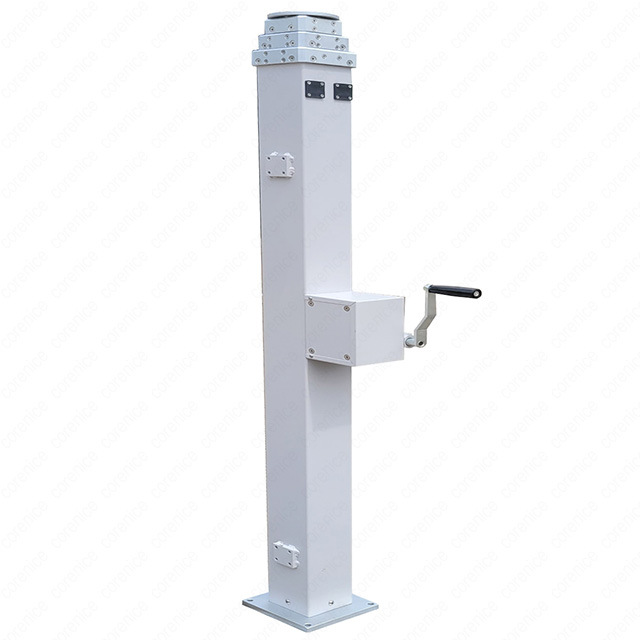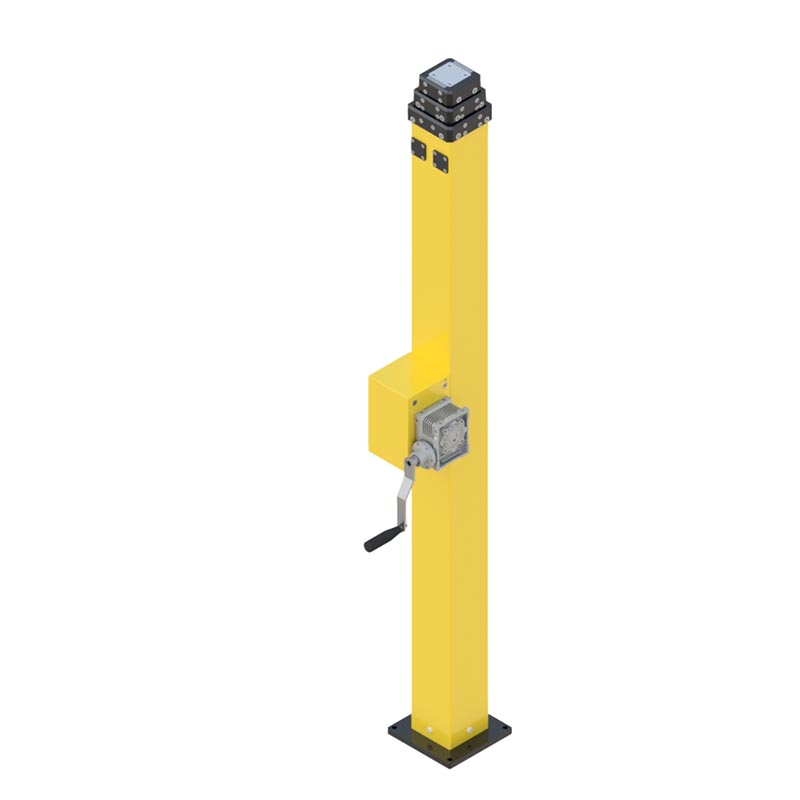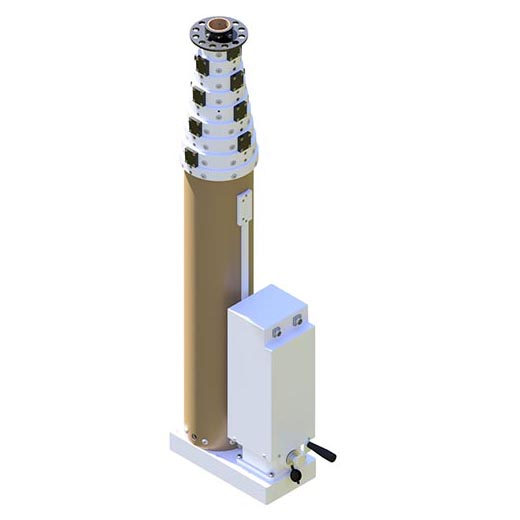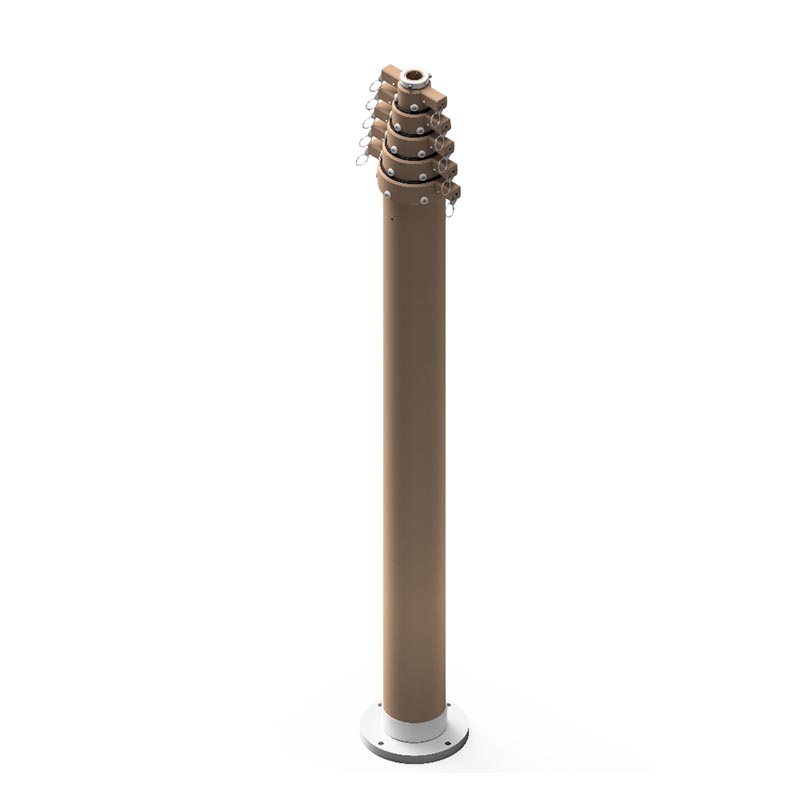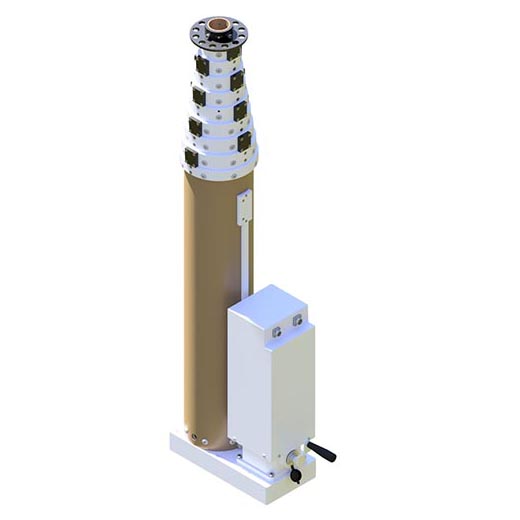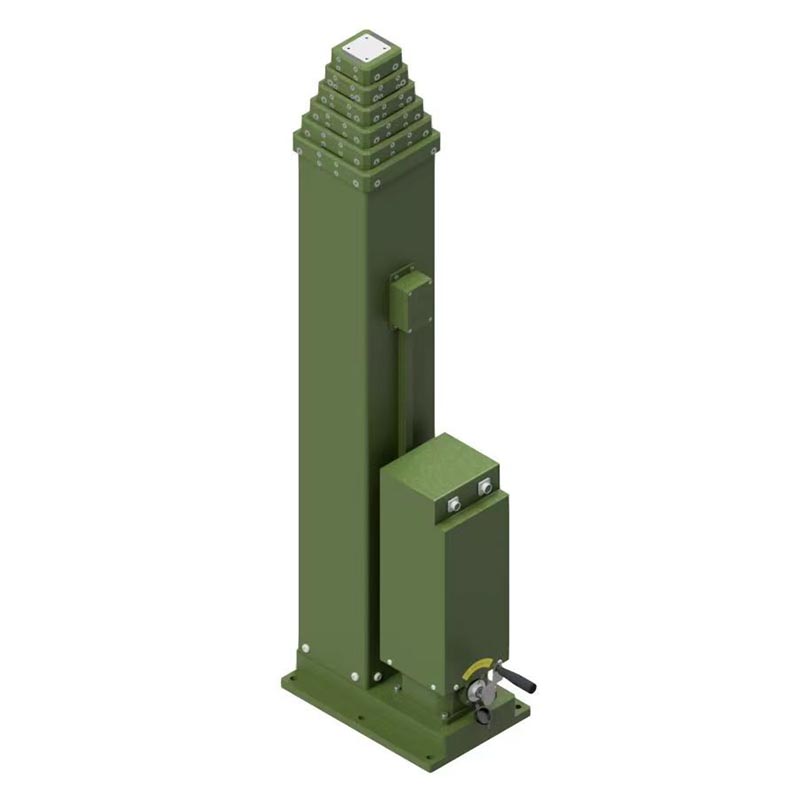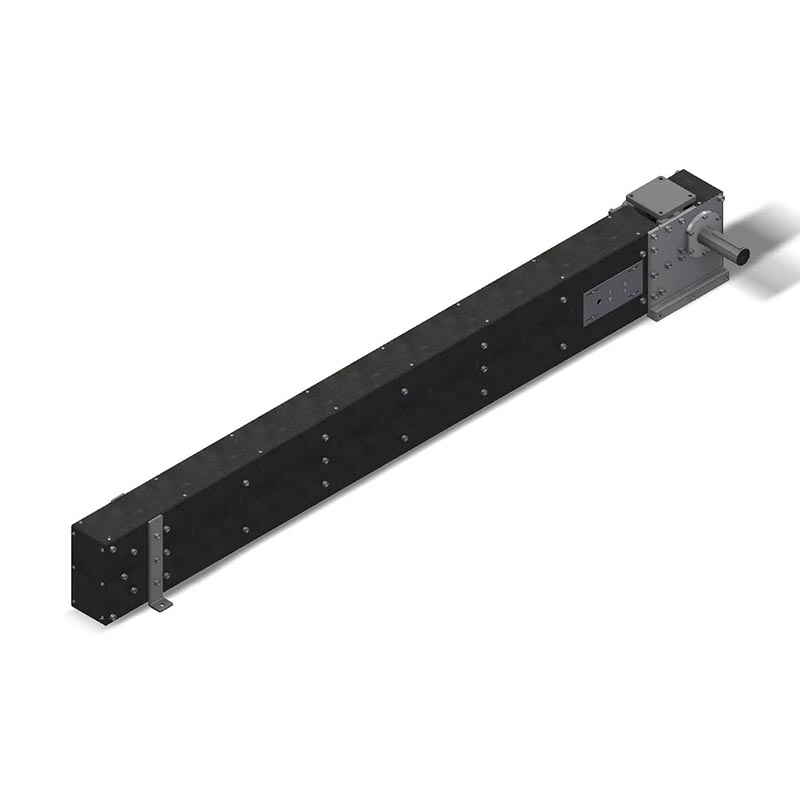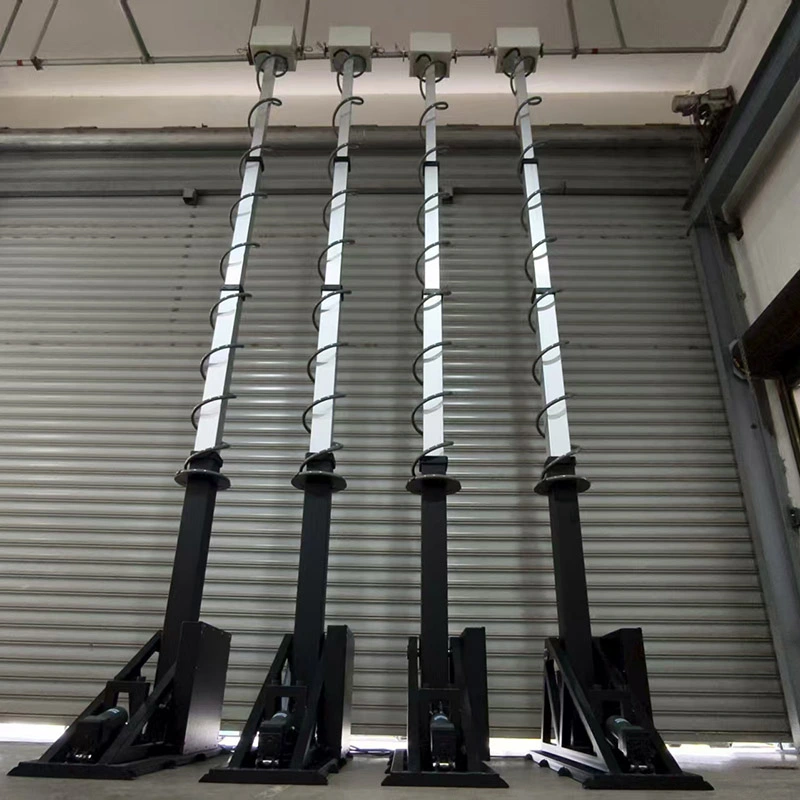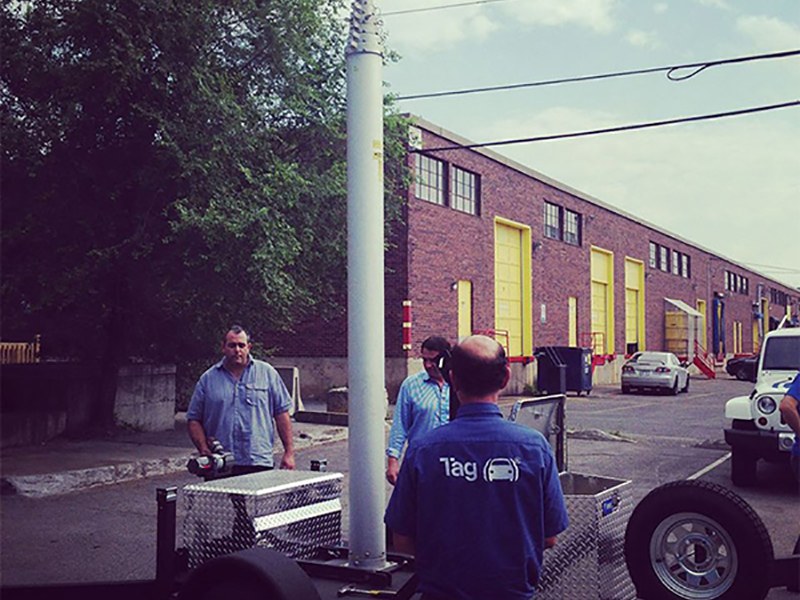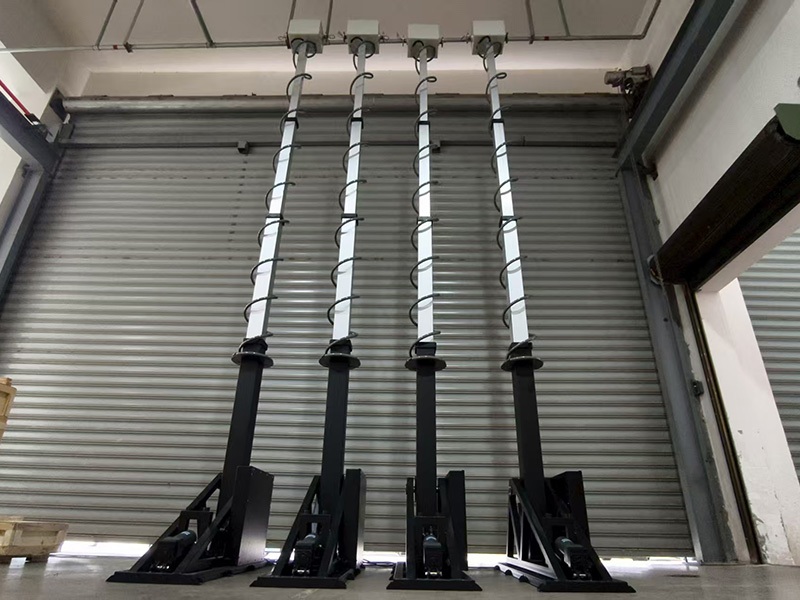

A heavy duty mast is engineered for applications where ordinary poles or support structures may not provide sufficient strength, stability, or service life. From high-load lighting and communication installations to industrial equipment, surveillance systems, and large outdoor structures, the right mast must withstand vertical loads, wind pressure, vibration, corrosion, and repeated environmental stress. This guide explains the key factors behind mast performance and provides practical advice for selecting, specifying, installing, and maintaining a reliable heavy duty mast.
Table of Contents
- Understanding the Heavy Duty Mast
- Why Structural Strength Matters
- Key Design Features
- Materials and Surface Protection
- How to Specify the Right Mast
- Common Industrial Applications
- Heavy Duty Mast vs. Standard Mast
- Installation and Foundation Considerations
- Maintenance and Service Life
- Common Purchasing Mistakes
- Frequently Asked Questions
- Final Considerations
Understanding the Heavy Duty Mast
A heavy duty mast is a high-strength vertical support structure designed to carry substantial equipment loads while maintaining stability under demanding operating conditions. Unlike lightweight poles intended for simple signage or low-load applications, heavy duty masts are engineered around structural requirements such as bending resistance, wind loading, equipment weight, vibration, foundation stability, and long-term environmental exposure.
The term can describe different configurations depending on the industry. A mast may support lighting fixtures, communication equipment, cameras, antennas, industrial instruments, cables, banners, or other elevated components. Its dimensions and construction therefore need to be matched to the actual application rather than selected solely according to height.
Why Structural Strength Matters
When equipment is mounted several meters above ground, even a moderate horizontal force can create significant bending moments at the base. Wind is particularly important because the exposed surface area of the mast and mounted equipment can produce considerable lateral loading.
A heavy duty mast must therefore do more than simply hold equipment vertically. It should resist deformation and maintain its structural integrity during repeated loading cycles. Poorly selected structures can experience excessive deflection, connection fatigue, surface deterioration, or foundation problems.
- Higher load capacity: Supports heavier equipment and larger mounting assemblies.
- Improved wind resistance: Provides greater stability in exposed outdoor locations.
- Lower deflection: Helps keep mounted equipment in the intended position.
- Better fatigue performance: Handles repeated wind and vibration loads more effectively.
- Greater service reliability: Reduces the risk of premature structural failure.
For critical installations, structural calculations should be based on the actual equipment weight, projected area, mounting height, local wind conditions, safety requirements, and foundation design. These factors should be confirmed before production.
Key Design Features
A high-quality heavy duty mast begins with engineering rather than simply using thicker material. Several design elements work together to determine overall performance.
Tapered or carefully proportioned sections can provide an effective balance between structural strength, weight, material usage, and wind exposure.
Flanges, base plates, bolts, welded joints, and equipment brackets must be designed to transfer loads safely into the supporting structure.
Material thickness should reflect the required structural capacity instead of being selected from appearance alone.
The connection between the mast and foundation is essential because loads ultimately transfer through this area into the ground.
For taller or heavily loaded systems, modular and sectional construction can also simplify transportation and field assembly. This can be especially valuable when installation sites have restricted access.
Materials and Surface Protection
Material selection directly influences strength, weight, fabrication, corrosion resistance, and expected service life. Steel is widely used for heavy duty mast construction because it offers high structural strength and is suitable for welded and fabricated assemblies.
However, even a structurally strong steel mast can deteriorate prematurely if surface protection is inadequate. Outdoor installations may be exposed to rain, humidity, salt spray, industrial pollutants, temperature changes, and ultraviolet radiation.
| Material / Protection | Typical Advantage | Important Consideration |
|---|---|---|
| Structural Steel | High strength and excellent fabrication flexibility | Requires suitable corrosion protection for outdoor exposure |
| Hot-Dip Galvanized Steel | Strong corrosion protection for outdoor applications | Coating quality and process control are important |
| Painted / Powder-Coated Steel | Offers appearance customization and an additional protective layer | Surface preparation and coating thickness affect durability |
| Stainless Steel | Excellent corrosion resistance in many environments | Higher material cost may not be necessary for every project |
For coastal, marine, or chemically aggressive environments, corrosion protection deserves particular attention. The appropriate system should be selected according to the exposure conditions and expected operating life.
How to Specify the Right Mast
One of the most common purchasing problems is ordering a mast based only on its height. Height is important, but it is just one part of the specification. Buyers should define the complete operating environment before requesting quotations or approving production drawings.
- Define the overall height. Determine the required mounting elevation and usable working height.
- Calculate equipment loads. Include the weight of fixtures, antennas, cameras, brackets, cables, and other accessories.
- Assess wind exposure. Consider local wind conditions and the projected area of all equipment mounted on the mast.
- Review dynamic loading. Equipment that generates vibration or is exposed to repeated wind movement may require additional consideration.
- Specify material and protection. Match the steel grade, coating, galvanizing, or other protection to the environment.
- Confirm foundation requirements. The foundation and anchor system should be compatible with the mast's calculated loads.
- Consider transportation. Section length, total weight, access restrictions, and assembly methods can affect project cost.
Common Industrial Applications
The versatility of heavy duty mast structures makes them suitable for a wide range of commercial, industrial, infrastructure, and outdoor projects.
Used for highways, logistics yards, ports, airports, sports facilities, parking areas, and large industrial sites where broad illumination is required.
Can support antennas, radio equipment, wireless communication components, and associated cabling when the structural design meets the required loading conditions.
Provides elevated mounting positions for cameras and monitoring equipment across industrial compounds, transportation facilities, and large sites.
May be integrated into systems requiring elevated instruments, sensors, cables, or specialized equipment in demanding environments.
The exact configuration should always be engineered around the application. A mast intended for lighting may have very different requirements from one supporting communication equipment because the mounted components can have different weights, shapes, and wind-catching areas.
Heavy Duty Mast vs. Standard Mast
The difference between a heavy duty and standard mast is not simply the amount of steel used. The key distinction is the level of structural demand the product is designed to accommodate.
| Factor | Heavy Duty Mast | Standard Mast |
|---|---|---|
| Load Capacity | Designed for higher equipment and structural loads | Generally intended for lighter installations |
| Wind Exposure | Suitable for demanding wind-loading conditions when properly engineered | Better suited to less demanding applications |
| Structural Design | More extensive consideration of bending, connections, fatigue, and foundation loads | Usually optimized for simpler loading requirements |
| Customization | Often available with application-specific dimensions and mounting systems | More commonly based on standard configurations |
| Initial Cost | Typically higher because of material and engineering requirements | Usually lower for basic applications |
| Long-Term Value | Can provide better value where high loads and demanding conditions are expected | Cost-effective when loads and environmental demands remain modest |
Choosing the lighter option simply because it has a lower purchase price can create higher costs later if replacement, reinforcement, downtime, or maintenance becomes necessary. The best choice is the structure that is correctly matched to the project's actual requirements.
Installation and Foundation Considerations
Even a well-designed mast can perform poorly if the foundation or installation process is inadequate. The foundation must transfer vertical and lateral loads safely into the ground, while anchor bolts and base connections need to maintain alignment and stability.
Before installation, verify the foundation dimensions, anchor-bolt positioning, concrete condition, drainage, access conditions, and lifting requirements. For multi-section masts, field joints should be assembled according to the approved installation method.
- Confirm foundation and anchor dimensions before delivery.
- Inspect components for transportation damage.
- Use suitable lifting equipment for the mast's weight and length.
- Check vertical alignment after erection.
- Tighten structural connections according to the specified procedure.
- Verify mounted equipment does not exceed the approved loading configuration.
- Inspect the finished installation before placing it into service.
For major infrastructure projects, installation should be carried out by qualified personnel and based on project-specific engineering documentation.
Maintenance and Service Life
Heavy duty construction does not eliminate the need for inspection. Regular maintenance helps identify small problems before they develop into expensive structural issues.
Inspection should pay particular attention to the base area, welded joints, flanges, bolts, equipment brackets, drainage points, and areas where the protective coating may have been damaged. In coastal or industrial environments, inspection intervals may need to be more frequent.
- Look for rust, coating damage, peeling, or corrosion.
- Inspect bolts and connections for loosening or visible damage.
- Check for abnormal bending or changes in alignment.
- Inspect welded areas for cracks or unusual deformation.
- Check cable entries and mounted equipment connections.
- Repair damaged protective coatings as soon as practical.
Common Purchasing Mistakes
Buyers can avoid many project problems by asking the right technical questions before placing an order.
- Focusing only on price: A low initial quotation may not include the same material specification, coating system, engineering scope, or accessories.
- Ignoring wind load: The mast and its equipment must be considered as one structural system.
- Providing incomplete equipment data: Weight, dimensions, mounting height, and projected area can all affect design.
- Overlooking corrosion conditions: A coating suitable for an inland environment may not be sufficient for severe marine exposure.
- Neglecting the foundation: Mast performance depends on the entire support system, not the pole alone.
- Failing to clarify tolerances: Connection dimensions and anchor arrangements should be confirmed before fabrication.
A professional supplier should be able to discuss these factors clearly and provide appropriate technical documentation for the proposed configuration.
Frequently Asked Questions
A heavy duty mast is designed for higher structural loads and more demanding operating conditions. Its performance depends on factors such as material strength, geometry, wall thickness, connections, foundation design, equipment loading, and wind resistance.
Yes. Depending on the manufacturer and application, dimensions, height, mounting brackets, base plates, connection details, surface treatment, access provisions, and other features can often be customized to project requirements.
Not necessarily. Excessive material can increase transportation, installation, and foundation costs without providing meaningful additional value. The objective is to achieve the required structural performance with an appropriately engineered configuration.
Useful information includes required height, equipment weight, equipment dimensions, mounting arrangement, quantity and position of equipment, local environmental conditions, preferred material or finish, installation location, and any applicable project standards.
It is critical for outdoor installations. Moisture, salt, chemicals, and pollutants can gradually reduce material integrity. The appropriate galvanizing, coating, or corrosion-resistant material should be selected according to the exposure environment.
Service life depends on material, structural design, coating quality, environmental exposure, loading conditions, installation quality, and maintenance. A properly engineered and maintained mast can provide dependable long-term service, but its expected life should be evaluated for the specific project environment.
Final Considerations
A heavy duty mast is more than a tall metal support. It is a structural system that must safely manage equipment weight, wind pressure, vibration, environmental exposure, connection forces, and foundation loads over many years of service. Selecting the correct configuration requires attention to both engineering details and real-world installation conditions.
For buyers, the most effective approach is to define the application thoroughly before production begins. Providing accurate equipment data, environmental information, dimensional requirements, and installation conditions allows the manufacturer to develop a more appropriate solution and reduces the possibility of costly changes later.
Whether the project involves high-mast lighting, communication infrastructure, surveillance systems, industrial equipment, or another demanding outdoor installation, the right combination of structural design, material quality, corrosion protection, manufacturing control, and professional installation can significantly improve reliability.
Homall Industry Limited can help you evaluate application requirements and develop a suitable heavy duty mast solution based on load, dimensions, environment, mounting requirements, and project specifications. For customized configurations, technical discussions, and product information, contact us today and share your project requirements with our team.