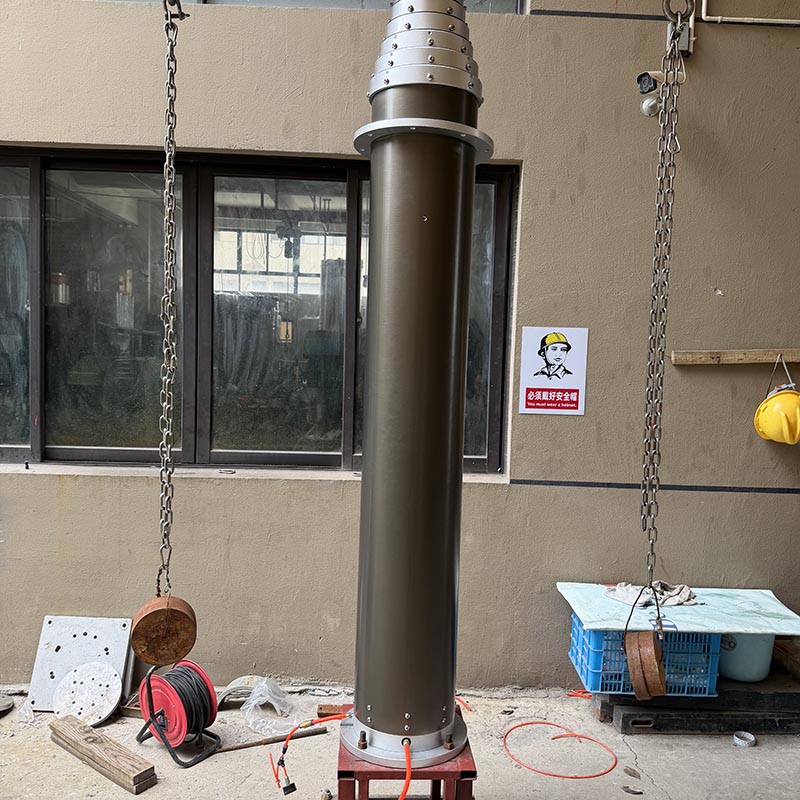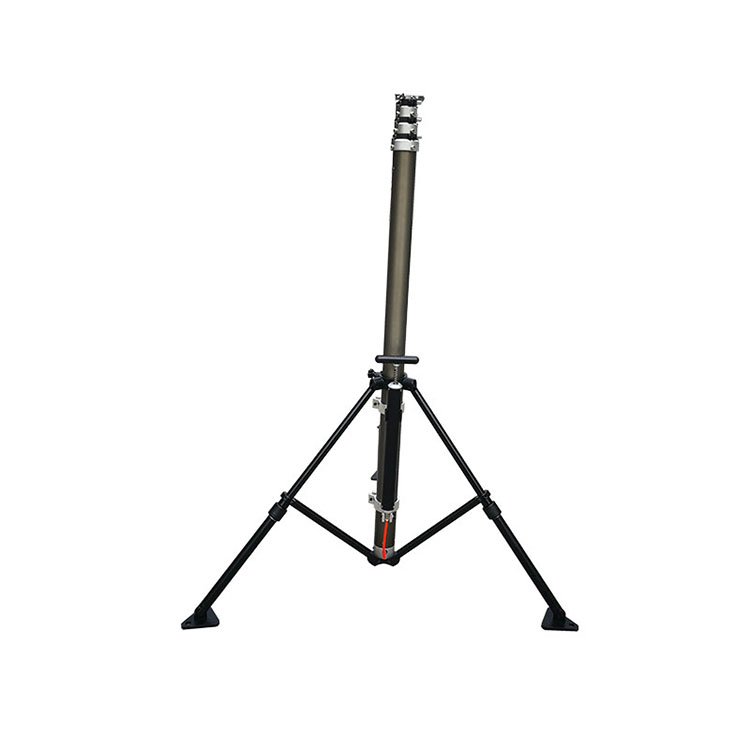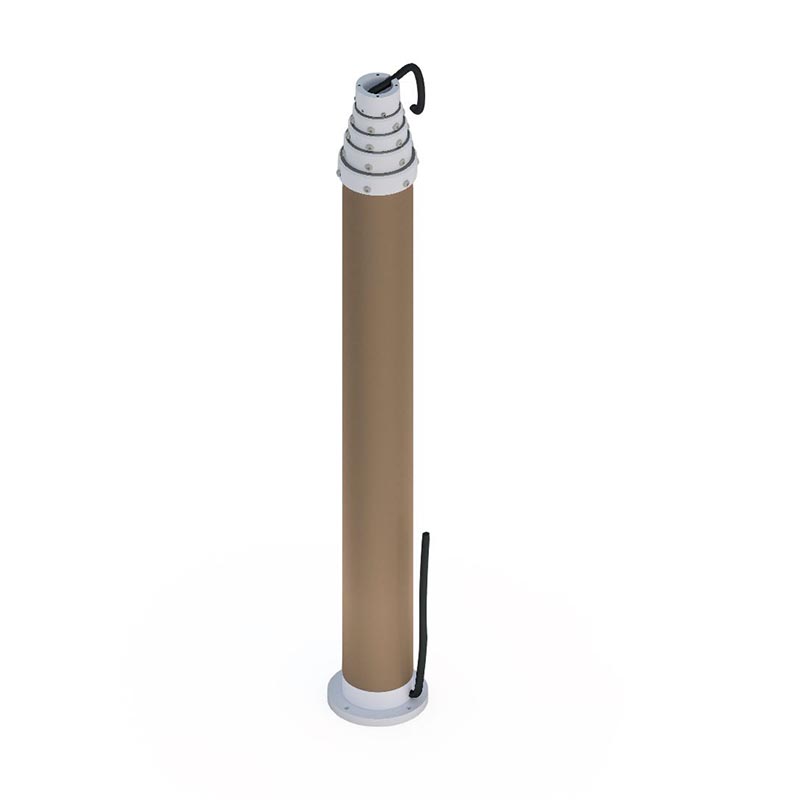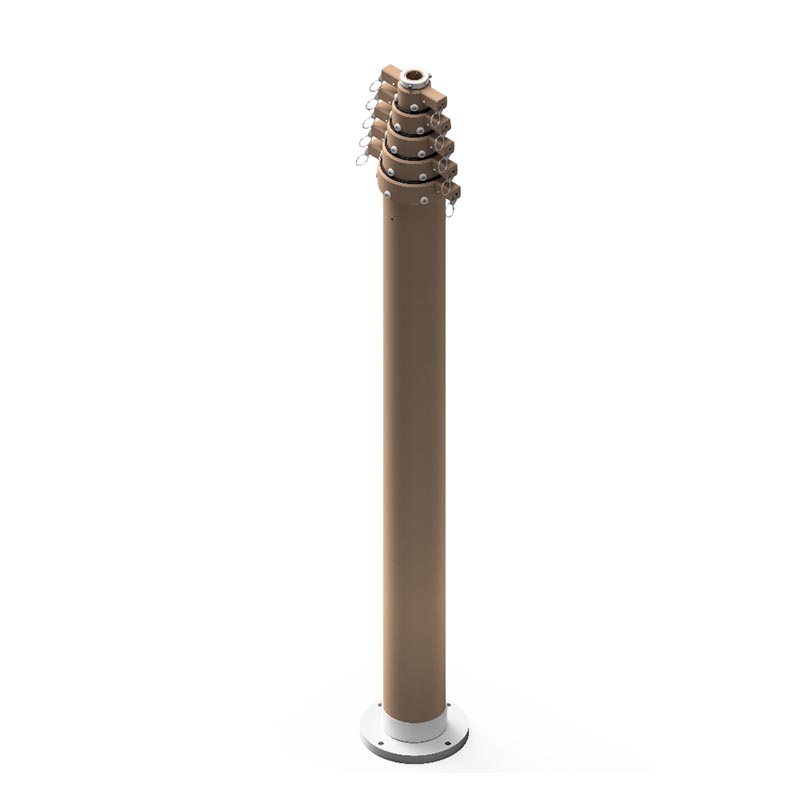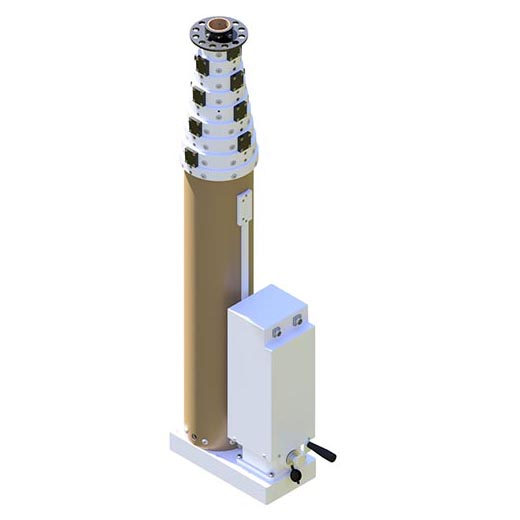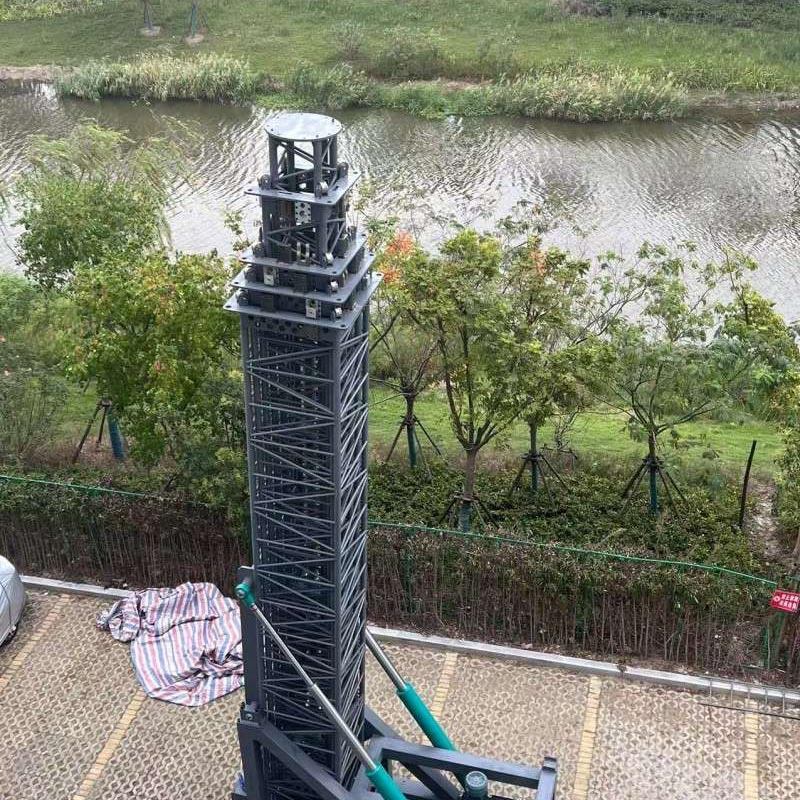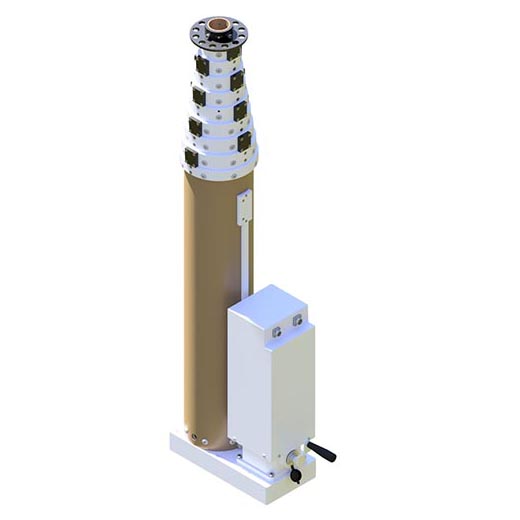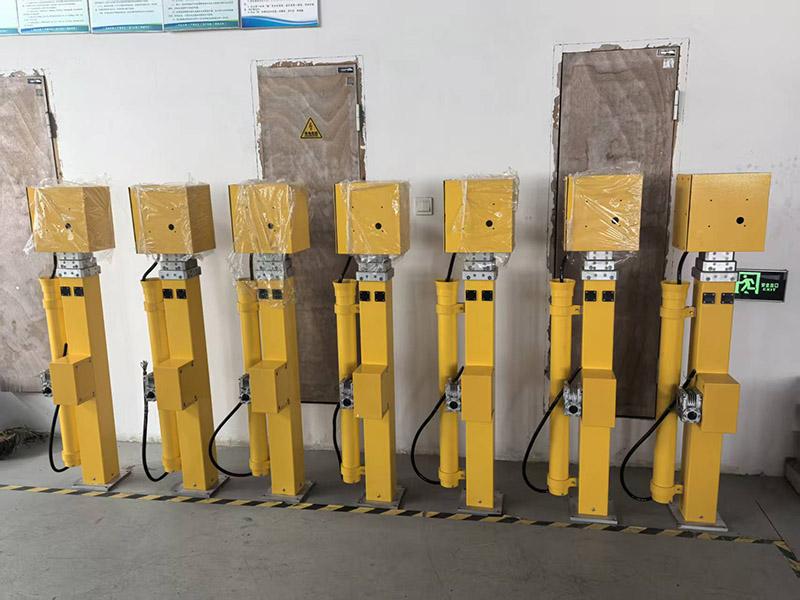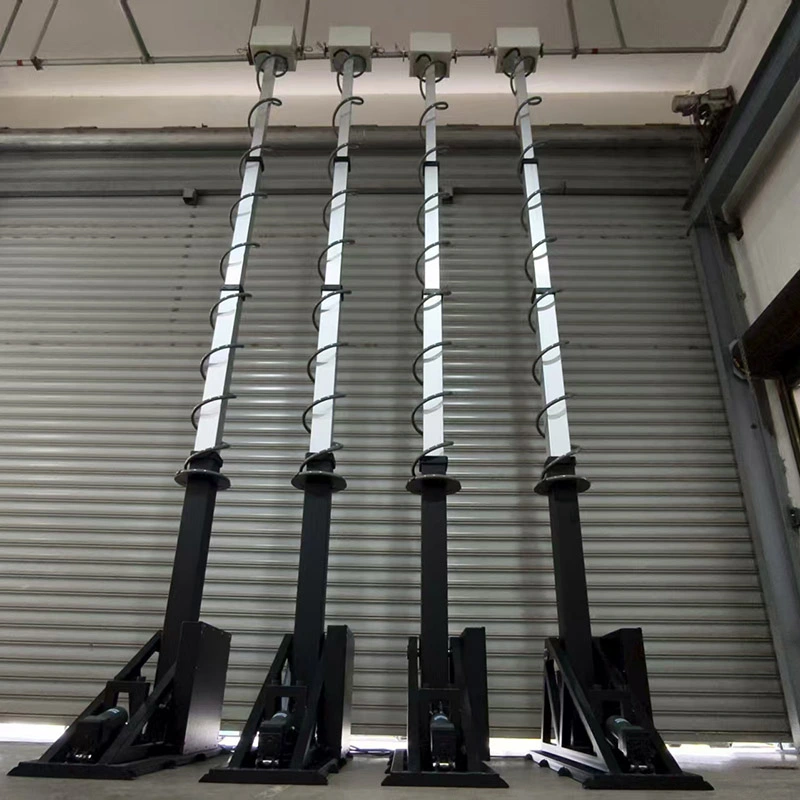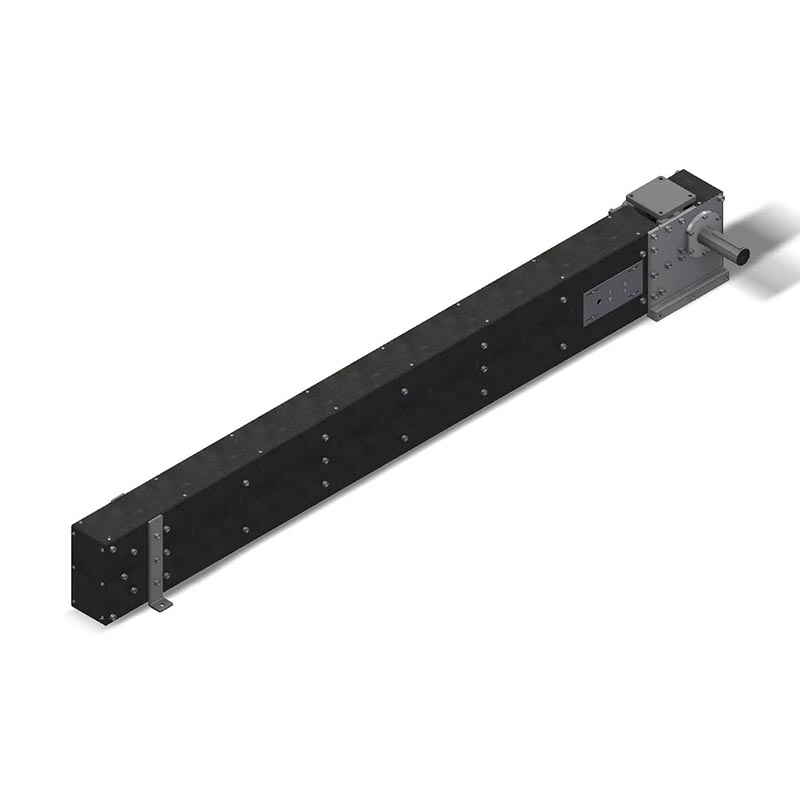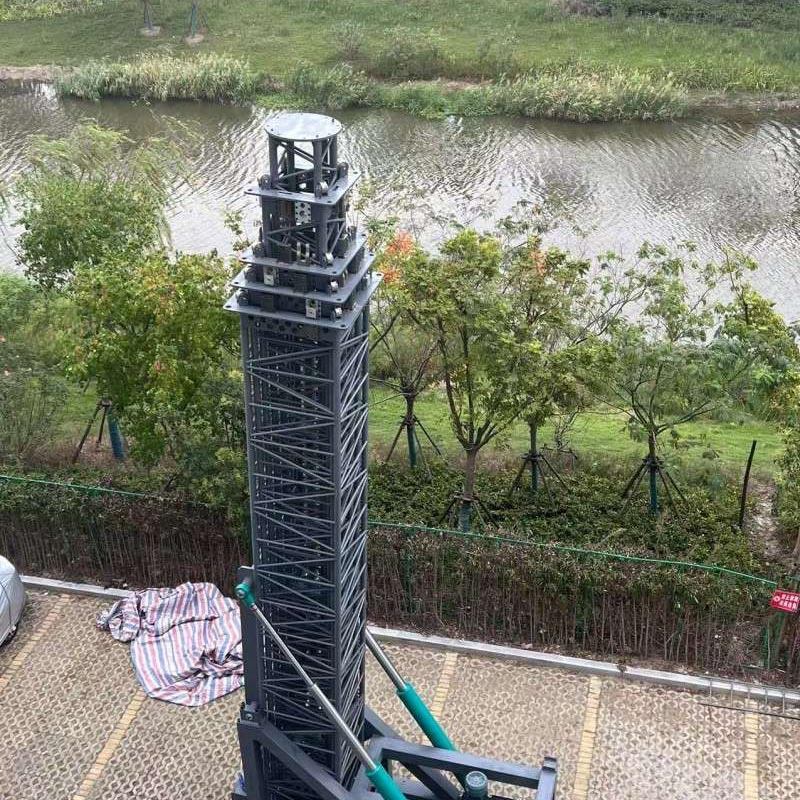

A Pneumatic mast is a telescopic tower that uses compressed air or gas to extend and retract its sections smoothly and safely. Unlike mechanical crank-up or hydraulic systems, mast designs offer rapid deployment, lightweight construction, and exceptional reliability in harsh field conditions. These systems are widely adopted in military communication, emergency response, mobile surveillance, broadcasting, and industrial sensing where quick setup and stable elevated platforms are essential.
Homall has engineered a range of masts that combine high-strength aluminum alloys, precision-machined locking collars, and advanced sealing technologies. The result is a product line that delivers consistent performance in wind, dust, moisture, and extreme temperatures. Every Homall mast undergoes strict load testing and leak-down verification before shipment, ensuring that each unit can sustain its rated payload at full extension for extended periods without gradual descent.
This series includes products such as Elevated Fire Attack System Aquamas, Hand Pump Pneumatic Lightweight Mast, and others.
The operating principle of a mast relies on pressurizing the internal chamber formed by nested tube sections. As air or nitrogen is introduced at the base, the smallest diameter section extends first, followed sequentially by the larger sections. This controlled extension prevents sudden movements and allows the operator to stop at any intermediate height. A series of high-durability O-rings and wear bands between the tubes guide the movement while maintaining an airtight seal. When the mast is fully extended, mechanical locks engage automatically to hold the payload securely even if air pressure is lost.
Homall masts incorporate several proprietary enhancements. The inner bore of each tube is honed to a mirror finish, which minimizes seal wear and reduces friction. The locking collars are machined from stainless steel billet and coated with a dry-film lubricant for corrosion resistance. Additionally, all external surfaces receive a hard anodized treatment that withstands salt spray and UV exposure, meeting MIL-STD-810 requirements for outdoor equipment.
Choosing the correct pneumatic mast requires evaluating the payload weight, desired height, available space for the retracted mast, and the environmental conditions. Start by listing the total weight of all equipment that will be mounted on the top plate, including brackets and cables. Add a 20% safety margin. Then determine the minimum eye height needed for line-of-sight or sensor coverage. Compare these figures against the Homall specification table to narrow down the models. If you anticipate future payload upgrades, select a mast with a higher maximum payload rating to avoid replacing the system later.
Homall application engineers are available to perform detailed load calculations and provide wind stability analyses for custom installations. They can also recommend the appropriate air compressor size, filtration equipment, and optional accessories such as remote pressure monitoring sensors and automated retraction triggers for unmanned sites.