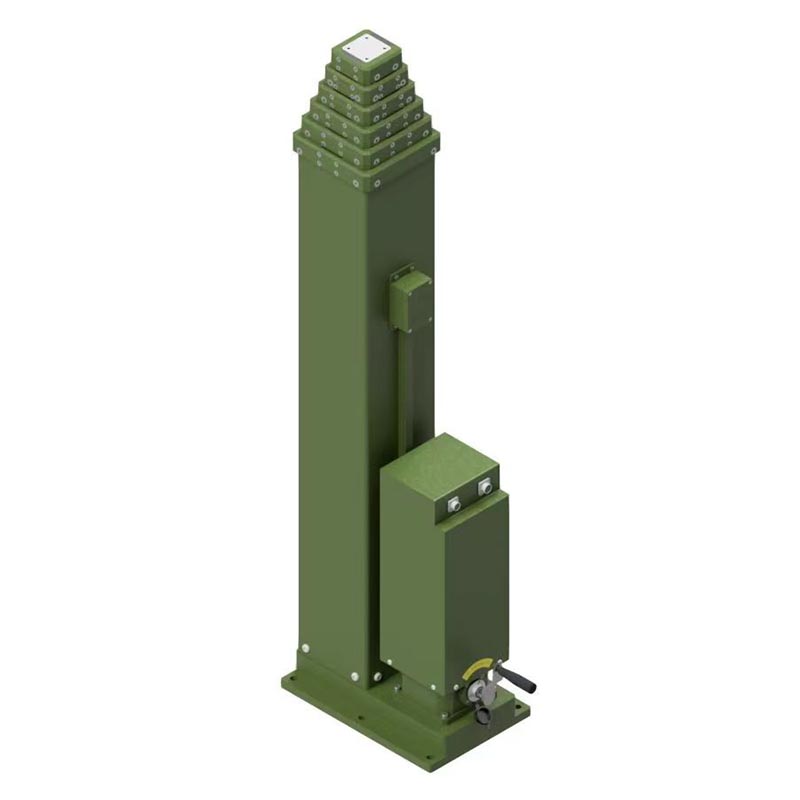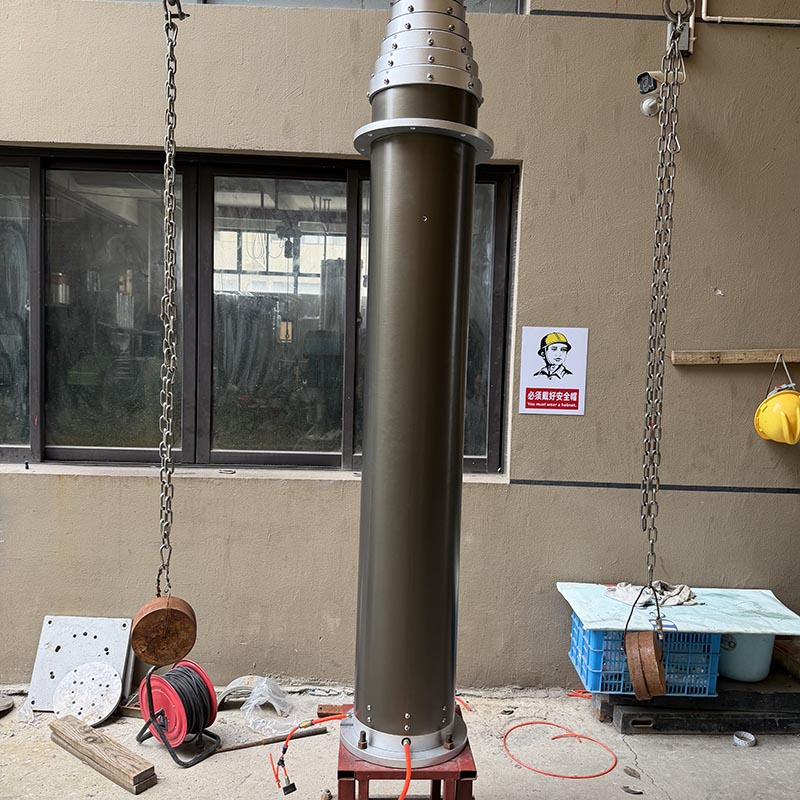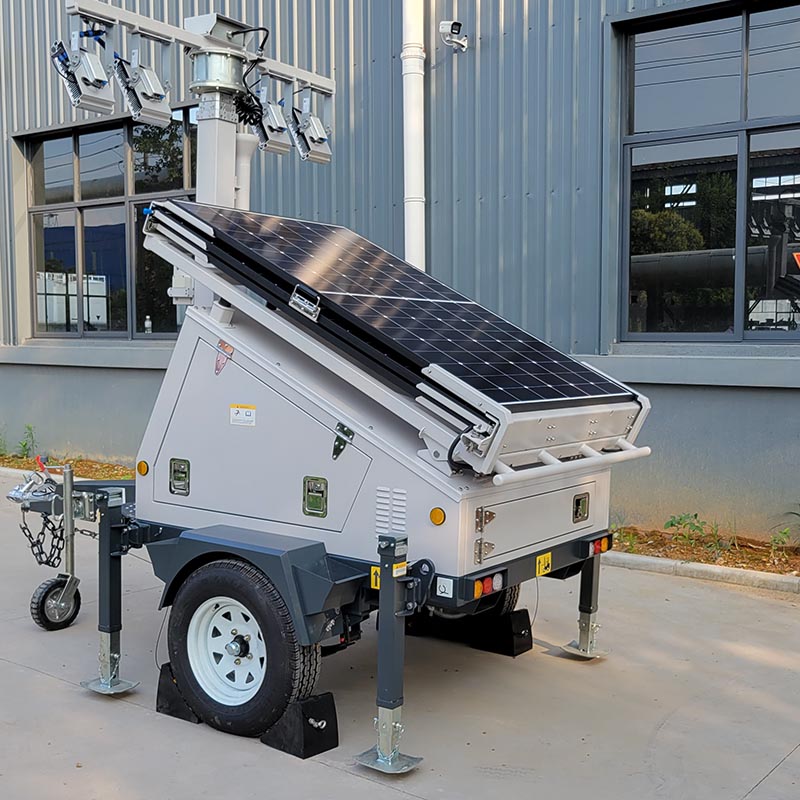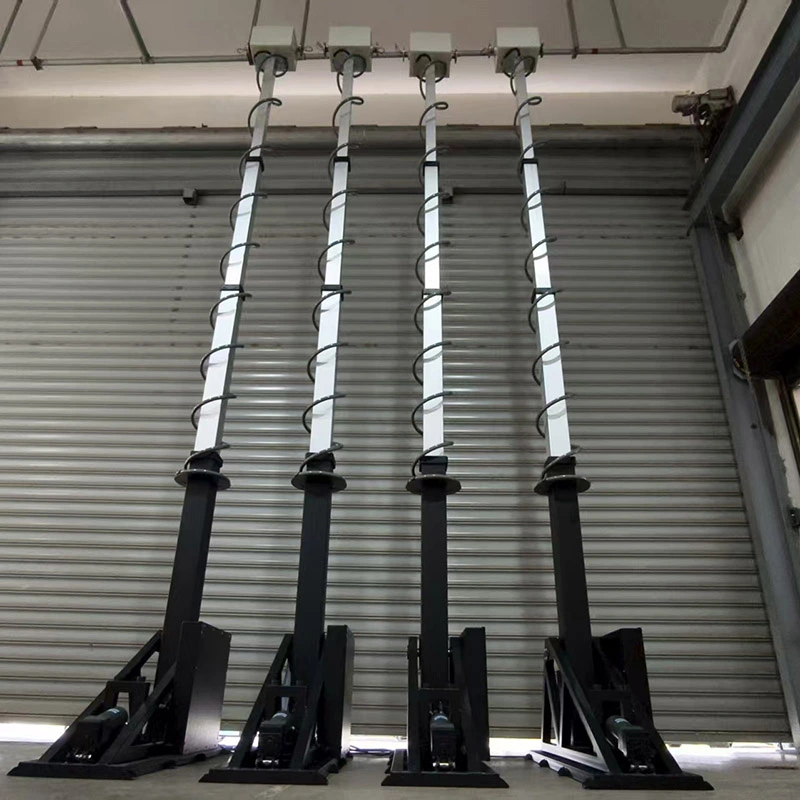

Firefighting in densely populated cities, industrial facilities, and restricted-access environments requires equipment that combines mobility, elevated reach, and effective water delivery. An Elevated Fire Attack System Aquamast addresses these challenges through a specialized pneumatic telescopic tower with an integrated internal waterway. By delivering water or firefighting foam to an elevated position, this system provides an alternative approach to conventional ground-level fire attack, particularly where large fire appliances face access limitations. This article explores its operating principles, major components, practical applications, purchasing considerations, and operational safety requirements to help fire departments, industrial operators, and specialist vehicle manufacturers make informed decisions.
1. Why Are Conventional Firefighting Methods Not Always Enough?
Fire emergencies rarely occur under ideal operating conditions. Although conventional fire engines and ground-mounted water monitors remain essential firefighting equipment, certain environments create challenges that traditional approaches cannot easily overcome.
Consider a fire in a narrow urban alley. Buildings may stand close together, parked vehicles can obstruct access, and overhead structures may restrict the movement of large emergency vehicles. A conventional fire truck may struggle to reach an effective operating position.
Industrial environments introduce different difficulties. Refineries, chemical processing plants, warehouses, and storage facilities often contain elevated structures, extensive pipe networks, and potentially hazardous materials. Firefighters may need to deliver water or foam to specific elevated areas while maintaining an appropriate safety distance.
Remote locations create another challenge. Forest roads, rural settlements, and temporary industrial sites may not provide sufficient space for conventional heavy firefighting appliances.
- Restricted access for large fire trucks and emergency vehicles.
- Difficulty reaching elevated fire locations from ground level.
- Limited maneuvering space in congested urban environments.
- Exposure risks when personnel must approach hazardous structures.
- Demand for flexible firefighting equipment that can be installed on specialized mobile platforms.
These challenges have increased interest in compact elevated fire attack solutions that combine telescopic lifting structures with specialized water-delivery equipment.
2. What Is an Elevated Fire Attack System Aquamast?
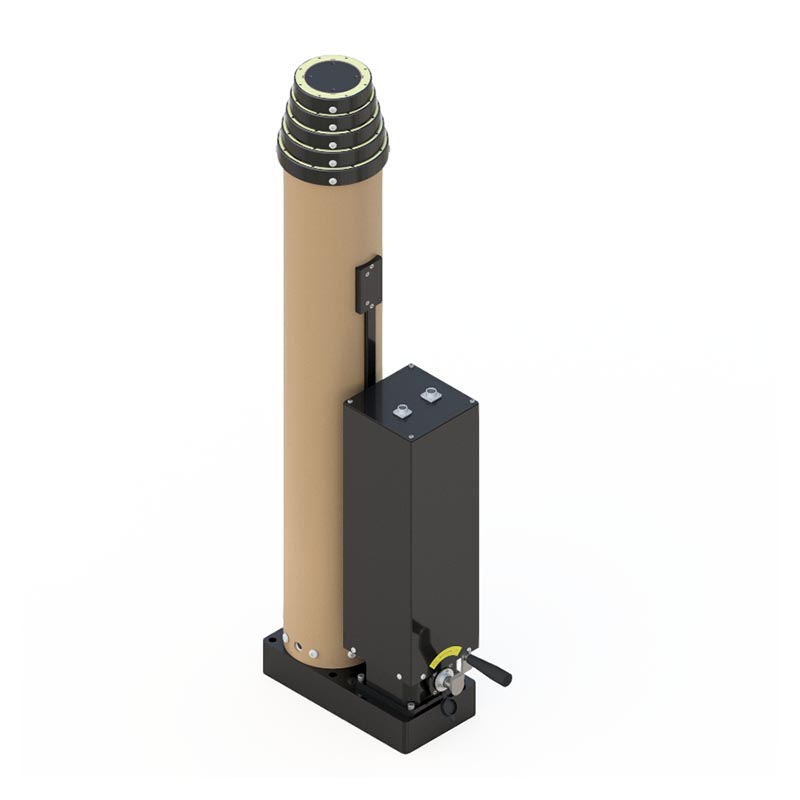
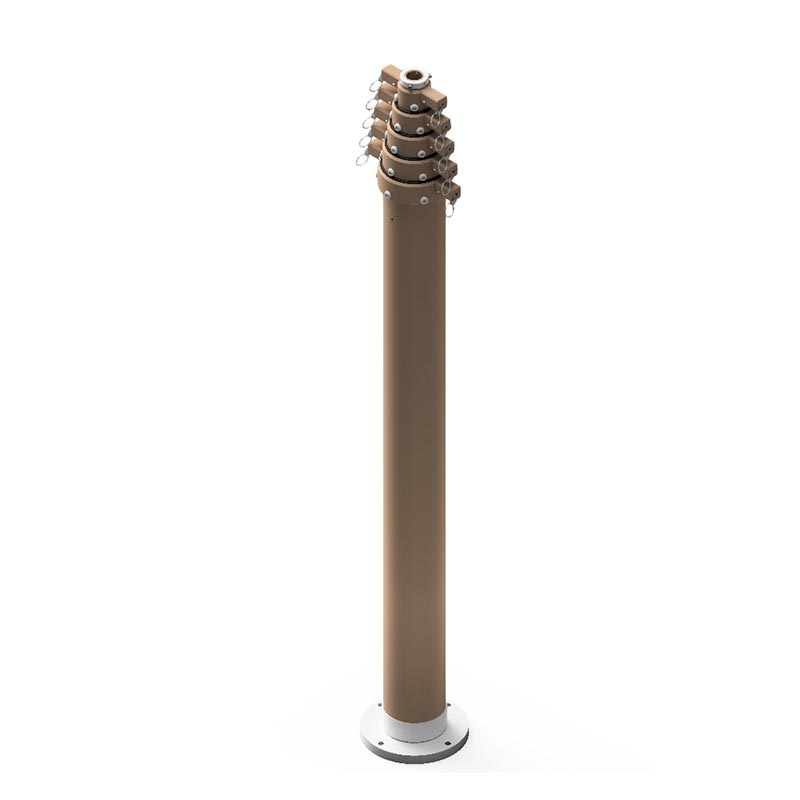
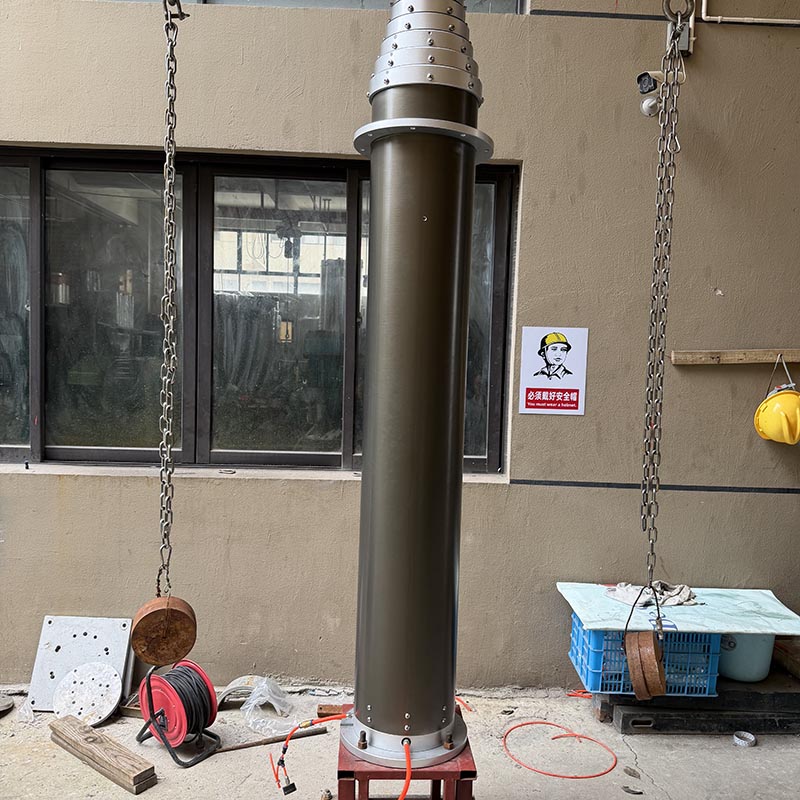
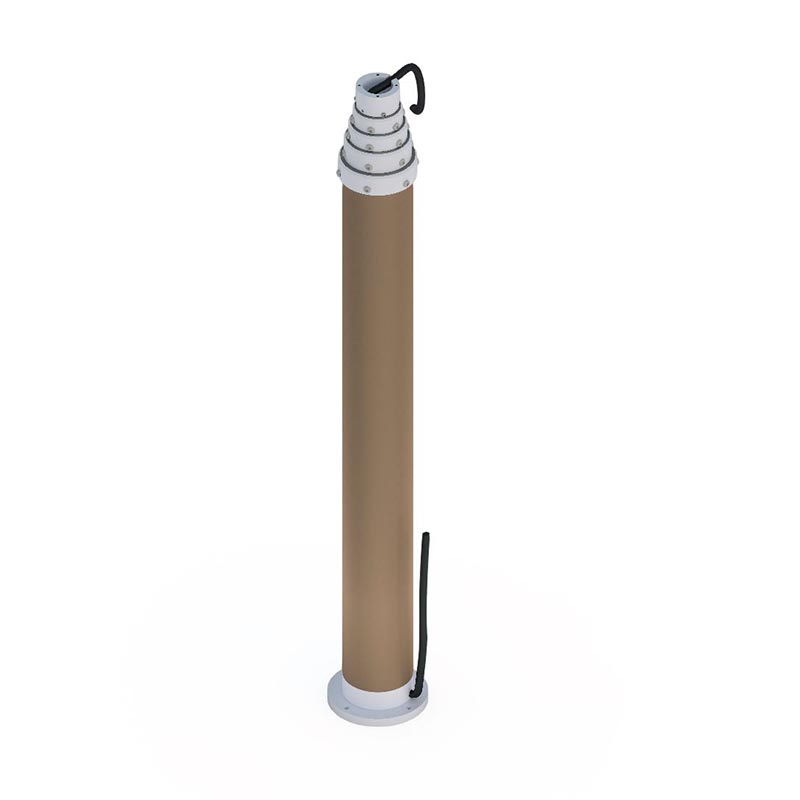
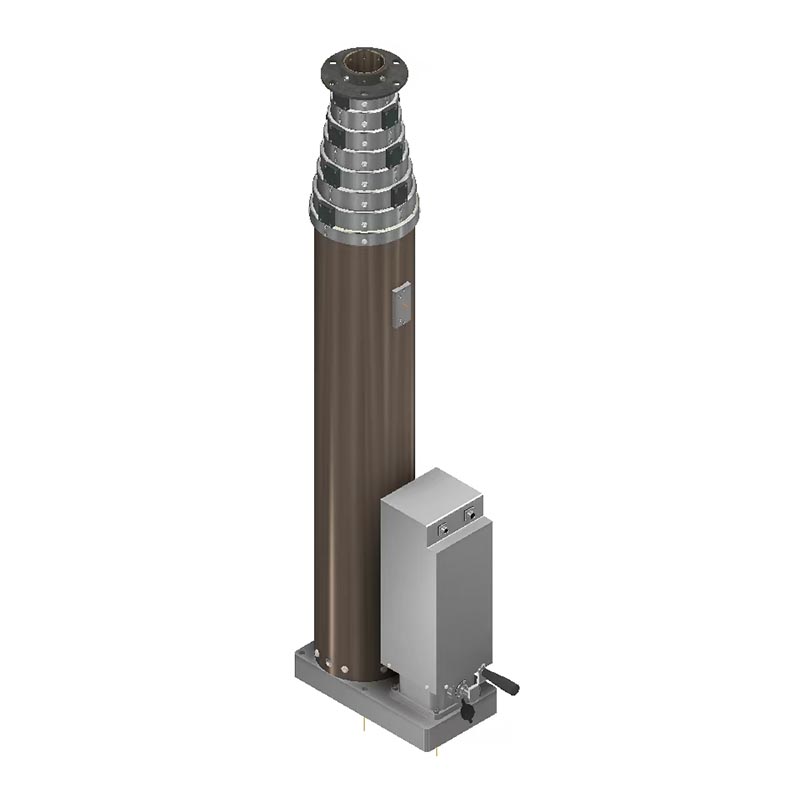
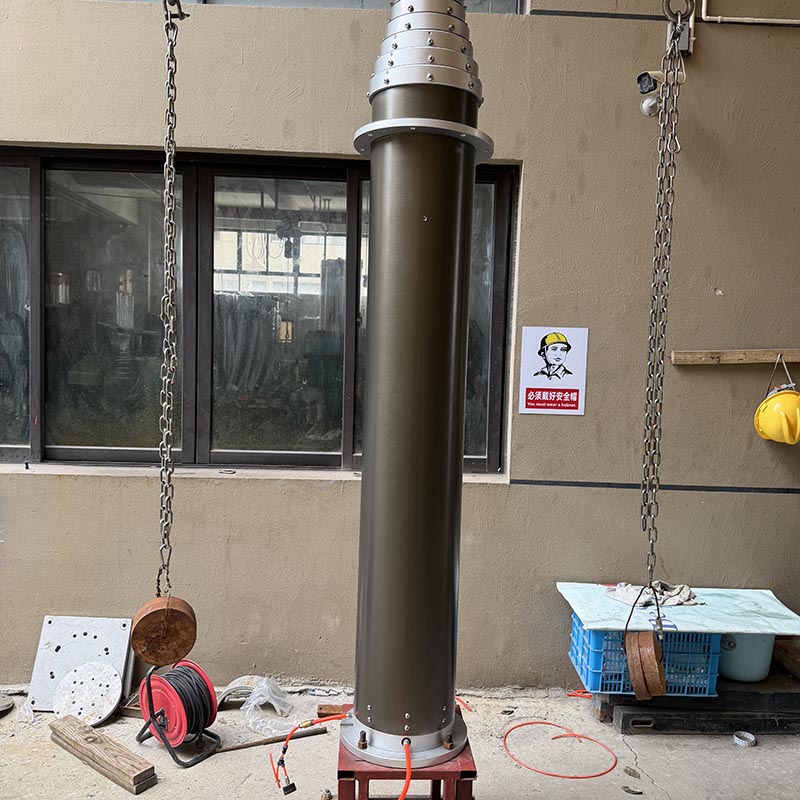
An Elevated Fire Attack System Aquamast is a specialized firefighting solution built around a pneumatic telescopic mast incorporating an internal telescopic waterway. Unlike conventional telescopic masts designed primarily to support cameras, antennas, or lighting equipment, this configuration is specifically engineered to transport water or firefighting foam to an elevated discharge point.
The Aquamast system is associated with Fireco and is designed to support firefighting operations where vehicle mobility and elevated water delivery are important.
Its fundamental concept is straightforward: a telescopic structure raises a firefighting monitor or compatible nozzle while an internal waterway carries the firefighting medium through the extended assembly.
Typical Height Configuration
Published Aquamast product information from Fireco US indicates an extended height range of approximately 4.0 to 13 meters, with retracted heights varying from approximately 1.4 to 2.4 meters depending on the configuration.
| Technical Parameter | Published Configuration |
|---|---|
| Extension mechanism | Pneumatic telescopic mast |
| Extended height | 4.0–13 meters |
| Retracted height | Approximately 1.4–2.4 meters |
| Water delivery | Integrated internal telescopic waterway |
| Firefighting medium | Water or compatible firefighting foam |
| Installation platforms | Suitable small trailers, pickup trucks, and specialized vehicles, subject to engineering requirements |
Actual specifications depend on the selected model and system configuration. Buyers should obtain the applicable technical documentation before determining whether a particular system meets their operational requirements.
3. How Does the Aquamast Fire Attack System Work?
Understanding the operating principle helps emergency service organizations evaluate whether an elevated firefighting system is suitable for their equipment and response procedures.
Step 1: Positioning the Mobile Platform
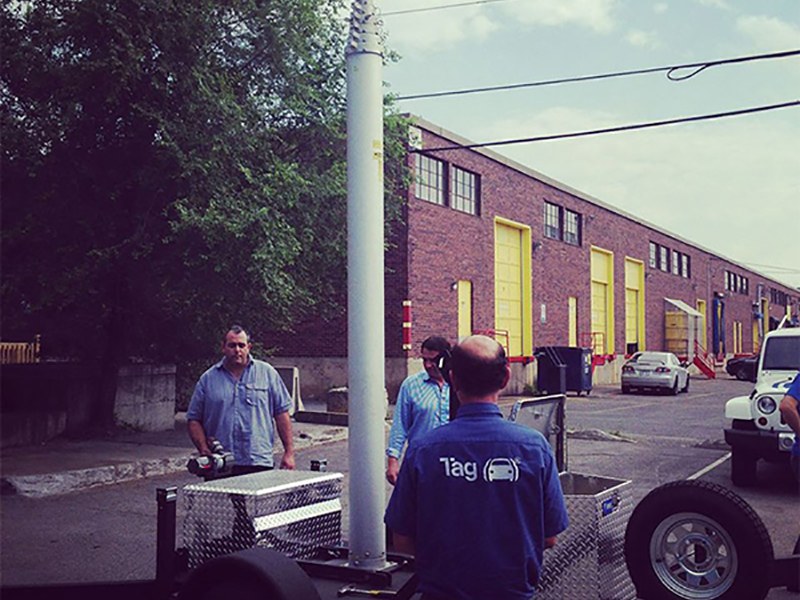
The system is transported on a compatible vehicle or trailer to the designated firefighting location. Depending on the application, this may be a compact emergency vehicle, specialist pickup truck, or purpose-built firefighting platform.
The operator must select a suitable deployment position that provides sufficient ground stability, clearance, and access for emergency personnel.
Step 2: Deploying the Pneumatic Telescopic Mast
The pneumatic lifting mechanism extends the telescopic mast vertically. Its nested sections move outward to achieve the required operating height.
Compared with a permanently elevated structure, a retractable mast allows the equipment to remain relatively compact during transportation and storage.
Step 3: Supplying Water or Foam
The internal telescopic waterway provides a dedicated passage for transporting water or compatible firefighting foam through the mast assembly.
This integrated arrangement helps avoid relying solely on an external hose running alongside the extended structure. The waterway must be designed to accommodate the movement of the telescopic sections while maintaining the required fluid connection.
Step 4: Delivering the Firefighting Medium
A compatible firefighting monitor is installed at the upper mounting interface. Once the required supply and operating conditions have been established, the monitor can direct water or foam toward the target area.
Depending on the selected equipment, remote operation may be available. This allows personnel to control the monitor from a suitable operating position without needing to access the elevated assembly directly.
Step 5: Retraction and Transportation
After the operation, the equipment must be shut down and depressurized according to the manufacturer's instructions. The waterway, mast, and connected accessories should be checked before the structure is retracted and prepared for transportation.
4. What Are the Main Components of the System?
A reliable elevated fire attack solution depends on the compatibility of several mechanical, hydraulic, and control components.
1. Pneumatic Telescopic Mast
The mast provides the vertical lifting structure. Its design determines the available extension height, mechanical stability, transportation dimensions, and compatibility with the intended vehicle.
2. Internal Telescopic Waterway
The waterway is one of the most distinctive features of Aquamast. It allows water or foam to travel through the extending structure toward the upper firefighting equipment.
3. Firefighting Monitor and Nozzle
The monitor directs the firefighting medium toward the fire. Its flow characteristics, operating pressure, movement range, and control method must be compatible with the water supply and the intended application.
4. Pneumatic Supply and Control Equipment
The pneumatic system provides the energy required for mast extension. Appropriate controls and protective arrangements are essential for managing deployment and retraction.
5. Vehicle Mounting and Stabilization Structure
The mounting assembly connects the system to its mobile platform. Vehicle payload capacity, center of gravity, mounting strength, and ground-support conditions all influence the overall stability of the installation.
6. Monitoring and Optional Accessories
Depending on project requirements, additional equipment may include remote control interfaces, cameras, lighting systems, and communication devices. These accessories can improve situational awareness and operational convenience when properly integrated.
5. What Advantages Does an Elevated Fire Attack System Offer?
Improved Access in Restricted Spaces
One of the major benefits of a compact elevated firefighting platform is its potential to reach locations where large fire engines have difficulty operating. Smaller vehicle configurations can be particularly useful in narrow streets, industrial access roads, and selected off-road environments.
Elevated Water Delivery
Traditional ground-level monitors may struggle to reach certain elevated targets because of building height, surrounding obstacles, or unfavorable operating positions.
A telescopic waterway provides an alternative by raising the discharge point closer to the intended target. The actual effective reach depends on monitor performance, water pressure, wind, obstacles, and deployment conditions.
Integrated Equipment Design
Combining the lifting structure and waterway into one assembly can simplify equipment integration compared with solutions requiring separate external lifting and hose arrangements.
Flexible Vehicle Integration
Aquamast configurations can be considered for selected pickup trucks, trailers, firefighting vehicles, and specialized mobile platforms. This flexibility allows emergency organizations to evaluate different vehicle sizes and deployment requirements.
Potential for Remote Operation
Compatible remote-controlled monitors can help operators adjust water direction from a safer and more convenient operating position. Cameras and other monitoring equipment may further improve visibility where direct observation is difficult.
However, these advantages do not eliminate the need for professional fireground assessment, trained personnel, and appropriate emergency response procedures.
6. Where Can Aquamast Systems Be Used?
The combination of elevated water delivery and mobile deployment makes this type of equipment relevant to several specialized firefighting environments.
Urban Firefighting
Dense residential districts and older city centers often contain narrow roads and restricted vehicle access. A compact elevated fire attack platform may help emergency teams reach selected building exteriors and elevated fire locations.
Industrial Facilities and Refineries
Industrial facilities may contain tanks, pipe racks, processing units, and elevated structures. An elevated monitor can provide an additional firefighting approach for suitable scenarios involving these facilities.
Warehouses and Commercial Buildings
Large storage buildings and commercial properties can present difficult access conditions, particularly when surrounding roads are congested. Elevated firefighting equipment may supplement conventional fire engines and fixed fire protection systems.
Forestry and Rural Emergency Response
Some rural roads and forest access routes are unsuitable for large firefighting vehicles. Compact mobile platforms may provide greater flexibility in selected locations, depending on terrain, vehicle capability, and available water supply.
Airports, Ports, and Specialized Infrastructure
Airports, marine terminals, logistics facilities, and other specialized sites require firefighting equipment adapted to their particular hazards and operating procedures. Elevated systems may be considered as part of a broader emergency response arrangement.
7. What Should Buyers Consider Before Purchasing?
Choosing an elevated fire attack system requires more than comparing extension heights or vehicle dimensions. Procurement teams should assess the complete operating environment and the compatibility of all major components.
| Selection Factor | Key Questions | Why It Matters |
|---|---|---|
| Extension height | What target height must be reached? | Determines the required mast configuration. |
| Water flow | What flow rate and pressure does the monitor require? | Ensures compatibility with the supply system. |
| Vehicle compatibility | Can the vehicle support the equipment and operating loads? | Influences structural safety and mobility. |
| Installation space | What are the available mounting dimensions? | Determines installation feasibility. |
| Operating environment | Will the system work in urban, industrial, or outdoor conditions? | Affects material, protection, and deployment requirements. |
| Control configuration | Is local or remote monitor control required? | Influences operating convenience and integration. |
| Maintenance support | Are spare parts, inspection procedures, and technical support available? | Supports long-term equipment availability. |
Evaluate Water Supply Requirements
Water supply is a particularly important purchasing consideration. The pump, pipeline, telescopic waterway, and monitor must work within compatible pressure and flow conditions.
Buyers should request verified hydraulic performance data rather than assuming that a greater extension height automatically means higher firefighting performance.
Check Structural and Vehicle Compatibility
The fully integrated system affects vehicle weight distribution and operating stability. Buyers should consider the mast's structural loads, mounting arrangements, vehicle payload, ground conditions, and stabilization requirements.
Request Complete Technical Documentation
Before purchasing, request engineering drawings, installation requirements, operating instructions, maintenance schedules, applicable test records, and relevant compliance documentation.
For customized projects, early communication between the firefighting equipment supplier, vehicle manufacturer, and system integrator can reduce design conflicts and unnecessary modifications.
8. How Can Operators Maintain Safe Firefighting Operations?
Firefighting equipment must perform reliably under demanding conditions. However, elevated deployment introduces additional structural, hydraulic, and environmental considerations.
Assess Ground Conditions
Before deployment, operators should evaluate ground strength, slope, surface conditions, nearby structures, and potential vehicle movement. Stabilization arrangements must follow the equipment manufacturer's specifications and the vehicle's approved operating limits.
Monitor Weather Conditions
Wind can affect the stability of elevated structures and the direction of discharged water. Severe weather, lightning, and other environmental hazards should be considered before and during operation.
Observe Pressure and Flow Limits
Excessive hydraulic pressure or operation outside approved system parameters may damage components or create dangerous conditions. All water supply settings must remain within the manufacturer's specified limits.
Maintain an Appropriate Safety Perimeter
Operators should keep unauthorized personnel away from the deployment area and consider overhead electrical lines, falling debris, unstable structures, and other hazards.
Provide Professional Training
Personnel should understand the mast's extension controls, water supply arrangements, monitor operation, emergency shutdown procedures, and retraction requirements.
- Never exceed the approved extension or load limits.
- Do not operate on unsuitable ground conditions.
- Inspect hydraulic and pneumatic connections before deployment.
- Follow manufacturer-approved operating and emergency procedures.
- Coordinate elevated firefighting operations with the incident commander.
9. How Should an Elevated Fire Attack System Be Maintained?
Regular inspection helps identify wear, leakage, corrosion, and mechanical problems before they affect emergency response readiness.
Before Each Operation
- Inspect telescopic sections for visible damage, deformation, or contamination.
- Check waterway connections and accessible seals for leakage.
- Verify that pneumatic supply connections are in suitable condition.
- Inspect the monitor, mounting interface, and control equipment.
- Confirm that vehicle mounting and stabilization components are secure.
Periodic Maintenance
Scheduled maintenance should follow the manufacturer's service intervals and technical recommendations. Depending on the configuration, this may include checking moving interfaces, pneumatic components, waterway seals, electrical connections, and structural fasteners.
After Firefighting Operations
Equipment exposed to smoke, chemicals, contaminated water, or firefighting foam may require additional cleaning and inspection. Components should be cleaned using approved methods, and any identified defects should be addressed before the next deployment.
Accurate maintenance records also help fleet managers monitor equipment condition, identify recurring problems, and plan replacement parts procurement.
10. What Is the Future of Elevated Firefighting Equipment?
Emergency response requirements continue to evolve as cities become denser, industrial facilities become more complex, and specialized rescue operations demand greater flexibility.
Several technology developments are likely to influence the next generation of elevated firefighting equipment.
More Intelligent Control Systems
Improved control interfaces, monitoring sensors, and remote operation technologies can help operators manage equipment more effectively. Integration with cameras and real-time visual monitoring may also improve situational awareness.
Advanced Structural Materials
Developments in metal processing, structural engineering, and material protection may create opportunities for more efficient mast designs that balance weight, strength, and durability.
Greater Vehicle Integration
Specialized vehicle manufacturers increasingly require equipment that fits specific chassis dimensions, weight limits, and operational layouts. Modular designs and customized mounting solutions can help address these requirements.
Integrated Emergency Response Platforms
Future firefighting vehicles may combine elevated monitors, lighting equipment, communication systems, cameras, and other emergency response technologies into coordinated mobile platforms.
For manufacturers and system integrators, the challenge is to ensure that every component works together as a reliable and properly tested system.
11. How Does Homall Industry Limited Support Specialized Mast Applications?
Developing specialized emergency response equipment requires more than selecting a lifting mechanism. Structural design, manufacturing consistency, installation compatibility, and application-specific engineering all influence the final equipment configuration.
Homall Industry Limited, operating under the ROBOMAST brand, is a professional manufacturer specializing in telescopic mast systems, mobile light towers, telescopic lattice towers, and leveling jacks.
With approximately 20 years of research, development, and manufacturing experience, Homall operates an approximately 4,000-square-meter production facility in Wenzhou, China, supported by a professional team and integrated manufacturing capabilities.
Manufacturing Experience in Telescopic Mast Technology
Homall's product portfolio includes electric telescopic masts, pneumatic telescopic masts, and other specialized mast configurations. These products serve applications involving emergency rescue, specialty vehicles, broadcasting, military equipment, surveillance, and industrial inspection.
Different applications require different structural dimensions, lifting mechanisms, payload capacities, and mounting arrangements. Homall works with customers to understand these requirements and evaluate suitable manufacturing configurations.
Integrated Production Capabilities
The company's manufacturing processes cover structural development, precision metal processing, surface finishing, assembly, and product testing. These capabilities support communication between engineering requirements and actual production processes.
OEM and ODM Cooperation
For equipment manufacturers, distributors, and engineering contractors, customized manufacturing can be an important part of project development.
Homall supports OEM and ODM discussions for suitable telescopic mast and specialized equipment projects. Customers can provide preliminary drawings, installation dimensions, operating conditions, and application requirements for technical evaluation.
For projects involving elevated firefighting equipment, buyers should clearly define whether they require a complete integrated firefighting system, a pneumatic lifting structure, or a customized telescopic mast component. Waterway engineering, firefighting monitor integration, hydraulic performance, and relevant safety approvals must be evaluated as separate technical requirements.
By focusing on manufacturing experience, structural engineering, and practical customer communication, Homall aims to support global B2B buyers seeking dependable specialized mast solutions.
12. Frequently Asked Questions
Q1: What is the main purpose of an Elevated Fire Attack System Aquamast?
The system is designed to raise a firefighting monitor to an elevated position and deliver water or compatible firefighting foam through an internal telescopic waterway. It is particularly relevant to selected urban, industrial, and restricted-access firefighting scenarios.
Q2: How high can an Aquamast system extend?
Published Fireco US product information indicates an extended height range of approximately 4 to 13 meters. The available height depends on the selected configuration.
Q3: How does Aquamast deliver water to an elevated position?
It uses an internal telescopic waterway integrated into the pneumatic mast assembly. Water or compatible foam travels through this passage to the firefighting monitor mounted at the top.
Q4: Can Aquamast be installed on a pickup truck?
Yes, compatible configurations can be mounted on selected pickup trucks, trailers, and specialized firefighting vehicles. However, the installation must meet vehicle payload, structural, mounting, and stability requirements.
Q5: Can an Aquamast system be used in industrial firefighting?
It may be suitable for selected industrial applications, including facilities with elevated structures and restricted access. Final suitability depends on the specific fire hazards, required water flow, installation arrangement, and site operating conditions.
Q6: Does the system support remote control?
Remote-controlled firefighting monitors are available as compatible configurations. Buyers should confirm the available control options and equipment integration requirements with the relevant system supplier.
Q7: What is the difference between a pneumatic mast and an ordinary telescopic mast?
A pneumatic mast uses compressed air to extend its telescopic sections. Ordinary telescopic mast systems may use pneumatic, electric, mechanical, or other lifting mechanisms. The appropriate design depends on the required payload, operating environment, extension height, and control requirements.
Q8: What should buyers check before ordering an elevated fire attack system?
Important considerations include extension height, water flow and pressure, monitor compatibility, vehicle mounting, structural stability, environmental conditions, operating controls, safety documentation, and after-sales support.
Q9: Does Homall Industry Limited manufacture the Aquamast firefighting system?
Aquamast is a Fireco product. Homall Industry Limited operates under the ROBOMAST brand and specializes in telescopic mast systems and related industrial equipment. Buyers interested in specialized mast manufacturing or OEM/ODM cooperation can contact Homall to discuss their project requirements.
Q10: Can Homall provide customized telescopic mast solutions for emergency vehicles?
Homall supports customized OEM/ODM discussions for suitable telescopic mast applications. Customers can provide vehicle dimensions, required extension height, payload information, operating conditions, and preliminary drawings for technical evaluation. Complete firefighting system integration requires additional engineering assessment.
Looking for Reliable Telescopic Mast Solutions?
Choosing the right elevated equipment requires a clear understanding of structural requirements, vehicle compatibility, operating conditions, and long-term reliability.
Homall Industry Limited combines years of manufacturing experience with integrated production capabilities to support specialized telescopic mast, mobile light tower, and industrial equipment projects.
Whether you are an equipment manufacturer, distributor, engineering contractor, or system integrator, our team welcomes opportunities to discuss your technical requirements and customized manufacturing needs.
Contact us today to explore suitable telescopic mast solutions and discuss your next specialized equipment project with Homall Industry Limited.